
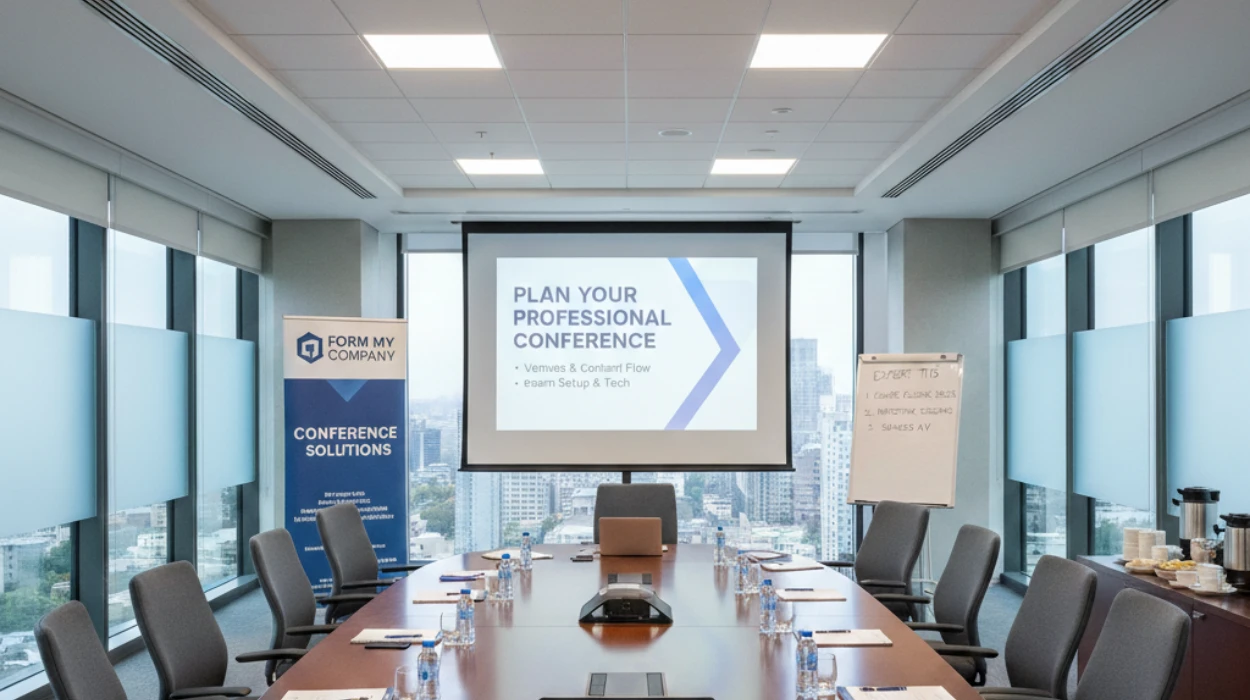
Successful conference planning starts with clear objectives and the right environment. Before diving into the details, focus on defining your event’s purpose and securing a professional conference room that supports your goals.
Organizing your first business conference can feel daunting, especially when balancing logistics, budgeting, and attendee experience. Whether you’re hosting clients, partners, or industry specialists, each step you take will shape how your brand is perceived. This guide covers ten essential, actionable strategies to turn your first professional conference into a polished, seamless event designed for impact, connection, and engagement.
Understanding the Purpose of Your Conference
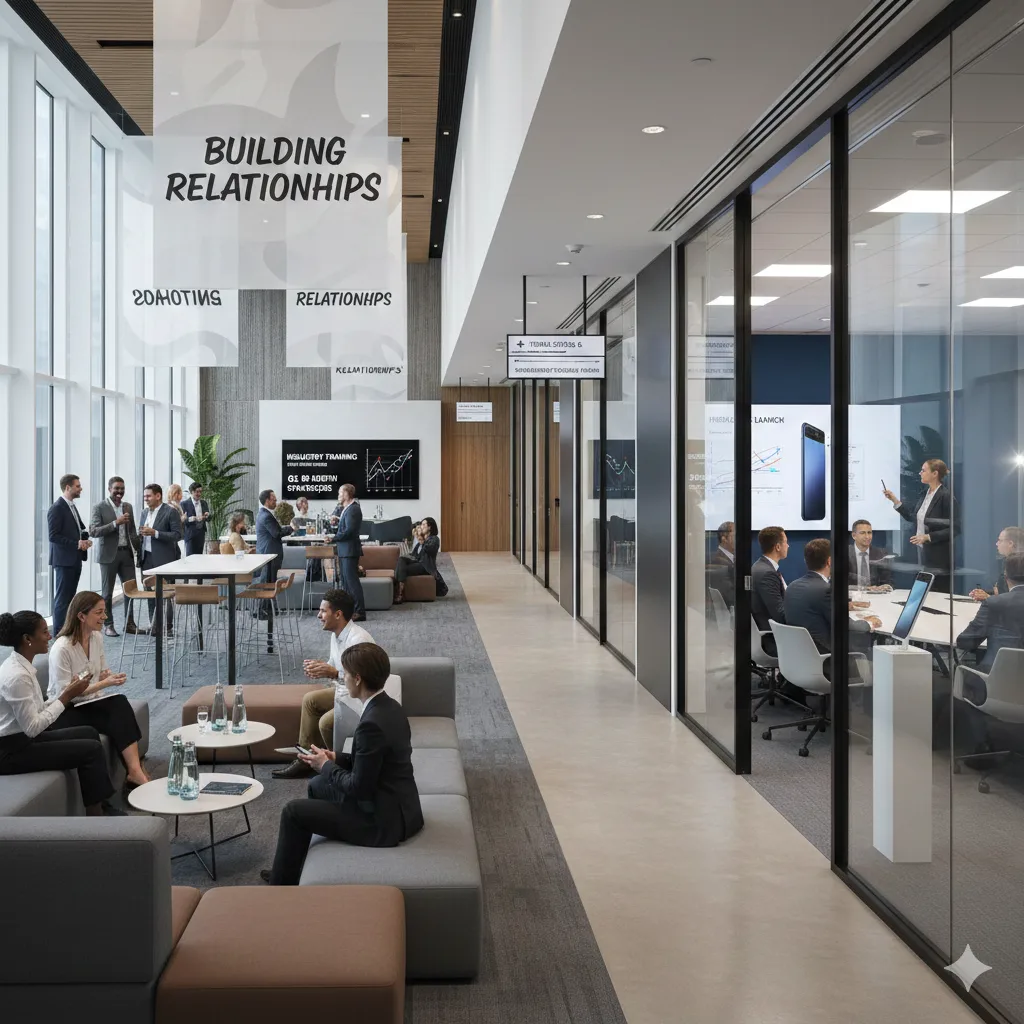
Before booking venues or selecting speakers, define what your conference aims to achieve. Are you launching a product, building client relationships, or providing industry training? Clarity here determines your choice of format, session design, and even which conference room services you’ll need.
For example, a networking-oriented event demands flexible seating and social spaces, while a training session suits smaller rooms with built-in presentation technology. This foundational planning ensures that every decision supports your event’s primary objective.
Setting a Realistic Budget and Timeline
A well-planned budget keeps your project on track financially and logistically. Start by listing core expenses such as venue hire, technology setup, catering, and speaker fees and then allocate 10–15% for contingencies. Timelines are equally crucial: conference planning typically begins at least six months in advance.
Creating a timeline with milestone dates (venue confirmation, marketing launch, registration opening) allows you to track progress and avoid last-minute issues that often plague first-time organizers.
Choosing the Right Venue
Selecting an appropriate venue is central to conference success. The venue’s size, location, and amenities all influence attendee comfort and engagement. Modern conference rooms provide adaptable layouts, audio-visual tools, and on-site support teams that make managing logistics easier.
When comparing options, prioritize:
- Accessibility for national and local guests (transport links, parking, nearby lodging).
- Facilities like Wi-Fi reliability, lighting, and acoustics.
- On-site staff available to handle technical or operational issues.
You can explore the dedicated conference rooms service page for structured, outcome-oriented venue solutions tailored to various business needs.
Assembling Your Planning Team
A well-coordinated team transforms theoretical planning into execution. Assign roles early designate leads for logistics, marketing, speaker coordination, and registration so each member understands their scope and deadlines. Collaboration software and weekly check-ins maintain consistency and transparency across responsibilities.
In small companies, cross-functional staff may handle multiple duties, making communication even more vital. An organized team ensures no detail is overlooked and every department contributes to delivering a unified experience.
Designing a Professional Agenda
Your conference agenda defines flow, engagement, and overall professionalism. Balance keynote sessions with interactive discussions or workshops to sustain energy throughout the day. Including scheduled breaks encourages fruitful networking and prevents information fatigue.
Keep your audience demographics in mind: senior decision-makers prefer concise presentations; creative professionals may respond better to collaborative or dynamic sessions. Each time slot should serve a purpose from informative panels to structured downtime for connection.
Leveraging Technology for Efficiency
Digital tools streamline conference planning and enhance the attendee experience. Event management platforms handle registrations, ticketing, and surveys, while conference apps share agendas and speaker bios in real-time.
Within the venue, ensure the conference room offers integrated AV systems including projectors, microphones, and high-quality livestream capabilities. This minimizes setup time and ensures speakers can focus on delivering value, not managing technical issues.
Hybrid and virtual components have become standard, so choose technology-ready spaces able to support remote participation without compromising quality.
Building a Marketing and Outreach Plan
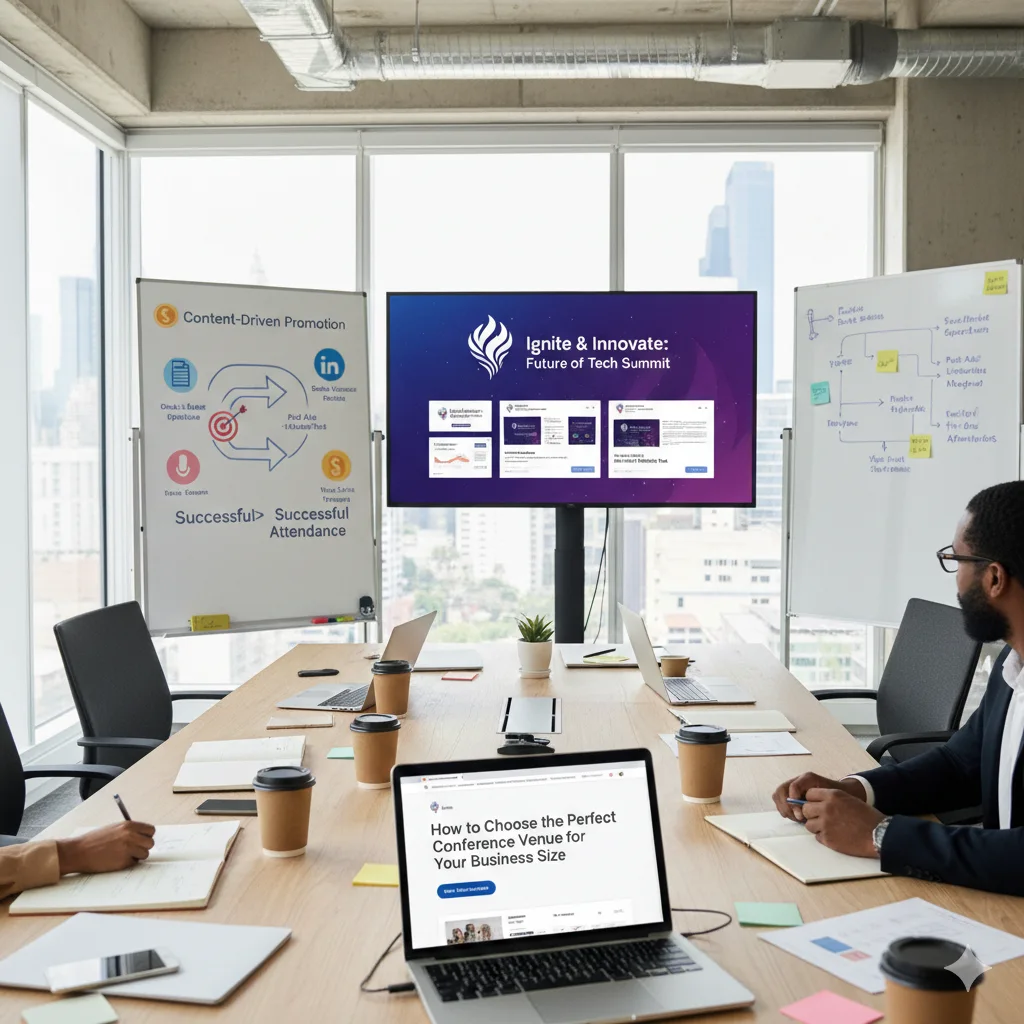
No conference succeeds without attendees. Once your venue and agenda are set, move into promotion. Develop a compelling theme and event identity, then use consistent branding across email campaigns, social media, and professional networks like LinkedIn.
Paid promotions can help reach niche markets, but content-driven promotion blog previews, speaker interviews, short video announcements builds lasting credibility. For deeper strategic insights on aligning your venue choice with business scale and audience type, refer to the related article, How to Choose the Perfect Conference Venue for Your Business Size
for informational, topic-focused guidance.
Managing Attendee Experience from Start to Finish
From the first registration email to post-event follow-up, the attendee journey defines success. Provide clear communication throughout confirmation messages, agenda updates, and travel details reduce uncertainty.
On the event day, use visible signage and knowledgeable staff to welcome guests and resolve questions quickly. Comfortable, well-organized conference rooms services ensure a professional ambiance, reinforcing your company’s credibility.
Afterward, send thank-you notes and collect feedback. A simple survey not only measures satisfaction but also guides improvements for future events.
Preparing for the Unexpected
Even the best-planned conferences face challenges delayed speakers, technical glitches, or catering changes. Establish contingency plans in advance so your team can respond efficiently rather than react under pressure.
Maintain a list of backup contacts: alternative equipment suppliers, local caterers, emergency printing services. Reviewing your plan through a short “crisis simulation” meeting can reveal oversights and help everyone stay calm when issues arise.
Evaluating Post-Conference Impact
The conference doesn’t end when the last attendee leaves. Measure results against your original objectives were attendance numbers, engagement levels, or lead generation targets achieved? Use analytics from check-ins, surveys, and social engagement to evaluate ROI.
Even qualitative insights (like speaker feedback or observed networking success) provide valuable context. Document lessons learned and improvements for your next event this is how occasional organizers evolve into seasoned conference planners.
Professional Support for Conference Planning
Planning your first professional event takes significant energy, but you don’t need to handle every detail alone. Partnering with established providers like Form My Company gives you access to structured, high-quality facilities, logistical support, and flexible booking options.
FMC’s Conference Rooms service offers scalable professional spaces suitable for small workshops, executive seminars, and large corporate gatherings. Each venue solution includes integrated technology, staff assistance, and customizable layouts ensuring your conference runs seamlessly from start to finish.
If you’re weighing providers across the UK, you can explore why Form My Company stands out as a trusted partner for effective event execution in Why Form My Company Offers the Best Conference Room Hire in the UK, a commercial, decision-focused resource explaining what distinguishes professional-grade conference facilities from generic spaces.
Final Thoughts
Your first professional conference is more than a logistical achievement it’s a statement of your brand’s professionalism and strategic capability. Focused planning, careful budgeting, and choosing the right environment make the difference between a good event and a memorable one.
As you refine your skills, remember that Form My Company’s conference rooms solutions exist to simplify that journey, offering venues that match your business vision while ensuring impeccable professional standards. By following these ten core strategies, your first conference will not only meet expectations it will set a higher standard for every one to follow.
What is a call conference service and how does it work?
A call conference service allows multiple participants to join a single audio meeting through a phone line or online platform. From My Company’s Call Conference solutions make team discussions easier by providing secure dial-in access, clear connections, and simple scheduling for business meetings.
How can businesses benefit from using call conference services?
Businesses use call conference services to connect remote teams, clients, and partners instantly without needing physical meetings. From My Company’s Call Conference platforms help improve communication efficiency and reduce travel costs while maintaining professional collaboration.
Are call conference calls secure for confidential business discussions?
Yes, reliable call conference systems like those from From My Company use encrypted connections and access controls to maintain privacy. Participants receive unique PINs or links, ensuring only authorized individuals can join the conversation.
What is the difference between a call conference and a video conference?
A call conference is audio-only, ideal for quick discussions or when internet access is limited. In contrast, a video conference includes visual communication tools, making it better suited for presentations and interactive meetings. From My Company offers both options to match different business needs.
How do I set up a professional call conference for my team?
To set up a call conference, you typically schedule the meeting, generate participant access codes, and send dial-in details. From My Company’s Call Conference service simplifies this process by automating setup and providing real-time support for smooth, professional communication.