
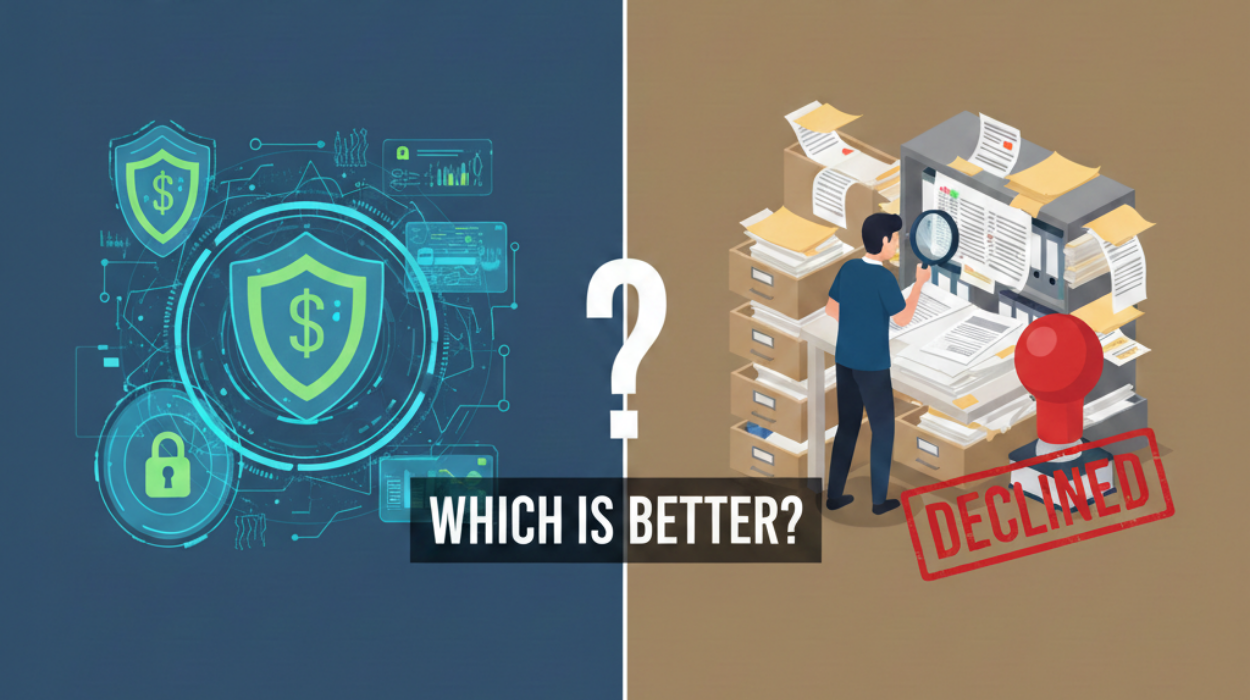
Fraud protection offers faster, more reliable, and scalable security than manual checks, which rely on human oversight and can miss sophisticated scams. In today’s data-driven business world, automated fraud protection systems deliver consistency, accuracy, and compliance advantages that manual methods cannot match.
As digital transactions and remote company registrations increase, choosing between automated fraud protection tools and traditional manual verification has become a crucial operational decision. This article explores how each method works, where each performs best, and why modern businesses increasingly depend on professional fraud protection services such as those provided by Form My Company to maintain secure and compliant operations.
Understanding the Basics: Manual Checks vs Automated Fraud Protection
Before comparing their strengths, it helps to define both approaches clearly.
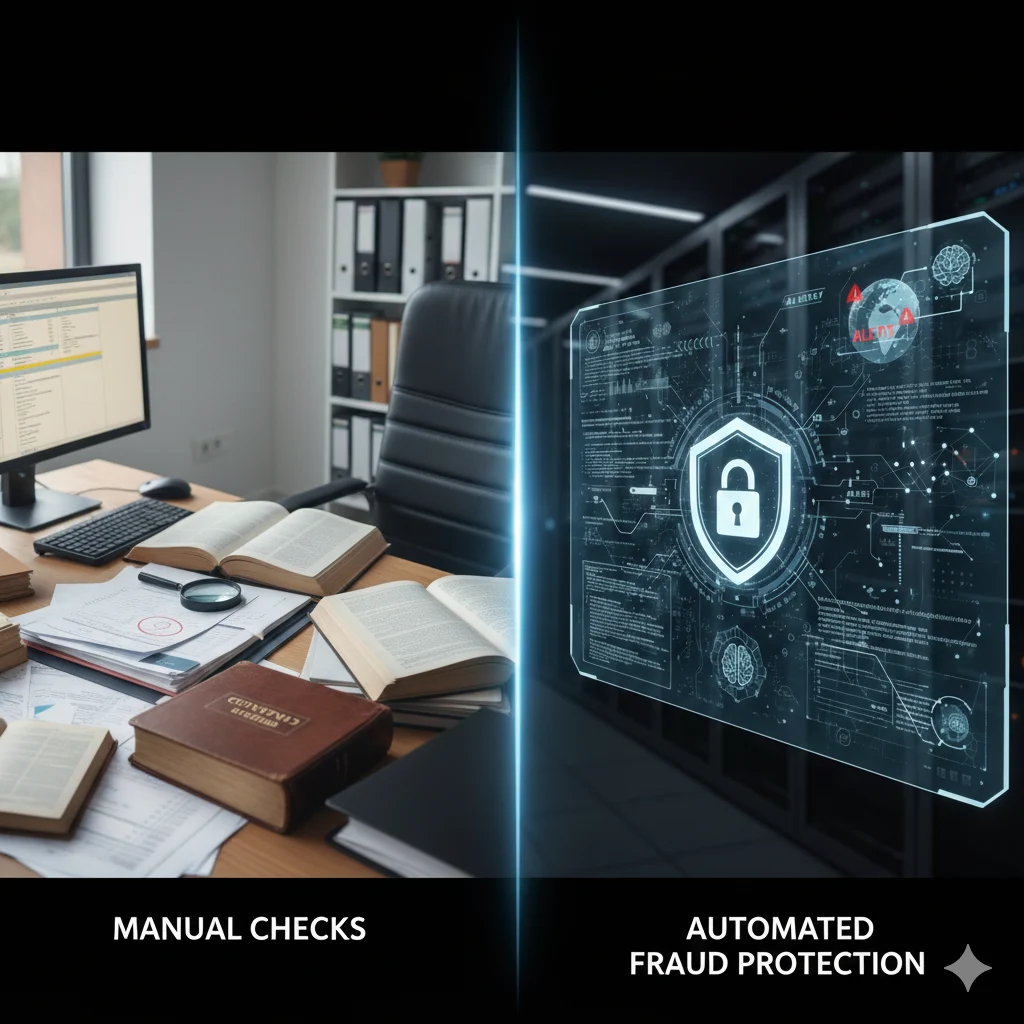
Manual checks involve employees reviewing company documents, verifying identification manually, cross-checking records, and assessing transaction discrepancies by hand. This labour-intensive method often uses experience and intuition but can be prone to human error or have difficulty scaling with transaction volume.
By contrast, fraud protection systems combine automated verification, data analytics, and algorithmic cross-referencing to identify suspicious activity in real time. Through advanced rule sets and artificial intelligence, these systems can flag anomalies that humans may overlook such as subtle data inconsistencies or fraudulent identity patterns replicated across multiple entities.
While both aim to prevent fraud, their process efficiencies and error tolerances differ significantly.
Why Manual Checks Still Matter
Despite technological progress, manual checks still play a valuable role in corporate due diligence. In certain low-volume, high-value scenarios such as executive-level background verifications or multi-jurisdictional legal filings human judgment remains irreplaceable.
Professionals conducting manual reviews can interpret contextual data, evaluate subjective factors (such as tone of correspondence), and spot inconsistencies not yet programmable into automated systems. This interpretive flexibility helps in identifying emerging fraud types or new documentation styles that fall outside algorithmic parameters.
However, the trade-off is speed and consistency. Manual checks rely on staff training quality, concentration levels, and time investment, making them less efficient in high-turnover environments or companies processing large data volumes.
The Rise of Automated Fraud Protection: Efficiency and Accuracy
Automated fraud detection technologies have revolutionized how businesses safeguard their data and transactions. By integrating artificial intelligence (AI), machine learning (ML), and cross-database analytics, modern fraud protection services continuously learn from new fraud patterns, improving accuracy over time.
Systems can verify identity documentation instantly across government and financial databases, detect duplicate records, and monitor real-time behavioral anomalies capabilities impossible for manual teams to sustain at scale. Moreover, automation ensures compliance with regulatory standards such as anti-money laundering (AML) and Know Your Customer (KYC) frameworks, which demand accuracy and audit trails.
For instance, automated verification tools can scan passport metadata, IP addresses, and registration histories simultaneously completing tasks that might take a human team several hours to process. This efficiency directly reduces operating costs while improving fraud prevention reliability.
Comparing Core Differences
When evaluating both methods, some distinct operational contrasts emerge:
- Speed and Throughput: Automated systems process thousands of entries in seconds, while manual checks require minutes per case.
- Consistency: Machine-based verification ensures consistent criteria are applied, while human reviewers vary in interpretation.
- Scalability: Fraud protection solutions scale instantly; manual teams need recruitment and training expansion.
- Error Risk: Manual checks are prone to fatigue-based or oversight errors; fraud systems minimize these through continuous rule validation.
- Regulatory Confidence: Automated systems generate documented audit trails for compliance; manual reviews depend on handwritten or inconsistent records.
These distinctions highlight why automation is now considered the baseline in secure business validation.
The Cost Dimension: Balancing Efficiency Against Investment
One argument often raised in favor of manual checks is cost flexibility. Small businesses may find it cheaper initially to assign internal staff rather than invest in comprehensive fraud protection tools. However, that equation changes with growth.
Fraud costs through reputational damage or operational disruption can outweigh any savings from manual verification. Automated fraud protection minimizes those long-term risks by providing continuous monitoring and early detection, reducing the financial impact of potential breaches.
Furthermore, automation’s efficiency means fewer employee hours spent per verification, freeing resources for strategic tasks instead of repetitive checking. Over time, this optimization delivers measurable return on investment for companies scaling their digital footprint.
Compliance and Corporate Governance Advantages
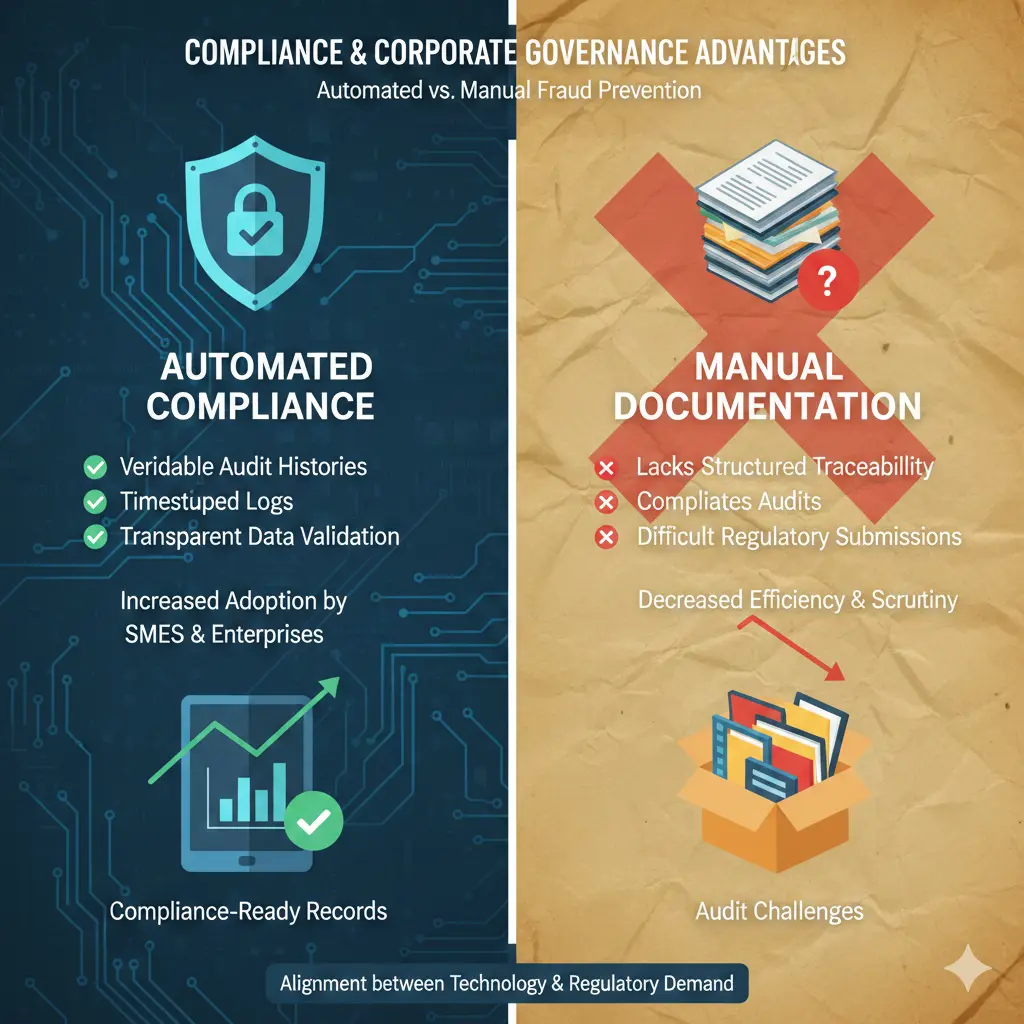
Compliance frameworks such as the UK’s Money Laundering Regulations (MLR) and international standards under FATF increasingly require demonstrable fraud prevention controls. Automated fraud protection systems support these by maintaining verifiable audit histories, timestamped logs, and transparent data validation reports.
In contrast, manual documentation often lacks structured traceability, complicating audits or regulatory submissions. For companies subjected to financial scrutiny or cross-border due diligence, the ability to output compliance-ready records directly from an automated platform becomes not just advantageous—but essential.
This alignment between technology and regulatory demand further explains the growing adoption of automated systems across SMEs and large enterprises alike.
Human Oversight in a Hybrid Model
It’s important to clarify that automation doesn’t eliminate human oversight altogether; instead, it redefines its focus. The most resilient fraud protection strategies blend both automated screening and targeted manual review.
For example, a fraud protection system might process 95% of registrations automatically, flagging only edge cases for manual analyst review. This hybrid model maximizes efficiency while preserving expert judgment for critical exceptions.
Form My Company’s Fraud Protection service applies this principle by combining intelligent automation with professional compliance review—ensuring businesses benefit from both machine speed and human discernment.
This balanced approach addresses the limitations of either system used in isolation, aligning operational speed with governance precision.
Impact on Business Reputation and Trust
Fraud detection is not just about preventing financial loss; it directly influences how clients, partners, and regulators perceive an organization. In an era of data transparency, even a single publicized case of identity misuse or registration fraud can erode stakeholder trust.
Automated fraud protection services mitigate that risk by preventing suspicious incorporations, fake director appointments, or duplicate company filings before they escalate. This proactive layer of protection reassures clients that the company takes compliance seriously, reinforcing brand credibility.
Human-only checks, by contrast, may lack the same monitoring continuity, allowing gaps during busy operational cycles that can lead to overlooked threats.
Integrating Fraud Protection with Other Company Services
Today’s fraud prevention tools interlink seamlessly with wider business systems such as customer onboarding, accounting, and corporate filing platforms. When synchronized correctly, these integrations enable smoother, automated verification without administrative bottlenecks.
For example, within Form My Company’s Fraud Protection Service, automated cross-verification integrates with other company formation and compliance tools. This ecosystem design means that fraud detection doesn’t operate in isolation it strengthens every point of the business registration process.
If you’ve already read our informational piece Why Fraud Protection Is Essential for Company Security, you’ll appreciate how continuous monitoring supports organizational resilience from day one.
When Manual Review Should Take Priority
Not all fraud scenarios call for continuous automation. Specialized cases such as mergers, acquisitions, or director verification in sensitive jurisdictions still benefit from detailed manual assessment. These complex checks may involve document authenticity questioning, cross-jurisdiction certifications, or legal liaison that automation alone can’t interpret.
Therefore, organizations should align fraud detection methodology with their specific risk exposure and data volume. High-frequency, low-complexity verification processes favor full automation; while high-complexity, low-frequency cases justify manual scrutiny.
Understanding this balance is key to selecting the optimal verification path for long-term operational integrity.
Decision Framework: Choosing What’s Better for Your Company
A good rule of thumb is to assess where your business currently stands regarding scale, compliance requirements, and risk tolerance.
- Startups and SMEs with primarily digital transactions gain immediate efficiency from fraud protection automation.
- Established firms dealing with nuanced or multi-national legal documentation should maintain human oversight for complex verification.
- Enterprises seeking audit-ready systems and rapid scaling benefit most from hybrid fraud frameworks.
For businesses evaluating adoption, referencing Why You Should Invest in Fraud Protection Services Today offers a helpful commercial perspective on practical implementation benefits.
A Smarter Path to Security
Ultimately, while manual checks have their place in high-context assessments, fraud protection systems deliver a more consistent and scalable defense in modern commerce. The future of secure company operations lies in convergence where algorithmic vigilance works alongside human insight.
Form My Company enables businesses to achieve that balance with precision-designed Fraud Protection Services suited to the UK’s evolving regulatory landscape. By combining efficiency, compliance accuracy, and trusted oversight, your company can operate with confidence, resilience, and sustainable credibility.
What is business fraud protection and how does it work?
Business fraud protection uses automated verification and data monitoring tools to detect and prevent fraudulent activity in real time. From My Company’s Fraud Protection service checks company details, identity credentials, and transaction patterns to ensure compliance and reduce financial risk.
Why do companies need fraud protection services?
Companies need fraud protection to prevent data misuse, false registrations, and financial losses caused by identity theft or fake documentation. Professional solutions like From My Company’s Fraud Protection help maintain compliance with UK business regulations and strengthen trust.
How is automated fraud protection better than manual checks?
Automated fraud protection analyzes large data sets faster and more accurately than manual reviews. From My Company’s Fraud Protection uses AI-driven checks that reduce human error, detect subtle fraud patterns, and provide consistent regulatory compliance.
Does fraud protection help with regulatory compliance?
Yes, fraud protection supports compliance with AML (Anti‑Money Laundering) and KYC (Know Your Customer) standards by verifying business legitimacy. Services like From My Company’s Fraud Protection create transparent audit trails that meet UK and international compliance requirements.
What industries benefit most from corporate fraud protection?
Any industry managing digital transactions, registrations, or corporate filings benefits from fraud protection. From My Company’s Fraud Protection is especially useful for finance, legal, and company formation sectors where secure identity verification is critical.