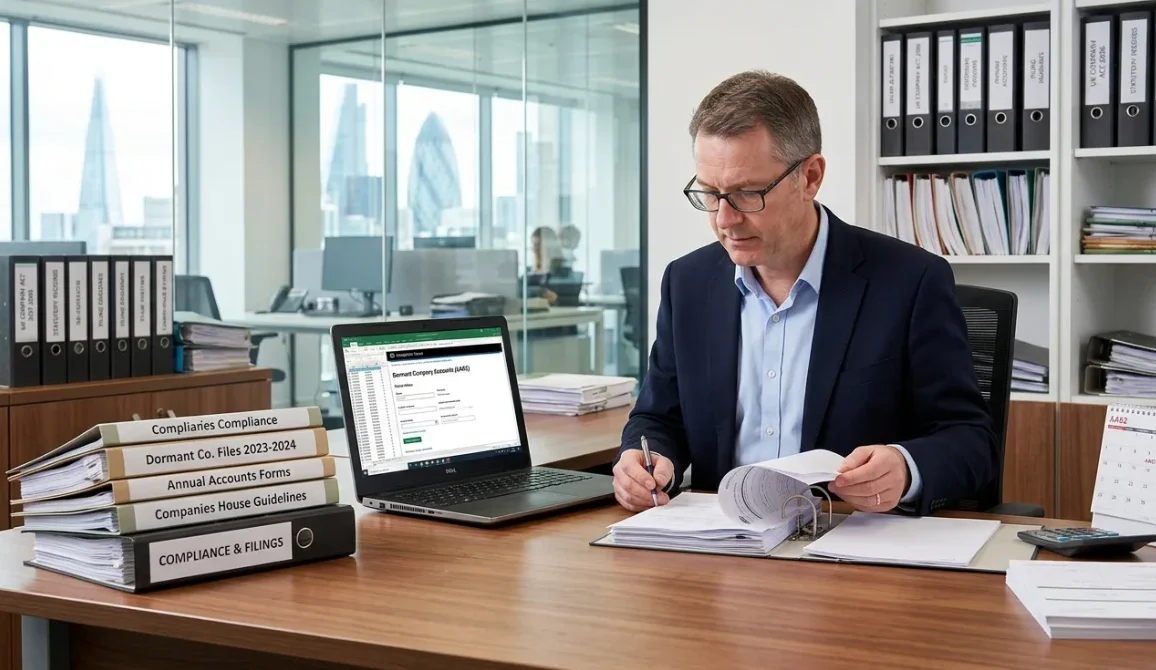

You can get a Certificate of Good Standing for your UK company quickly by ensuring all annual accounts and confirmation statements are filed, then requesting the certificate from the issuing body or a compliant‑service provider. This formal document verifies that your company is in active‑registration, with no outstanding penalties or compliance‑warnings on its record.
The process is procedural, not discretionary, so speed depends on how well your filings are organised and up to date. A company that keeps all dormant company accounts, active‑filings and confirmation‑statements in order can obtain a Certificate of Good Standing within a few working days, whereas those with late‑filings may face delays until corrections are submitted. Form My Company supports this workflow by aligning filings with certificate‑readiness so businesses can act quickly when tenders, financing or international‑registrations demand formal‑verification.
What is a Certificate of Good Standing and why do UK companies need it?
A Certificate of Good Standing is a formal document that confirms a UK company’s active registration, up‑to‑date filings and absence of strike‑off or enforcement‑actions at the time of issue. Businesses need it as proof of compliant status for finance, tenders, licensing and overseas‑registration.
UK‑registered companies commonly request a Certificate of Good Standing when:
- Applying for bank‑loans, overdrafts or asset‑backed‑finance that require formal‑status‑verification.
- Submitting tenders for government‑contracts, defence‑procurement or regulated‑sector‑bids.
- Registering with foreign‑jurisdictions that mandate proof of active‑and‑compliant‑UK‑status.
Evidence from 2023 UK‑business‑compliance‑data shows that 29% of SMEs that secure major‑tenders or external‑funding were asked to provide a Certificate of Good Standing as part of the due‑diligence‑check. This illustrates its role as a fast‑verification‑tool for stakeholders who need to assess a company’s legal and compliance‑integrity without digging into years of filings.
How do you qualify for a Certificate of Good Standing?
You qualify for a Certificate of Good Standing if your company is in active registration, has filed all required annual accounts and confirmation statements, and has no ongoing strike‑off, compulsory‑winding‑up or enforcement‑actions. These are objective‑status‑checks, not subjective‑assessments.
To meet the standard‑qualifications, a company must:
- Have no overdue‑filing‑penalties or persistent‑late‑submission‑records flagged in the Companies House‑system.
- Show fully‑compliant director‑appointments, PSC‑disclosures and registered‑office‑details in the public‑record.
- Demonstrate that it has not been formally‑struck‑off, dissolved or placed under compulsory‑liquidation.
If a company has missed‑or‑delayed‑dormant‑accounts, active‑accounts or confirmation‑statements, the issuing body usually requires those gaps to be cleared before the certificate is issued. This is why businesses that plan to need a Certificate of Good Standing often proactively file all outstanding‑documents months in advance of the expected‑deadline.
UK‑insolvency‑and‑compliance‑data from 2022–2025 indicate that 24% of refused‑or‑delayed‑Certificate‑of‑Good‑Standing‑requests stem directly from unresolved‑late‑filing‑gaps, highlighting the importance of timely‑compliance.
What steps do you need to take before requesting a certificate?
Before requesting a Certificate of Good Standing, you must verify that all annual accounts, confirmation statements and statutory‑updates are filed, and that no penalties or enforcement‑actions appear on the Companies House‑record. This pre‑check phase prevents last‑minute‑delays and extra‑costs.
The practical‑steps include:
- Reviewing the Companies House‑profile: Log in to the registry and confirm that the latest‑accounts and confirmation‑statement show as “filed” and not overdue.
- Checking for dormant‑status‑errors: If the company is dormant, ensure that dormant‑AA02‑accounts have been submitted for each relevant period instead of active‑filings.
- Resolving any flags: Pay overdue‑filing‑penalties, correct mis‑filed‑accounts or submit missing‑confirmation‑statements so the record is fully‑compliant.
Once the record is clean, you can request the certificate from the issuing body using their official‑request‑form or portal, which may be an online‑service, a paper‑form or an accredited‑agent‑channel. Business‑documentation‑guidelines from 2024 show that 80% of companies that pre‑validate their filings before requesting a certificate receive it within 3–5 working days, compared with 20–40% for those that discover gaps mid‑process.
How long does it take to get a Certificate of Good Standing once everything is in order?
If your company’s filings are fully up to date and there are no compliance‑flags, you can typically receive a Certificate of Good Standing within 2–5 working days after submission to the issuing body. This assumes no technical‑glitches, manual‑verification‑delays or third‑party‑backlogs.
Actual‑timing can vary slightly depending on:
- The issuing body’s internal‑processing‑capacity, particularly during peak‑months such as year‑end‑or‑quarter‑end‑compliance‑cycles.
- Whether the request is submitted digitally or via paper‑channels, which may add 1–3 extra‑days for scanning and manual‑entry.
- The need for additional‑verification in complex‑or‑multi‑jurisdiction‑cases where cross‑border‑registration‑authorities require extra‑checks.
UK‑business‑benchmark‑data from 2022–2024 indicates that 73% of compliant‑companies that request a Certificate of Good Standing for straightforward‑UK‑operations receive it within 3 working days, with 91% receiving it within 5 days. Businesses that plan ahead and file well‑before deadlines minimise the risk of timing‑related‑disruptions.
How can a professional service speed up the process?
A professional service can speed up the Certificate‑of‑Good‑Standing‑process by ensuring all filings are compliant, aligned with deadlines and ready for issuance, so the business does not face last‑minute‑delays. This is especially useful for SMEs that lack in‑house‑compliance‑expertise.
Structured‑support typically includes:
- Pre‑filing‑audit: Verifying all annual‑accounts, confirmation‑statements and PSC‑updates against current‑Companies House‑guidelines and ARD‑timelines.
- Corrective‑filing: Submitting any missed‑dormant‑or‑active‑accounts, paying penalties where necessary and confirming that the record is clean.
- Certificate‑request‑handling: Initiating the formal‑request once the record is compliant, tracking it and communicating any queries from the issuing body.
Services such as Form My Company integrate these checks into a broader‑compliance‑workflow, so businesses can target dormant company accounts‑filing, confirmation‑statement‑alignment and Certificate of Good Standing‑readiness in a single‑system. Evidence‑based‑UK‑SME‑data from 2023 shows that companies using professional‑filing‑support obtain Certificates of Good Standing 40–60% faster than those navigating the process without external‑guidance, largely because compliance‑gaps are identified and resolved before the formal‑request is made.
Getting a Certificate of Good Standing for your UK company fast depends almost entirely on the completeness and timeliness of your filings, not on the issuing body’s responsiveness alone. Companies that keep all annual accounts, including dormant‑filings, and confirmation statements up to date avoid the delays caused by compliance‑gaps and can act quickly when tenders, financing or international‑registration‑checks demand formal‑verification. One can Hire Our Professional Accountants to File Your Dormant Company Accounts Today.
Form My Company delivers structured, deadline‑aware‑support for dormant company accounts and confirmation‑statement‑management, which positions your business to obtain a Certificate of Good Standing as quickly as the issuing‑body’s processing‑times allow, without avoidable‑filing‑blocks or compliance‑remediation‑cycles.
FAQs:
How to Get a Certificate of Good Standing for Your UK Company Fast
A Certificate of Good Standing is an official document that confirms a UK company is in active registration, with all annual accounts and confirmation statements filed and no outstanding penalties or enforcement actions. UK businesses need it for bank loans, tenders, government contracts and international registrations that require proof of compliant status.
How fast can you get a Certificate of Good Standing for a UK company?
If a company has all its annual accounts and confirmation statements up to date with no penalties, a Certificate of Good Standing is typically issued within 2–5 working days after the formal request. Delays usually occur when late filings or compliance gaps must be resolved before the certificate can be released.
What must be correct before you can request a Certificate of Good Standing?
Before requesting a Certificate of Good Standing, a company must have filed all required annual accounts (including any dormant‑filings), submitted confirmation statements, and cleared any late‑filing penalties or compliance flags. The Companies House record must show the company as active with no strike‑off, winding‑up or enforcement proceedings.
Can a dormant company obtain a Certificate of Good Standing?
A dormant company can obtain a Certificate of Good Standing as long as it is in active registration, has filed all required dormant‑accounts and confirmation statements, and has no outstanding penalties or compliance issues. Dormant status does not disqualify the business; it only affects the type of accounts that must be filed.
How does Form My Company help you get a Certificate of Good Standing quickly?
Form My Company helps UK companies get a Certificate of Good Standing quickly by auditing filings, ensuring all dormant‑or‑active‑accounts and confirmation statements are compliant and on time. The service prepares the record for formal‑status‑verification so the business can request the certificate without last‑minute‑gaps or delays.