
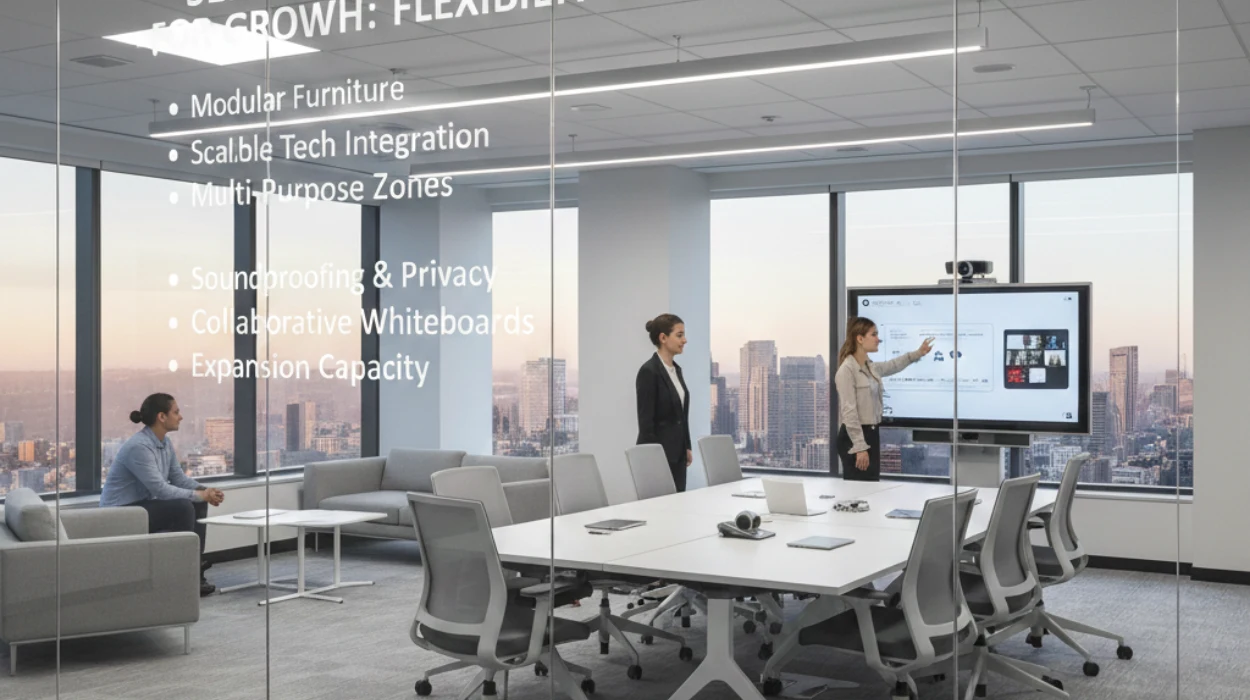
The best way to select conference rooms for a growing company is to match space, technology, and flexibility to your team’s evolving needs. The right conference room allows teams to collaborate efficiently, host clients confidently, and scale operations smoothly as the business expands.
Conference rooms are no longer simple meeting spaces; they’re strategic environments that support communication, decision-making, and business culture. For developing companies balancing hybrid work and rapid growth, choosing the right conference setup can directly influence productivity, professionalism, and brand perception. This guide explores the major factors that help business leaders and operations managers choose high-performing conference rooms aligned with their growth trajectory.
Understanding the Role of Conference Rooms in Growth
As companies grow, the purpose of their workspace evolves. In the early stages, teams might meet casually in open areas. But as headcounts increase and responsibilities diversify, structured environments become essential for focused collaboration and client engagement.
Conference Rooms Services like those offered by Form My Company’s conference room services provide dedicated, tech-enabled spaces that enhance the quality and professionalism of company meetings. These rooms can be booked or designed based on team size, meeting style, and privacy needs.
A well-equipped conference room serves several key roles:
- It provides structure for communication and project planning.
- It fosters collaboration between team members, partners, and clients.
- It signals company maturity and reliability.
- It supports hybrid work models through integrated video conferencing tools.
For growing businesses, these functions are intertwined with operational performance and brand experience.
Key Considerations When Choosing Conference Rooms
Selecting the ideal conference room involves more than picking a large space. It requires thoughtful alignment between business goals, logistical needs, and team culture.
Size, Layout, and Capacity
The size of a conference room should scale with your company’s workforce and meeting frequency. Overcrowded or excessively large rooms both create inefficiencies. Aim for a space where participants can engage comfortably with proper sightlines to screens and speakers.
Layout matters as much as size:
- Boardroom style suits strategic decision-making meetings.
- U-shaped or classroom setups are ideal for training and presentations.
- Flexible seating options help adapt rooms to various meeting formats, an essential feature for growing organizations.
Form My Company’s tailored Conference Rooms Services offer modular configurations that evolve with team size changes, ensuring consistent usability and comfort.
Location and Accessibility
Growth usually brings new employees, clients, and partners, making accessibility vital. When selecting conference rooms, consider:
- Proximity to major transport links
- Availability of parking or nearby amenities
- Ease of internal navigation within office buildings
Centrally located conference rooms are not just convenient they strengthen your organization’s professional image when hosting external guests.
Technology and Connectivity
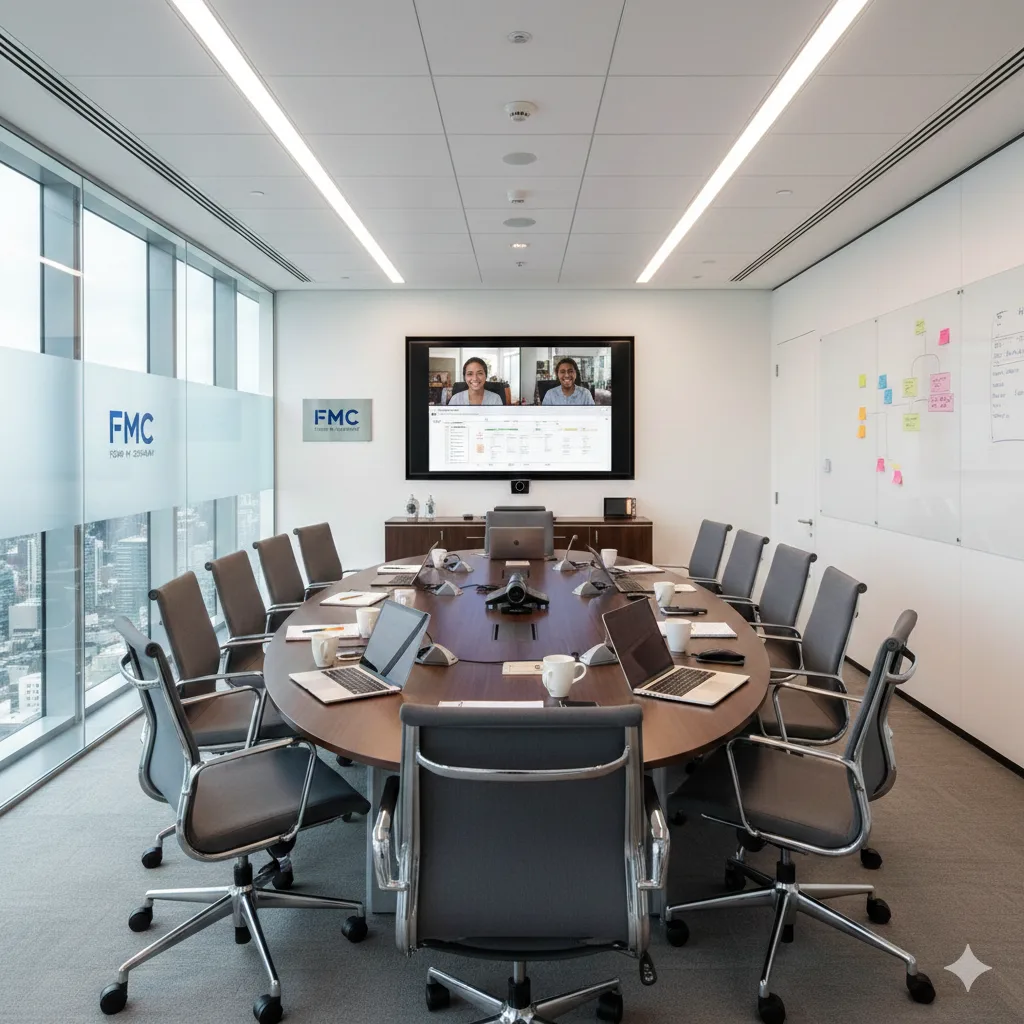
Modern business communication depends on reliable technology. A conference room should support both on-site and remote collaboration. Essential AV and connectivity features include:
- High-definition video conferencing systems
- Wireless screen sharing
- Fast, secure Wi-Fi
- Integrated microphones and speakers for clarity
For hybrid teams, these upgrades remove barriers between remote and in-person participants, maintaining equal engagement across the team. As covered in What Are Conference Rooms and How Do They Improve Meetings?, well-designed conference spaces boost communication quality and meeting outcomes through optimized acoustics and visuals.
Flexibility and Scalability
Flexibility is particularly critical for companies expecting rapid headcount or project growth. Conference rooms with modular furniture, movable walls, and adaptable technology make it easier to accommodate changing needs without repeated fit-out costs.
Scalability also refers to contracts and booking models. If using external Conference Room Services, look for providers offering adjustable terms or on-demand room reservations. This prevents underutilization and helps manage operational costs effectively.
Balancing Cost and Value
Budget is always a key factor, but focusing solely on upfront cost can undermine long-term value. Instead, growing companies should use a value-based selection model that weighs total return on investment.
Operational Savings
A well-equipped space reduces inefficiencies like wasted meeting time, travel expenses, or miscommunication between hybrid participants. Modern digital scheduling systems also streamline management, lowering administrative overheads.
Professional Image
The conference room is a visible extension of your business identity. Clients often form first impressions based on meeting environments. A sleek, well-maintained space reinforces credibility and trust—an important competitive advantage for expanding companies entering new markets.
Employee Productivity
Comfort and functionality drive engagement. Ergonomic furniture, natural lighting, and quiet surroundings improve focus and creativity, directly affecting output. Choosing thoughtfully designed rooms yields indirect savings through improved workforce efficiency.
Technology Integration: The Backbone of Modern Meetings
In a digitally connected world, meetings are only as good as the technology that supports them. Conference rooms for growing companies must integrate systems that simplify operations while enhancing communication.
Smart Room Systems
Automated lighting, climate control, and presentation modes increase energy efficiency and consistency. These systems allow employees to walk in, start meetings instantly, and avoid setup hassles—freeing more time for productive collaboration.
Cybersecurity in Conference Rooms
As companies manage confidential data and virtual meetings, secure systems become mandatory. Encryption-enabled conferencing tools, network segmentation, and controlled Wi-Fi access protect sensitive business communications.
Unified Collaboration Platforms
Integrating tools like Microsoft Teams, Zoom, or Slack with in-room systems ensures seamless hybrid workflows. A standardized setup across conference rooms helps employees adapt quickly, regardless of which branch or location they use.
Design, Comfort, and Atmosphere
Space aesthetics influence how people feel and perform. A thoughtfully designed conference room blends functionality with ambience to support various meeting types—from strategy sessions to creative brainstorming.
- Lighting: Natural and adjustable lighting prevents eye strain and enhances mood.
- Acoustics: Soundproofing or padded materials improve audio clarity.
- Color palette: Neutral or branded colors create a cohesive identity and professional tone.
- Furniture: Comfortable, ergonomic chairs and modular tables promote longer discussions without fatigue.
Design consistency across multiple offices also reinforces brand uniformity as your company expands.
Scalability in Multi-Site Companies
As organizations grow regionally or internationally, maintaining consistent meeting standards becomes a challenge. Conferencing environments should mirror one another in both function and quality across branches.
Standardized conference room solutions, offered through companies like Form My Company, ensure that every team no matter the city or department experiences the same reliable conditions for decision-making. Uniformity supports smoother cross-office collaboration and consistent client experiences.
Making Data-Driven Meeting Space Decisions
Many businesses now rely on analytics to guide their workspace planning. Smart booking platforms and occupancy sensors can track how frequently rooms are used, how many attendees typically join, and whether the technology meets needs.
These insights identify underused rooms, schedule bottlenecks, and opportunities to repurpose space. For expanding companies, this helps allocate physical resources efficiently and anticipate future spatial requirements with precision.
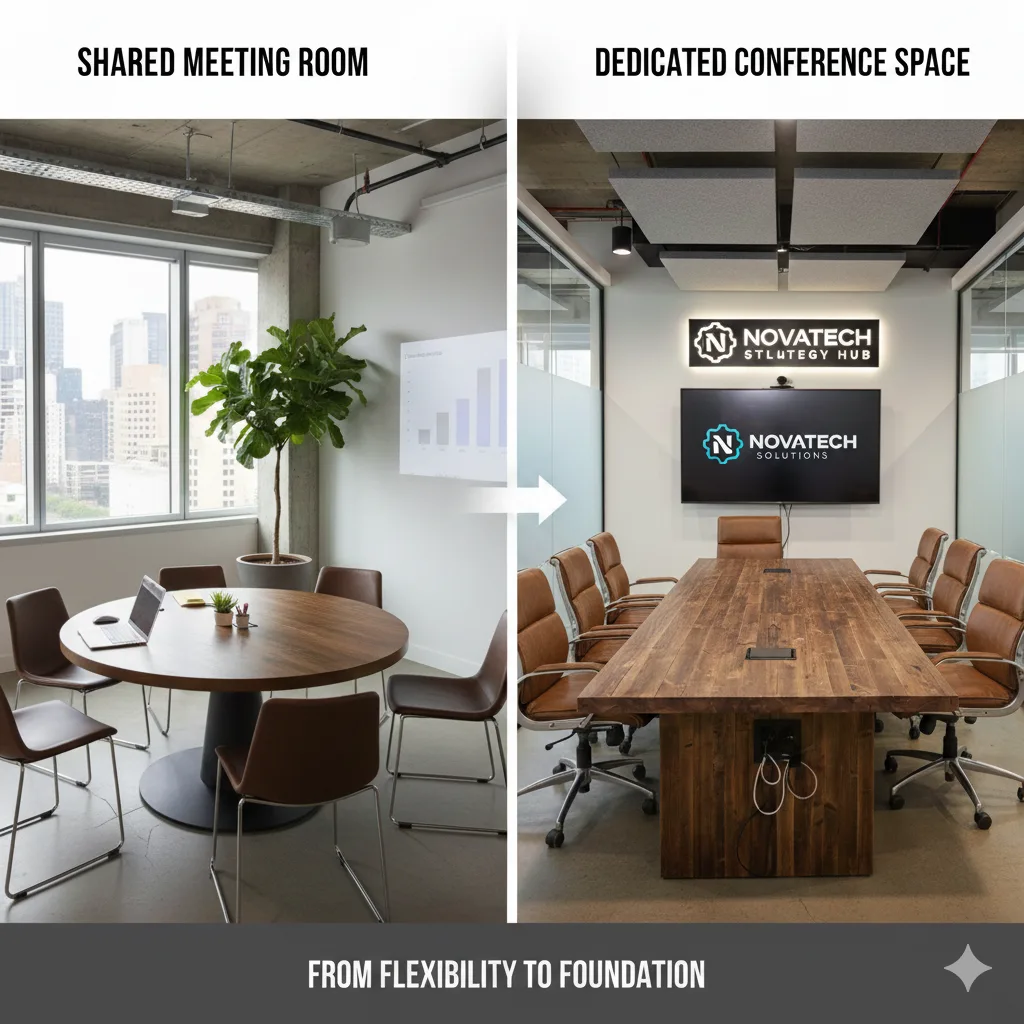
Transitioning from Shared to Dedicated Spaces
Start-ups often begin by sharing meeting rooms within coworking environments. As operations mature, securing dedicated conference space becomes essential for privacy and professionalism.
Dedicated spaces enhance brand control, enable customized functionality, and eliminate scheduling conflicts common in shared facilities. For mid-stage companies, transitioning to owned or leased conference rooms represents a key step toward operational independence.
Partnering with the Right Provider
When outsourcing, the reliability and flexibility of your Conference Rooms Services provider greatly influence the experience. The right partner should:
- Offer scalable contracts and flexible usage terms
- Maintain well-equipped, professionally managed facilities
- Provide support for hybrid and multimedia meetings
- Understand your growth pattern and workspace needs
Working with providers like Form My Company gives organizations an adaptive approach to meeting infrastructure, allowing them to focus more on growth and less on logistics.
Strengthening Collaboration Through the Right Space
Conference rooms are central to how growing companies communicate, plan, and project their identity. Selecting the right one is not about finding the fanciest venue it’s about aligning environment with goals, people, and technology.
Form My Company provides professional, scalable Conference Room Services that help organizations create meeting spaces built for productivity, efficiency, and long-term success. Whether you’re upgrading facilities or planning a new office layout, the right choices today will support the collaboration and confidence your business needs for tomorrow.
For organizations ready to enhance their meeting experience, explore more insights in What Are Conference Rooms and How Do They Improve Meetings? and take the next step by reserving conference rooms now for your next business event.
What should I look for when booking a conference room?
When booking a conference room, focus on size, technology, and accessibility. A well-equipped space, like those offered by From My Company’s Conference Room services should include video conferencing tools, flexible layouts, and comfortable seating to support effective meetings.
How do conference rooms improve team collaboration?
Conference rooms create structured environments for focused communication and decision-making. From My Company provides modern conference room solutions that integrate digital tools, enhancing both in-person and remote teamwork efficiency.
Are conference rooms suitable for hybrid meetings?
Yes, modern conference rooms are designed to support hybrid meetings with features like high-speed connectivity and integrated audio-visual systems. Providers such as From My Company offer secure, tech-enabled spaces ideal for mixed in-office and remote participation.
How can businesses choose the right conference room size?
The right conference room size depends on meeting frequency and attendee numbers. Growing companies should select rooms that provide enough space for collaboration without wasting square footage something From My Company’s Conference Room services help tailor effectively.
What technology should a professional conference room include?
A professional conference room should include video conferencing equipment, wireless screen sharing, soundproofing, and reliable Wi-Fi. These features, standard in From My Company’s Conference Rooms, ensure smooth communication and high-quality presentations.