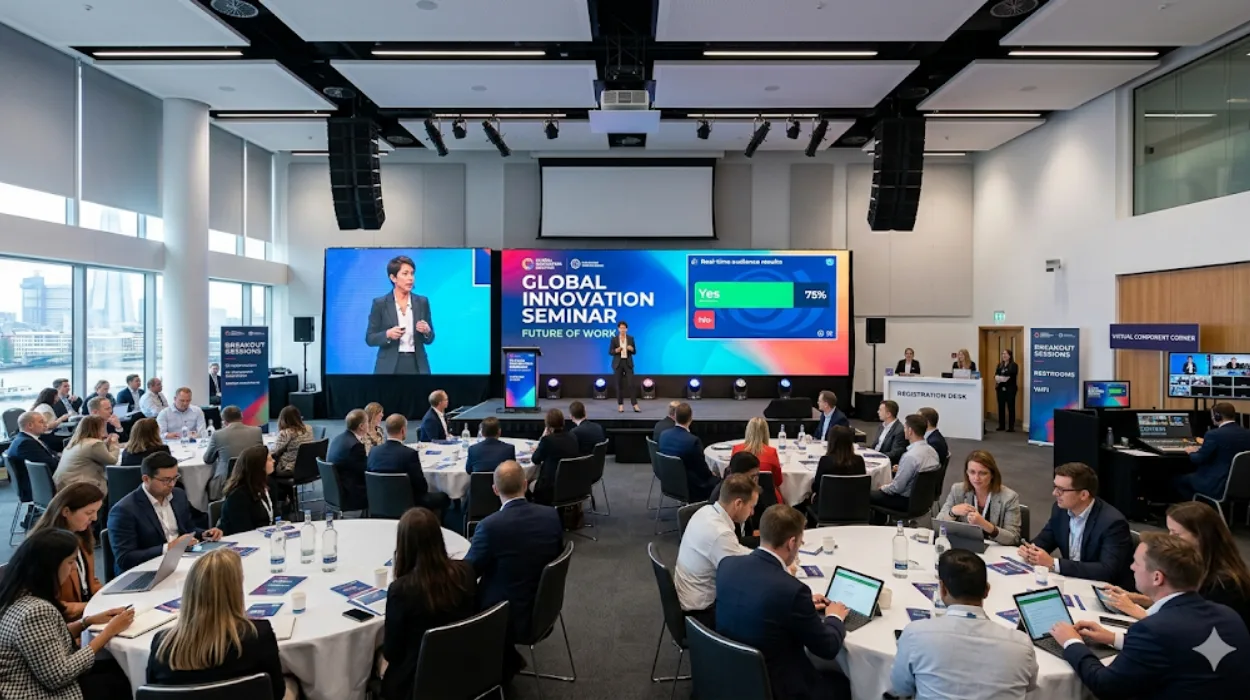
The right venue technology and room layout can make or break your seminar’s impact. A space equipped with flexible layouts, modern AV solutions, and seamless connectivity enhances engagement, professionalism, and attendee satisfaction.
When planning a seminar, one of the most underestimated factors is how the venue’s built-in infrastructure supports your event objectives. Even with great speakers and strong content, a poor setup weak Wi-Fi, poor acoustics, or awkward seating can compromise the entire experience. For businesses hosting events that depend on precision, collaboration, and professionalism, the technical and structural aspects of the venue play an essential role in success.
The Importance of Venue Technology in Modern Seminars
Modern seminars rely heavily on digital engagement and real-time connectivity. Venue technology, therefore, has evolved beyond simple projectors and sound systems it now encompasses hybrid meeting solutions, automated scheduling tools, and adaptable AV capabilities.
Quality seminar environments depend on three primary technology pillars:
- Connectivity: Fast, secure Wi-Fi supports digital presentations, live broadcasts, and attendee interaction through apps or polls.
- Audio-Visual Tools: High-definition display screens, integrated microphones, and live streaming capability ensure that both in-person and virtual audiences remain engaged.
- Smart Environment Controls: Lighting, temperature, and sound can be adjusted on demand to create an optimal learning atmosphere.
At Form My Company, the Conference Rooms service provides access to professional environments built with these advanced capabilities. These spaces are designed specifically for corporate events, ensuring reliable performance when it matters most.
Why Layout Defines the Flow of Learning and Engagement
Even with the best technology, a poorly arranged space can limit communication and reduce focus. Layout design directly affects how speakers interact with their audience and how attendees engage with each other.
The Psychology of Space in Seminars
Research in workplace and educational design shows that spatial configuration shapes participants’ cognitive focus and social dynamics. For example:
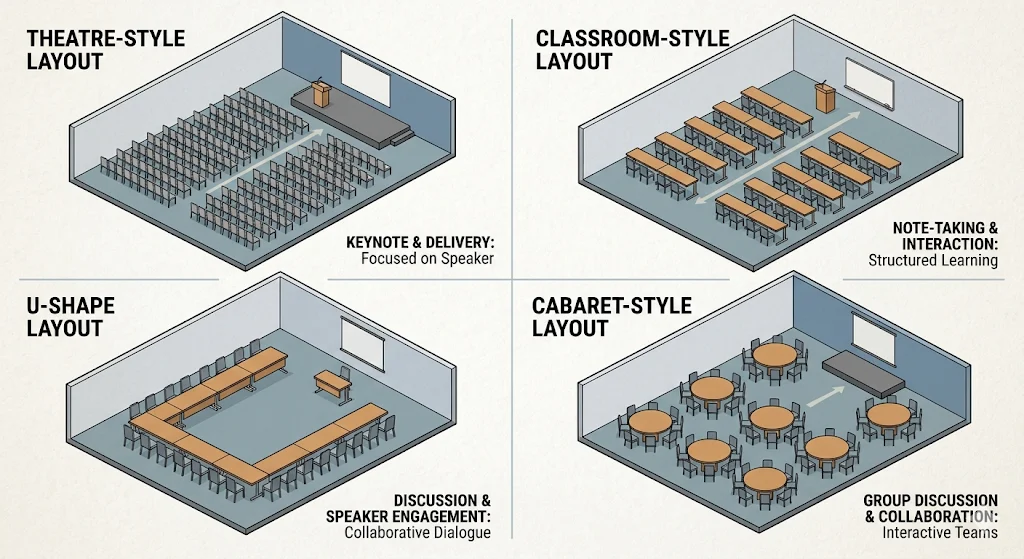
- Theatre-style layouts work best for large keynote-style sessions.
- Classroom or U-shape formats encourage note-taking and speaker interaction.
- Cabaret and round-table layouts support discussion-based learning.
Choosing a layout that aligns with your seminar goals whether delivery, debate, or collaboration creates a smoother flow of communication and learning.
Flexibility and Flow
Modern Conference Rooms Services are built with modular furniture and moveable partitions. This allows event organisers to adapt between plenary sessions and breakout discussions easily. Flexible furniture systems also aid accessibility, ensuring that all attendees are comfortable and visible during presentations.
Balancing Technology and Human Experience
A successful seminar balances human interaction with technological efficiency. Overly complex systems can distract from the event itself, while insufficient tools can frustrate attendees.
Practical integration is the key. For instance, an automated check-in kiosk can speed up attendee registration; however, having staff on-site ensures a friendly welcome and quick assistance. Similarly, integrated recording systems can document sessions, but trained technicians ensure flawless delivery.
Venues that combine professional equipment with human support reduce stress for organisers and create memorable experiences for participants. This combination defines the professionalism that corporate clients expect when booking a dedicated seminar setting.
The Role of Acoustics and Lighting in Attendee Focus
Lighting and sound are often secondary considerations, yet they impact attention spans and message clarity significantly.
- Lighting: Natural light enhances energy and mood, while adjustable artificial lighting ensures visibility across changing conditions.
- Acoustics: Soundproofed walls, high-quality speakers, and balanced audio design minimize distractions and ensure crisp communication.
A good venue integrates these details into its physical design rather than treating them as afterthoughts. The best conference room facilities use acoustic materials and zoning layouts that improve clarity, particularly for hybrid events involving remote participants.
Why Venue Infrastructure Reflects Brand Image
A seminar venue is an extension of your brand’s reputation. Clients, partners, and attendees form impressions not just from your content but from how professional the experience feels.
A sleek, modern conference setup signals that your organisation values communication, comfort, and innovation. By contrast, cluttered spaces or outdated equipment can unintentionally project inefficiency.
For businesses focused on their brand perception, choosing a venue with the right architecture, technology, and design ensures that your seminar both informs and impresses. The conference rooms provided by Form My Company are designed with this principle in mind combining visual appeal with operational excellence.
Comparing Venues: Why Functionality Beats Grandeur
When comparing different types of venues, it’s tempting to prioritise aesthetics or prestige. However, functionality often has a greater impact on seminar outcomes.
A good reference point can be explored in Form My Company’s article on comparing conference room hire vs. large hotel function suites. It highlights how bespoke business spaces are purpose-built for focus and productivity, whereas hotel suites primarily cater to hospitality rather than communication flow.
Functional venues particularly those tailored for seminars offer:
- Dedicated AV infrastructure designed for clarity and reliability.
- On-site technical support familiar with corporate event formats.
- Layout variety suited for both training and presentation modes.
- Privacy and professionalism without hotel or leisure distractions.
These advantages translate into better concentration, smoother delivery, and higher satisfaction scores among participants.
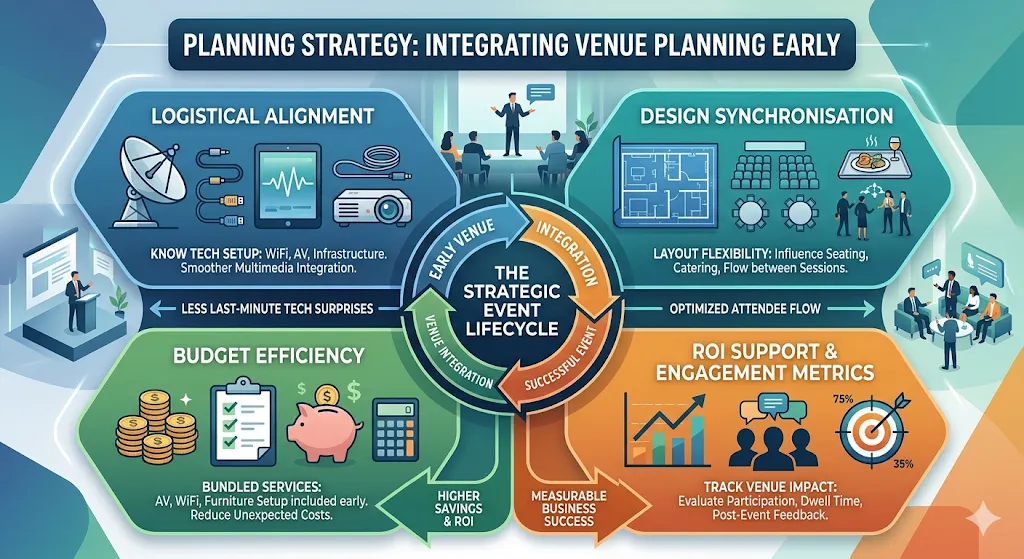
Planning Strategy: Integrating Venue Planning Early
Many event planners make the mistake of finalising content before selecting a venue. In reality, technology and layout influence key decisions such as agenda pacing, session formats, and networking time.
Integrating venue selection early in the planning process offers several benefits:
- Logistical Alignment: Knowing your tech setup ensures smoother multimedia integration.
- Design Synchronisation: Layout flexibility influences seating charts, catering logistics, and flow between sessions.
- Budget Efficiency: Bundled services (AV support, Wi-Fi, furniture setup) reduce unexpected last-minute costs.
This proactive approach also helps businesses evaluate ROI by tracking how their venue supports engagement metrics such as participation, dwell time, and post-event feedback.
Measuring Success Through Venue Impact
Assessing the success of a seminar extends beyond attendee numbers. Venue innovation plays a quantifiable role in creating measurable outcomes.
- Engagement Rates: Venues that support hybrid formats see higher participation across locations.
- Retention Scores: Clear acoustics and good sightlines improve information retention.
- Professional Impression: A well-structured layout enhances perceived brand credibility.
Such metrics are increasingly valuable for training departments and marketing teams that report ROI based on audience response and content absorption.
Building Future-Ready Seminar Spaces
The evolution of business conferencing continues toward hybrid setups, customizable design, and sustainability. Future venue innovations will emphasize:
- Energy-efficient lighting and automated climate control.
- AI-supported scheduling and room configuration tools.
- Fully integrated recording and translation platforms for global audiences.
Conference facilities that anticipate these changes will continue to serve as cornerstones of corporate development, enabling organisations to deliver effective communication in an increasingly connected world.
How Form My Company Elevates Seminar Planning
Form My Company supports professionals in creating events that align with modern expectations for technology, flexibility, and impact. Its Conference Rooms Services offer reliable connectivity, professional layouts, and customisable setups for seminars, workshops, and corporate events.
For businesses looking to transition from planning to execution, the next step is exploring the brand’s insights on renting modern conference rooms for corporate events and seminars.
That piece dives deeper into how investing in modern, well-equipped spaces transforms execution quality and attendee engagement.
By partnering with Form My Company, event planners and organisations gain access to purpose-built venues that combine advanced technology, spatial intelligence, and trusted service ensuring every seminar achieves its full potential.
What features should I look for when booking conference rooms?
When booking conference rooms, focus on essential features like high-speed Wi-Fi, integrated AV systems, adaptable layouts, and adequate lighting. From My Company’s Conference Rooms include these core elements to support professional meetings, seminars, and hybrid events effectively.
How do conference rooms benefit corporate seminars?
Professional Conference Rooms provide technology, acoustics, and layouts designed for engagement and productivity. From My Company ensures each space enhances knowledge sharing, focus, and communication throughout seminar sessions.
Are conference rooms suitable for hybrid or virtual meetings?
Yes, modern conference rooms are equipped for both in-person and hybrid formats. From My Company integrates video conferencing tools, soundproofing, and connectivity solutions to facilitate consistent audio and visual quality across all audiences.
How large should a conference room be for 50 attendees?
A conference room for 50 participants typically requires 60–80 square metres, depending on the layout and equipment setup. From My Company provides scalable Conference Rooms that can be configured for small workshops or larger corporate gatherings.
What’s the difference between a meeting room and a conference room?
Meeting rooms are designed for small, short sessions, while Conference Rooms accommodate larger groups and events requiring advanced technology. From My Company’s conference facilities include professional audio-visual systems, modular layouts, and business support to manage more complex events.