
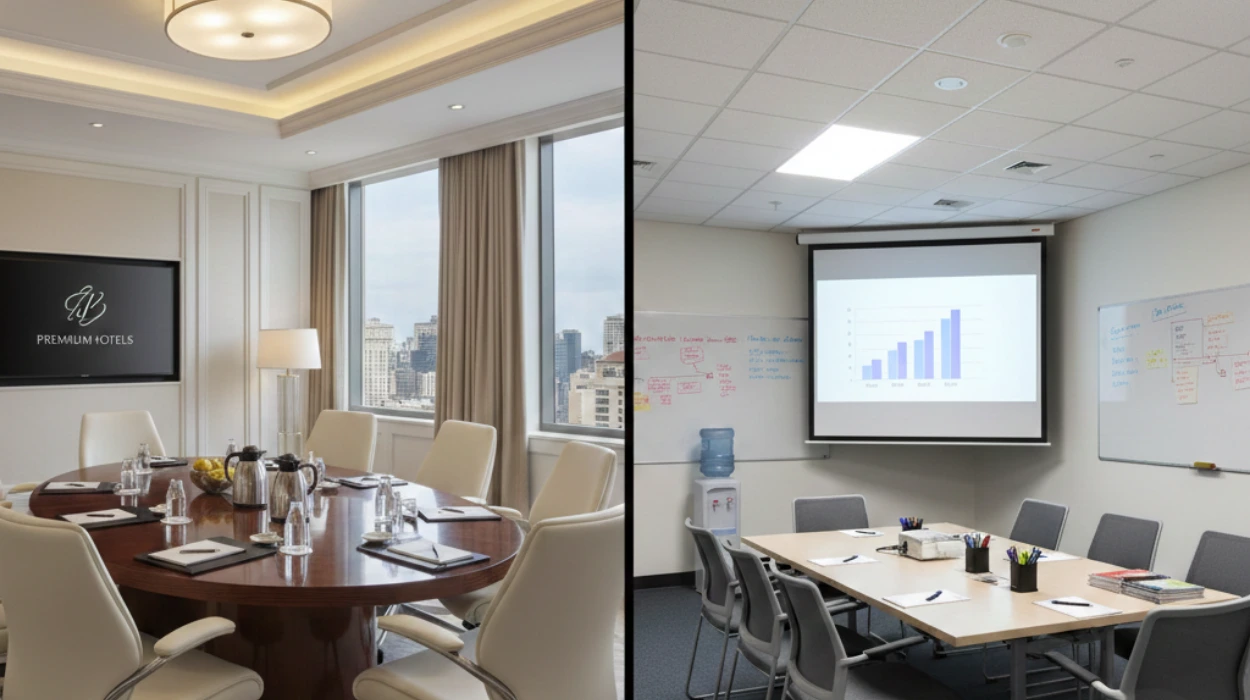
Premium hotels may appear convenient for corporate meetings, but dedicated conference rooms offer purpose-built spaces that enhance productivity, privacy, and brand professionalism. The better choice depends on your company’s goals: comfort versus focus, convenience versus control.
Understanding the Business Environment Dilemma
Modern companies increasingly weigh premium hotels and dedicated conference rooms for critical meetings, training sessions, and client presentations. On paper, hotel meeting venues promise luxury, comfort, and prestige. In practice, many businesses discover that dedicated conference room services deliver more control, efficiency, and flexibility qualities essential for serious business outcomes.
Why This Debate Matters
Your choice of meeting venue shapes productivity, perception, and decision-making. A well-planned environment not only influences morale but also reinforces your company’s brand image and operational standards. That’s why medium-to-large enterprises are reassessing whether hotels, with all their amenities, truly outperform facilities built exclusively for professional gatherings.
The Case for Premium Hotels
Premium hotels have long attracted corporate clients because they merge hospitality with comfort. Their allure lies in the prestige and convenience of having everything lodging, dining, and leisure under one roof.
Strengths of Hotel-Based Meetings
- Prestige and ambiance: Top-tier hotels project luxury and sophistication that can impress high-profile guests or overseas partners.
- Comprehensive services: Catering, concierge support, and on-site accommodation simplify logistics.
- Networking potential: Events in shared spaces sometimes lead to useful industry connections or cross-company interactions.
Limitations Businesses Should Consider
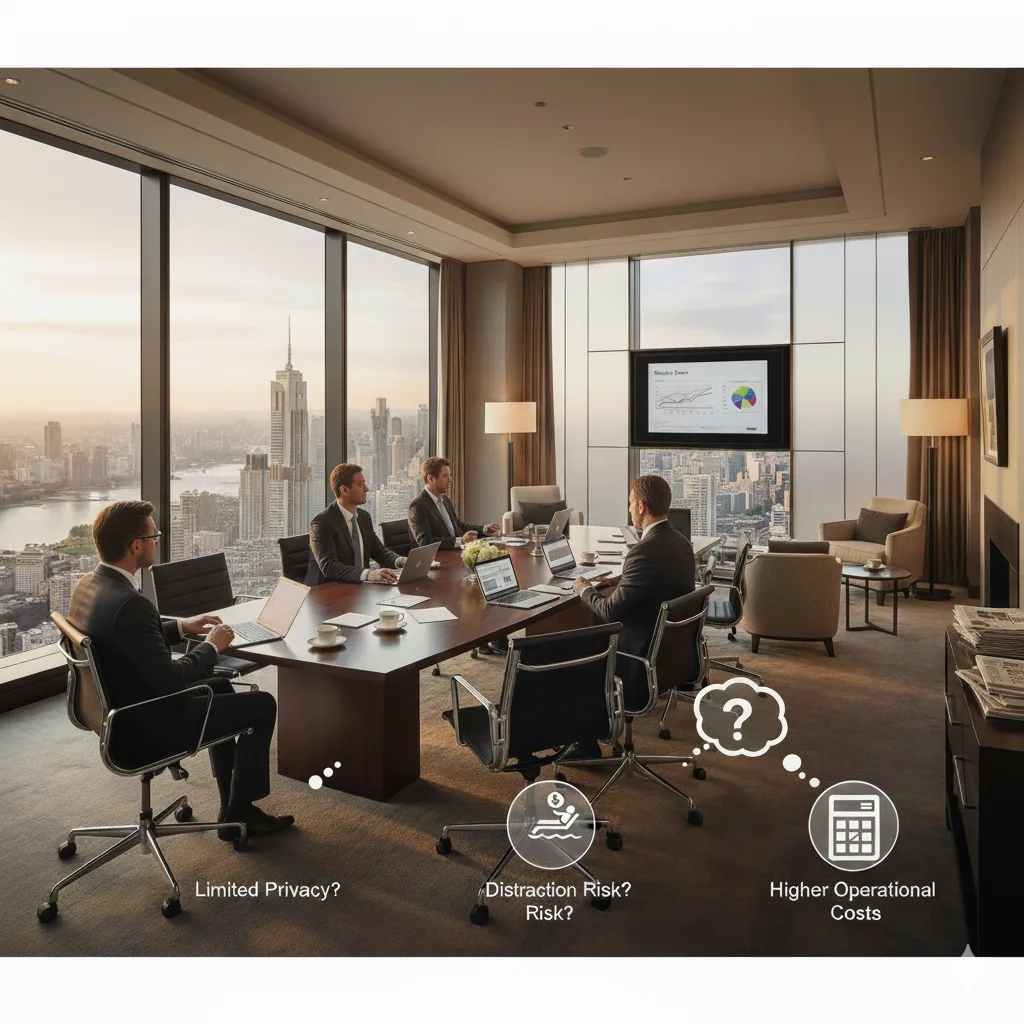
However, attractive surroundings don’t necessarily guarantee business efficiency. Hotels cater primarily to travelers and leisure experiences, not confidential or high-focus corporate work.
- Limited privacy: Shared floors and general access areas can compromise confidentiality.
- Distraction risk: The hospitality atmosphere can dilute concentration.
- Higher operational costs: Bundled services often include features you don’t need, creating inefficiency.
Premium hotels excel at hospitality, not necessarily at optimizing the professional workflow that fuels executive discussions.
The Power of Dedicated Conference Rooms
In contrast, dedicated conference rooms like those provided by Form My Company are purpose-built for productivity, collaboration, and secure communications. These environments combine design precision and professional amenities aligned with modern corporate requirements.
Tailored for Business Performance
Unlike hotels, dedicated conference facilities prioritize functionality and focus over luxury aesthetics. They integrate technology, privacy controls, and ergonomic design as default features, not add-ons.
- Advanced business technology: Built-in video conferencing, presentation systems, and acoustics ensure smooth communication.
- Privacy and control: Exclusive access minimizes noise, foot traffic, and distractions.
- Custom branding opportunities: Companies can tailor the space to reflect corporate identity, ensuring consistent brand presentation.
Cost and Resource Efficiency
Conference room services often operate on flexible pricing models, letting businesses pay only for time and utilities used. Over long projects or recurring meetings, this efficiency can create measurable savings compared to premium hotels, where bundled amenities inflate costs.
For firms prioritizing flexibility and professionalism, booking a purpose-built space exemplifies strategic resource management.
If you’re exploring business-class venues designed explicitly for productive outcomes, review Form My Company’s conference room service options, a comprehensive solution that balances quality, privacy, and convenience.
Comparing the Two Options Side by Side
| Criteria | Premium Hotels | Dedicated Conference Rooms |
|---|---|---|
| Primary Focus | Hospitality and comfort | Productivity and professionalism |
| Privacy Level | Moderate, depending on hotel policies | High, built specifically for confidentiality |
| Technology | Limited, often basic projector setups | Integrated AV systems, hybrid conferencing |
| Cost Structure | Bundled, less flexible | Pay-by-use, scalable |
| Brand Customization | Restricted by venue décor | Fully adaptable to corporate identity |
| Environment Control | Shared and dynamic | Exclusive and consistent |
| Staff Expertise | Hospitality-centric | Business facilitation-oriented |
From this perspective, premium hotels appeal when external impressions outweigh operational depth; conference rooms outperform when business performance, privacy, and long-term return take precedence.
Creating the Right Impression
The venue you choose sends an unspoken message to clients and partners. Hosting an executive meeting in a leisure-oriented environment can contrast sharply with corporate professionalism. Dedicated conference spaces align your surroundings with your business intent a quality increasingly valued in industries where brand integrity is non-negotiable.
Brand Alignment and Environment Psychology
Studies show that meeting participants absorb environmental cues subconsciously. Lighting, acoustics, seating layout, and décor influence not only comfort but also engagement and decision quality.
A dedicated meeting environment, with calibrated acoustics and workstation design, signals precision and authority qualities associated with high-performing organizations.
For deeper insight into how workspace design shapes corporate identity, see our related article on how the right environment can boost your company’s brand image.
When Hotels Still Make Sense
Despite their limitations, premium hotels can still serve strategic purposes. For short international meetings, client entertainment, or training retreats, hotels bring undeniable value especially when overnight stays or banquets are involved.
Corporate travelers often leverage hotels for:
- Transitional meetings between flights or business events
- Large-scale conferences with multi-day catering needs
- Events combining business sessions with social functions
In such scenarios, hotels’ logistics and hospitality integration simplify planning. The key is recognizing that hotels fulfill occasional representational functions, while dedicated conference rooms sustain core business operations.
The Strategic Advantage of Dedicated Venues
The rise of hybrid work culture has increased demand for adaptable, tech-ready meeting spaces. Companies no longer want generic hotel rooms retrofitted for presentations they require environments that support both in-person and virtual engagement with seamless transitions.
Optimized for Hybrid Meetings
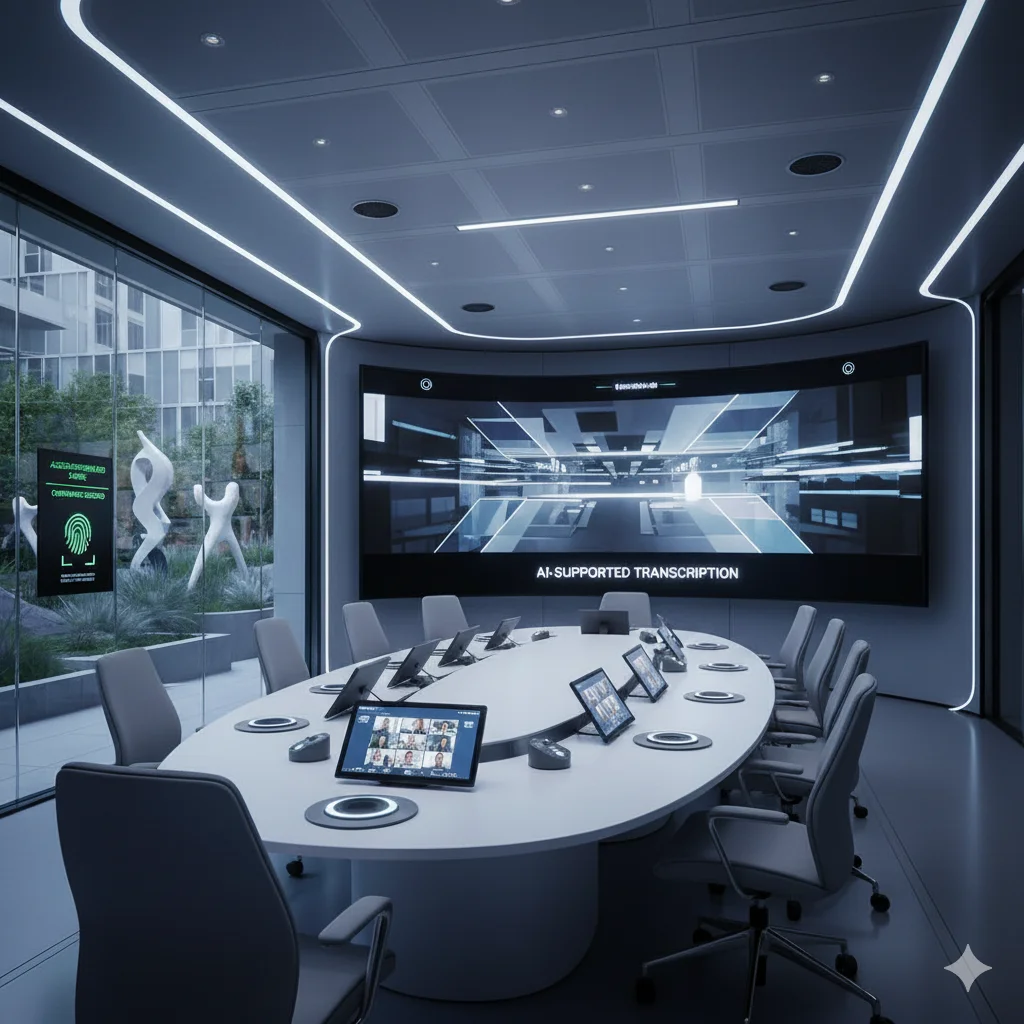
Modern conference rooms feature embedded connectivity that supports remote joining, real-time screen sharing, and AI-supported transcription. Facilities like those offered by Form My Company ensure enterprises maintain professional consistency, regardless of meeting format or location.
Security and Compliance
Privacy has become another major differentiator. For sectors handling sensitive data finance, law, healthcare conference room services provide access-controlled, surveillance-safe environments compliant with corporate governance standards. Hotels, generally open to the public, cannot guarantee this level of control.
Making the Right Investment Decision
Choosing between a premium hotel and a dedicated conference space is less about prestige and more about purpose. Ask yourself:
- Is the meeting about networking or decision-making?
- Does confidentiality outweigh convenience?
- Are brand representation and focus equally essential?
In many cases, dedicated venues emerge as the long-term strategic investment, aligning cost efficiency, professionalism, and operational agility.
The Form My Company Approach
Form My Company unites flexibility and professionalism through its curated Conference Room Services, designed to help organizations meet, plan, and collaborate confidently. Every location offers:
- Secure, quiet settings isolated from external noise.
- Smart presentation systems and high-speed connectivity.
- Trained support staff attuned to business needs, not hospitality distractions.
By combining spatial precision with brand adaptability, Form My Company ensures that your meetings reflect the same excellence embedded in your corporate principles.
To understand how selecting the right environment strengthens decision-making optics across all stakeholder levels, explore the BOFU article impress your stakeholders with Form My Company’s luxury venues. While premium hotels offer comfort and status, dedicated conference rooms deliver focus, confidentiality, and measurable efficiency. For organizations valuing strategic communication and professional control, specialized spaces yield stronger long-term benefits.
Partnering with Form My Company ensures your business gains not just a venue but a performance environment crafted for corporate success.
What are the benefits of using dedicated conference rooms for business meetings?
Dedicated conference rooms provide a professional, distraction-free environment designed for effective communication and collaboration. They offer integrated technology, privacy, and flexible layouts that support productive decision-making and brand consistency.
How do From My Company’s conference rooms support hybrid and virtual meetings?
From My Company’s conference rooms are equipped with advanced audiovisual systems and high-speed connectivity for seamless hybrid meetings. This setup allows remote participants to engage effectively, ensuring consistent collaboration across physical and digital spaces.
Are conference rooms more cost-effective than hotel meeting venues?
Yes, conference rooms are usually more cost-efficient because businesses only pay for the time and resources used. They exclude unnecessary hospitality charges typical of hotel venues, providing better financial control for recurring meetings.
What features should a professional conference room include?
A quality conference room should include secure access, ergonomic seating, presentation tools, and reliable internet connectivity. From My Company ensures each conference space meets these standards, promoting focus and efficiency for all participants.
How do conference rooms enhance a company’s professional image?
Well-designed conference rooms project credibility and organization, reflecting positively on your company’s brand. From My Company’s conference room services help businesses host meetings that reinforce trust and demonstrate a commitment to professionalism.