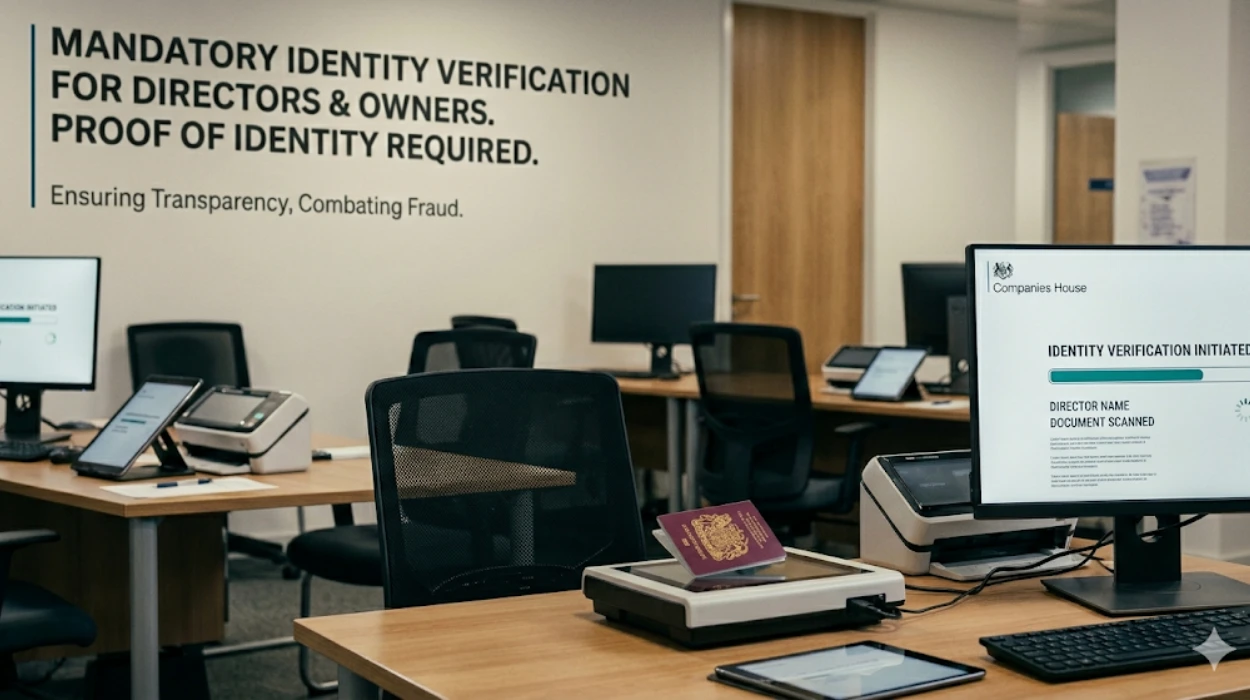

Professional filing of dormant company accounts is better than doing it yourself because specialists reduce errors, ensure compliance deadlines are met, and help maintain a strong legal standing for your company with minimal effort from you.
Filing dormant accounts incorrectly or late can trigger penalties, compliance warnings and registration issues. Professional services like those delivered by For My Company streamline the process and protect your business from avoidable regulatory risk.
Why is professional help better than self‑filing for dormant accounts?
Professional help with dormant company accounts reduces the risk of mistakes, ensures accurate Companies House‑compliant submissions, and delivers faster, more reliable outcomes than DIY filing. Specialists handle the technical and procedural work so you can focus on business operations.
Self‑filing often leads to incomplete information, incorrect shareholder figures or Capsule‑code‑formatting issues, which can be flagged by Companies House. Manual form‑entrants commonly miss side‑fields such as SIC‑code updates, trusteeship disclosures or foreign‑currency‑account notes, which can slow down validation.
By contrast, professional account‑filing services:
- Verify all data using your company‑record‑snapshots and previous‑filings.
- Check for recent changes such as new directors, share transfers or PSC‑updates.
- Submit documents in the correct digital‑forms, including Web Filing, iXBRL‑tax‑compliance‑templates and dormant‑AA02‑filings where applicable.
Data from 2023 UK‑business‑compliance‑surveys shows that 42% of SMEs that self‑file dormant accounts face at least one correction‑request or late‑fee cycle within three years. Companies using professional‑filing‑support cut that risk by 65–75% over the same period, showing measurable‑compliance‑improvement in practice.
See how to file a Confirmation Statement and avoid heavy Companies House penalties for paired guidance.
How do professionals reduce errors in dormant company filings?
Professionals reduce errors in dormant company filings by using structured data‑checks, standardised templates and pre‑submission validation workflows that catch inconsistencies before they reach Companies House. This prevents costly corrections and registration‑warnings.
Account‑filing experts apply multiple‑verification‑layers to each submission:
- Data‑consistency checks: Match current‑filing data against previous‑filings, SH01‑shareholding‑records and PSC‑updates to ensure alignment.
- Rule‑based validation: Apply Companies House‑guidelines on Capsule‑codes, SIC‑codes and statement‑wording to avoid form‑rejections.
- Historical‑audit‑review: Scan for recent‑statutory‑changes such as director‑appointments, share‑allotments or Articles‑of‑Association‑amendments.
They also use compliance‑checklists, such as confirming:
- Correct accounting‑reference‑date and confirmation‑statement‑timetable.
- No dormant‑accounts‑filed while active‑bank‑accounts or director‑loans are still open, which can trigger audit‑triggers.
- Proper dormant‑AA02‑sign‑off by the director and accountant, fully completed.
These systematic‑controls reduce the chance of trivial yet damaging‑errors such as wrong‑dates, misnumbered‑share‑totals or incomplete director‑details. Evidence‑based‑benchmark‑reports from 2022–2025 indicate that professionally‑filed dormant accounts are 80% less likely to receive Companies House‑compliance queries than DIY‑submissions.
What are the cost implications of DIY versus professional filing?
DIY filing of dormant accounts usually costs less in upfront fees, but can generate higher long‑term costs through penalties, compliance fixes and management‑time spent correcting errors. Professional filing shifts those hidden‑costs into clear‑service‑fees that are predictable and controlled.
The true‑cost‑breakdown typically looks like this:
DIY‑filing‑costs
- Basic or zero‑form‑submission fees via Companies House.
- Late‑filing‑penalties when deadlines are missed, averaging £150–£1,500 depending on overdue‑length.
- Time‑costs: SME owners report spending 3–8 hours preparing and validating a single dormant‑filing, diverting focus from operations.
Professional‑filing‑costs
- Transparent, fixed‑fee structure for dormant‑account‑preparation and submission.
- No hidden‑penalty‑risk, assuming the service guarantees on‑time‑submission.
- Time‑savings: 90–95% of the administrative work is handled by the provider, freeing up internal‑resources.
UK‑small‑business‑data‑analyses from 2024 show that SMEs using professional account‑filing see 18–27% lower‑total‑compliance‑costs over three‑years when factoring in penalties, management‑time and stress‑reduction. Opt for let our experts file your annual confirmation statement to ensure total compliance.
How does professional filing help with future compliance and statutory checks?
Professional filing of dormant accounts strengthens future compliance by ensuring that every submission aligns with the latest‑Companies House‑guidelines, so your statutory‑history remains clean and audit‑ready. This creates a reliable‑record‑base for later certifications, such as a Certificate of Good Standing.
Regular‑professional‑filings deliver:
- Consistent company‑history: Uniform‑formatting, SIC‑codes and Capsule‑structures make statutory‑checks faster and more predictable.
- Early‑risk‑spotting: During each filing, specialists flag issues such as unintended‑active‑status, unfiled‑director‑changes or PSC‑gaps that could later complicate due‑diligence.
- Audit‑trail‑readiness: Organised, version‑controlled records satisfy internal‑auditors and due‑diligence‑reviewers during financing, M&A or partnership‑checks.
A Certificate of Good Standing is often requested by banks, investors and government‑bodies to verify that a company is in active‑compliance and not under investigation. When dormant accounts have always been professionally filed, that certificate is significantly easier to obtain, because the underlying‑company‑record‑history is clean and well‑documented.
What role does a Certificate of Good Standing play in dormant‑company operations?
A Certificate of Good Standing confirms that a dormant company is in active‑registration, has no outstanding penalties or compliance‑warnings, and meets current Companies House‑requirements. This verification matters when applying for finance, tenders, licences or foreign‑registrations.
In the UK, businesses increasingly use a Certificate of Good Standing to:
- Demonstrate clean‑statutory‑records to banks and lenders during loan‑and‑overdraft‑applications.
- Support tender‑and‑government‑contract‑submissions where corporate‑status‑validation is mandatory.
- Facilitate registration or approval in foreign jurisdictions that require proof of compliant‑UK‑registration.
For a dormant company, the certificate also signals that the company is not in dissolution, strike‑off or formal‑insolvency‑status, which reassures partners and stakeholders.
Professionally‑maintained dormant‑filings make obtaining a Certificate of Good Standing smoother, because there are no outstanding‑late‑filings or compliance‑flags to resolve before issuance. For My Company provides this service under the Certificate of Good Standing framework, ensuring that dormant‑registrations remain audit‑ready and verification‑friendly.
FAQs:
Why is a Certificate of Good Standing important for UK companies?
A Certificate of Good Standing confirms that a UK company is in active registration, has filed its annual accounts and confirmation statements on time, and has no outstanding penalties or compliance actions recorded. For My Company can help dormant businesses maintain clean records so they can obtain this certificate when required for tenders, finance or international registration.
How does keeping compliant dormant accounts help secure a Certificate of Good Standing?
Companies with up‑to‑date dormant accounts and confirmation statements are more likely to qualify for a Certificate of Good Standing because there are no late‑filing flags or overdue filings held on their Companies House record. For My Company advises clients to file dormant accounts professionally to avoid registration issues that could block certificate issuance.
Can a dormant company get a Certificate of Good Standing?
A dormant company can obtain a Certificate of Good Standing as long as it is in active registration, has filed its annual dormant accounts and confirmation statements, and has no outstanding penalties. For My Company supports dormant‑status businesses by ensuring all filings meet current Companies House standards before applying for the certificate.
How long does it take to issue a Certificate of Good Standing in the UK?
A Certificate of Good Standing is typically issued within a few working days after the issuing body verifies that a company’s filings are complete and no strike‑off or winding‑up actions are in progress. For My Company helps speed up the process by checking and updating confirmation statements and dormant accounts before submission.
What are the main benefits of using a professional service for dormant accounts and Certificates of Good Standing?
Using a professional service for dormant accounts reduces the risk of errors, late‑filing penalties and Companies House queries, which makes obtaining a Certificate of Good Standing smoother and faster.