
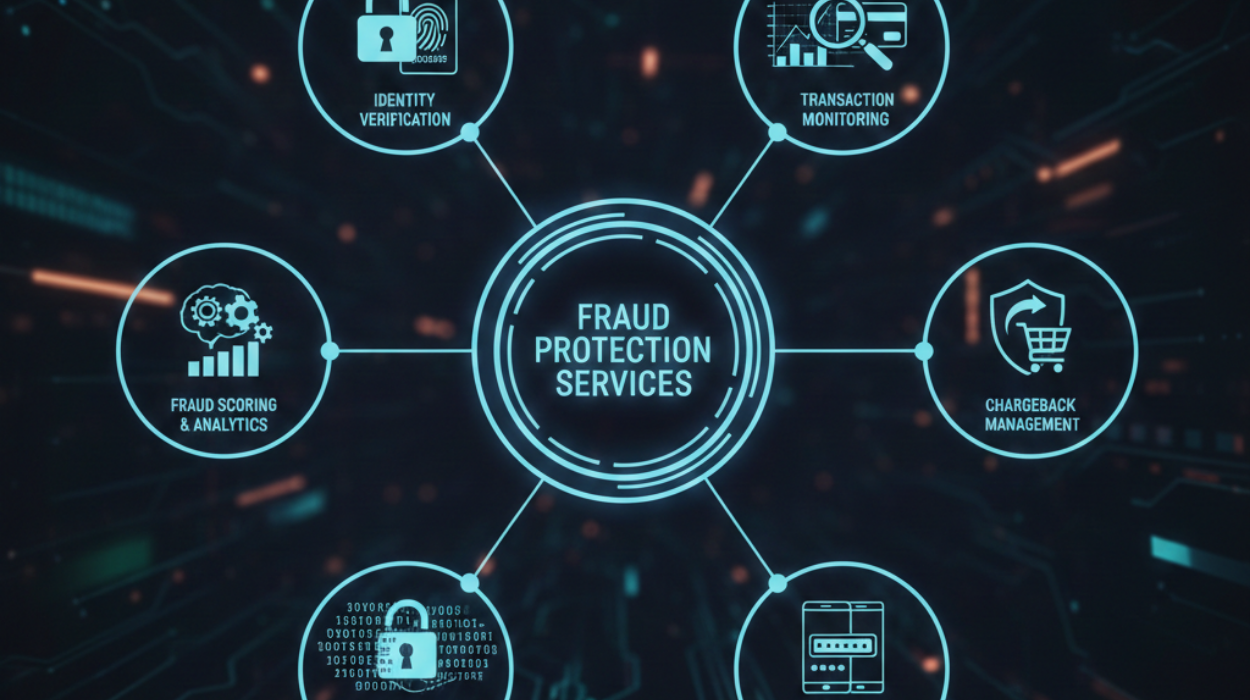
The main types of fraud protection services include identity verification, transaction monitoring, data security, business identity protection, and regulatory compliance solutions. Each type works to detect, prevent, and respond to fraudulent activity before it harms your company’s assets, reputation, or customers.
Understanding and implementing effective fraud protection services is vital for every modern business. In today’s digital-first economy, fraud has evolved from simple scams into complex, automated operations. Organisations now need layered defence systems that combine technology, data intelligence, and compliance to guard against financial, legal, and reputational damages.
Why Businesses Need Fraud Protection Services
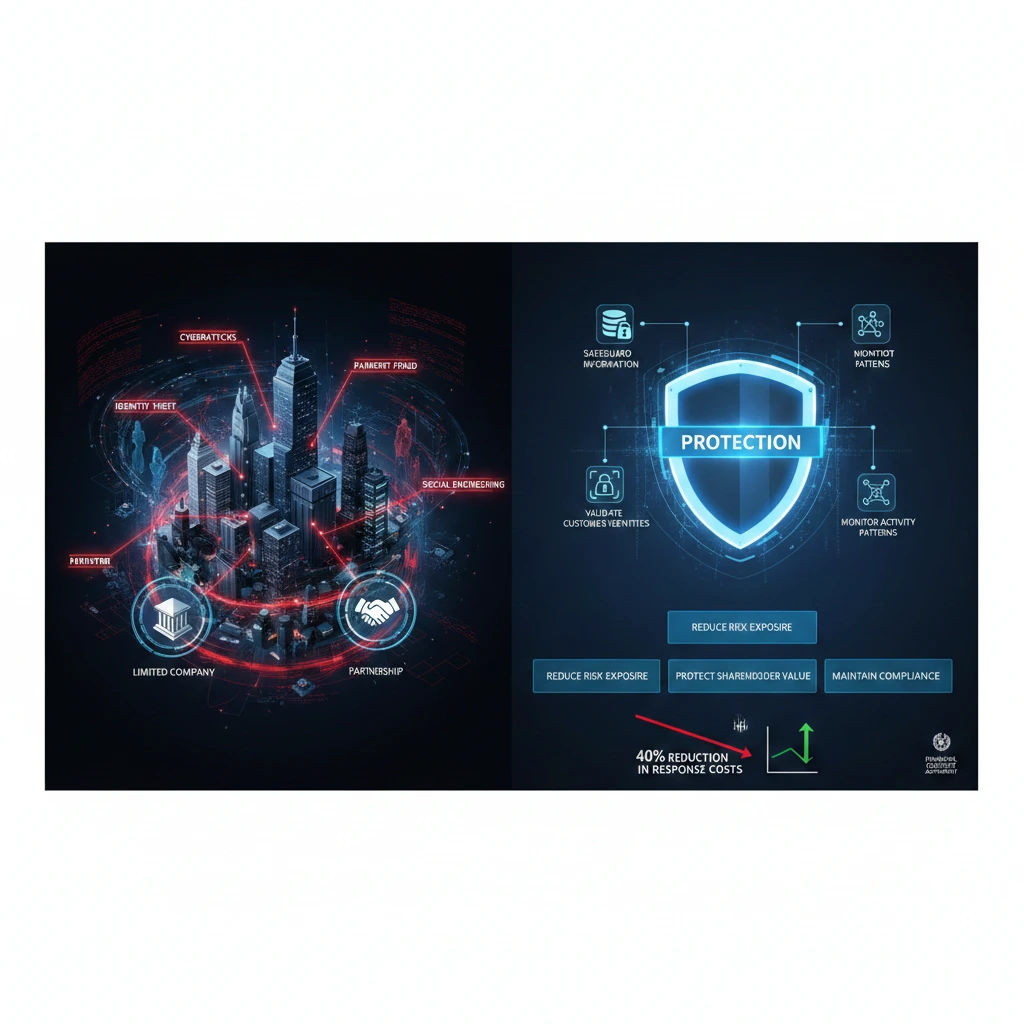
Business fraud has grown more sophisticated, spanning cyberattacks, identity theft, payment fraud, and social engineering. Whether operating as a limited company or a partnership, every enterprise faces potential threats from malicious actors exploiting digital vulnerabilities.
Fraud protection services safeguard business information, validate customer identities, and monitor activity patterns that may signal anomalous behaviour. By integrating these solutions early, businesses can reduce risk exposure, protect shareholder value, and maintain compliance with data regulations.
A preventive approach not only counters fraud but also builds trust with customers and financial institutions. According to Financial Conduct Authority reports, early fraud detection can reduce response costs by over 40%, a testament to the value of investing in structured protection strategies.
The Core Types of Fraud Protection Services
Let’s examine the major categories of fraud protection that help secure a business from multiple threat vectors.
Identity Verification and Authentication Services
Identity verification ensures that business interactions whether during account creation, transactions, or document approvals are legitimate. These systems use tools such as:
- Know Your Customer (KYC) checks to verify individual or business credentials
- Multi-factor authentication (MFA) to strengthen login security
- Biometric verification like facial or fingerprint identification
For companies handling client onboarding or digital registrations, these identity measures prevent account takeovers and help ensure compliance with anti-money laundering (AML) regulations.
Transaction and Payment Monitoring Systems
Transaction monitoring forms the backbone of financial fraud prevention. These platforms assess real-time transactions to detect anomalies that could indicate fraudulent activity such as unusual purchasing volumes, device mismatches, or cross-border inconsistencies.
Such services typically rely on:
- Machine learning algorithms that detect new fraud trends
- Automated flagging systems for suspicious payments
- Risk scoring models to evaluate individual transactions
Implementing proactive payment monitoring enhances both customer confidence and bank compliance, particularly for e-commerce or finance-driven firms.
Data Protection and Cybersecurity Solutions
Strong data security frameworks serve as the digital shield for a company. They focus on protecting stored and transmitted data from breaches or unauthorised access.
Core components include:
- Firewalls, intrusion detection systems, and endpoint encryption
- Secure cloud storage compliant with GDPR and ISO standards
- Automated patch management and access logging
A well-managed cybersecurity infrastructure ensures that sensitive information—such as client records, employee data, or financial logs remains safe from internal misuse or external cyberattacks.
Business Identity Protection Services
Business identity theft occurs when fraudsters impersonate a legitimate company to open accounts, apply for loans, or mislead clients. Business identity protection services continuously monitor official databases, online directories, and credit reports for signs of impersonation or unauthorised activity.
These systems detect false company filings, unusual credit enquiries, and unauthorised use of business credentials. They are particularly crucial for companies registered in digital business environments such as the UK’s Companies House database.
To explore how these defences integrate with company formation and compliance, Form My Company details this process on its dedicated Fraud Protection Service page outlining how professional monitoring prevents identity theft and data exploitation across legal and operational layers.
Regulatory and Compliance Monitoring
Modern businesses must meet strict anti-fraud and data governance standards. Regulatory compliance services ensure that a company’s internal policies align with laws such as:
- UK’s Data Protection Act 2018 and GDPR
- Financial Conduct Authority (FCA) guidelines
- Anti-Money Laundering (AML) regulations
Compliance technology regularly scans transactions and document processes to detect breaches or lapses. This layer not only prevents regulatory penalties but also reassures clients that the company operates with full transparency and accountability.
How Fraud Protection Services Work Together
Effective fraud protection isn’t one tool it’s an ecosystem. Identity verification, transaction monitoring, and compliance functions complement each other across business operations.
For instance, a new business account application may trigger identity verification, followed by transaction monitoring to validate real-time behaviour. If an anomaly arises, automated alerts notify compliance officers. This integrated structure improves response time and accuracy, reducing false positives and financial losses.
Form My Company integrates similar modular systems for startups and established entities alike, ensuring that fraud prevention scales with business growth.
Benefits of Multi-Layered Fraud Protection
Adopting several fraud protection layers offers measurable advantages:
- Operational continuity: Reduces disruption from fraud investigations or data recovery.
- Financial stability: Prevents costly chargebacks, fines, and losses.
- Reputational integrity: Builds trust among banks, investors, and clients.
- Compliance resilience: Keeps the company continuously aligned with updated legal frameworks.
When applied proactively, these systems transform fraud prevention from a defensive measure into a strategic asset that enhances overall corporate governance.
Fraud Protection in the Digital Business Landscape
Online-first businesses, especially those operating across borders, are prime targets for sophisticated fraud schemes. Remote registration processes, digital signatures, and cloud-based accounting increase convenience but also amplify risk.
Businesses using platforms like Form My Company benefit from fraud screening integrated directly into formation and management steps. This includes identity verification of directors, validation of company addresses, and security checks during official filings.
To understand how proactive fraud protection reduces risk, you can explore the related article, How Fraud Protection Reduces Business Identity Theft Risks, which dives deeper into detection tactics and prevention outcomes for UK-registered entities.

Emerging Trends in Fraud Protection
The next generation of fraud protection is powered by AI, behavioural analytics, and blockchain transparency.
- Artificial intelligence spots evolving threats faster than manual systems.
- Behavioural analysis recognises deviations in human or system actions.
- Blockchain verification authenticates digital assets and transactions securely.
Automation and predictive analytics now allow early prevention rather than post-incident response. For example, predictive monitoring can identify high-risk users before fraud actually occurs, reducing potential damages significantly.
Emerging compliance technologies also support sustainability and governance monitoring, aligning fraud protection with broader ESG objectives.
Implementing Fraud Protection in Company Formation
During company formation, founders often focus on registration and documentation but fraud prevention should be embedded at this stage. Implementing fraud safeguards early ensures that official details, business identities, and financial credentials remain protected from impersonation or exploitation.
Professional providers like Form My Company integrate fraud protection solutions directly into their business setup services. This streamlines compliance checks and ensures ongoing monitoring throughout a company’s lifecycle.
For those planning to implement professional security measures, see Start Fraud Protection for Your Business in Simple Steps, which outlines how to begin using secure digital systems for verification and protection.
Fraud protection is no longer optional it’s a fundamental layer of trust in the digital economy. From identity verification to compliance alignment, each service plays a vital role in keeping a business resilient against complex threats.
Form My Company provides fully integrated Fraud Protection Services designed for transparency, legal compliance, and peace of mind. By combining technology with expert oversight, businesses gain both security and strategic advantage in a competitive landscape.
What does business fraud protection involve?
Business fraud protection involves using monitoring, verification, and compliance systems to detect and prevent fraudulent activities such as identity theft, data breaches, and financial scams. From My Company provides fraud protection solutions that help secure corporate records and digital transactions from unauthorized use.
Why is fraud protection important for small businesses?
Fraud protection is essential for small businesses because they often lack the internal controls of larger enterprises, making them more vulnerable to scams and identity theft. Implementing From My Company’s fraud protection services helps safeguard sensitive business data and maintain trust with partners and clients.
How do fraud protection services detect suspicious activity?
Fraud protection systems use advanced analytics, real-time transaction monitoring, and pattern recognition to identify unusual or high-risk behaviour. From My Company’s fraud protection solutions integrate these tools to flag inconsistencies before they escalate into major losses.
Can fraud protection help prevent business identity theft?
Yes, fraud protection plays a key role in preventing business identity theft by continuously monitoring company data and registration details for unauthorized changes. From My Company’s fraud protection services alert business owners to suspicious filings or attempts to misuse corporate information.
What types of fraud can fraud protection services address?
Fraud protection services can manage multiple risks, including payment fraud, cyberattacks, account takeovers, and data manipulation. From My Company’s comprehensive fraud protection framework provides layered safeguards designed to protect every stage of business operations.