
A professional, well-designed environment signals credibility, confidence, and class. The right atmosphere doesn’t just host meetings it strengthens how clients, partners, and stakeholders perceive your brand.
In today’s competitive business landscape, a company’s brand image extends far beyond its logo, website, or marketing materials. It lives and speaks through the physical environments where decisions are made, ideas are exchanged, and relationships are built. Everything from your office design to your conference room facilities communicates the values, culture, and quality standards of your organisation.
For companies seeking to impress clients, retain top talent, or position themselves as industry leaders, creating the right environment is becoming a brand asset not an overhead.
Understanding the Link Between Space and Brand Identity
A strong brand identity relies on consistent experiences. The moment clients walk into your meeting spaces, they form lasting impressions.
A polished environment communicates reliability and professionalism, while a dated or disorganised one may unintentionally suggest the opposite. Whether you operate from corporate offices or book dedicated conference rooms, your environment should reflect the level of commitment and quality your business stands for.
When hospitality, design, and functionality align, every interaction in your space becomes a visual and emotional reinforcement of your brand promise.
The Psychology of Professional Environments
Research in environmental psychology shows that surroundings shape how people think, feel, and behave. Bright, well-lit spaces with modern amenities encourage concentration, while cluttered or noisy environments can cause anxiety and distraction.
Businesses that prioritise clean, inspiring, and technology-equipped environments foster confidence among employees and trust among clients.
For instance, using conference rooms services with ergonomic furniture, high-speed connectivity, and multimedia presentation tools can help teams collaborate effectively and position the company as forward-thinking.
How Environment Influences Stakeholder Perception
The environment plays a strategic role in shaping how stakeholders assess your credibility. When investors, regulators, or business partners attend a meeting in a refined, professional setting, they are likely to equate that level of sophistication with your operational excellence.
This is particularly relevant when hosting high-stakes meetings or launches. Your venue becomes a symbolic extension of your management standards and brand reliability. The service quality, ambiance, and spatial layout can all act as silent ambassadors for your corporate values.
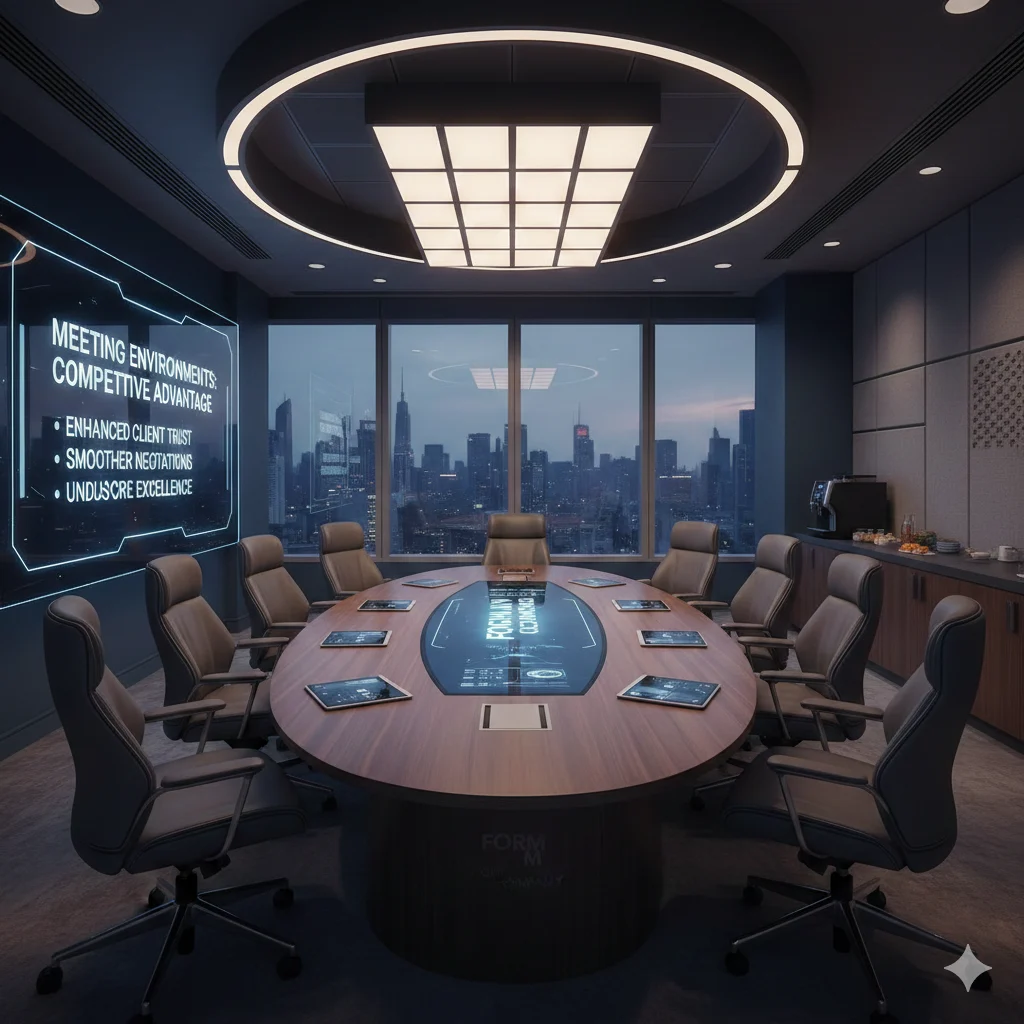
Meeting Environments as a Competitive Advantage
Today, clients expect much more from business venues than mere functionality. They want an experience that reflects efficiency and comfort. This is where Form My Company’s Conference Rooms Services bring exceptional value providing secure, business-ready spaces that help organisations look and perform their best.
Hosting key discussions in a premium conference environment can enhance client trust, facilitate smoother negotiations, and underscore your company’s attention to excellence.
Your choice of space, therefore, isn’t logistical it’s strategic. It can determine whether your brand feels inspiring or indifferent.
From Design to Delivery: Elements That Matter Most
A company’s physical presentation can either reinforce or dilute its brand identity. Some critical environmental factors include:
- Interior design: Modern layouts, balanced lighting, and subtle branding elements create a professional yet comfortable atmosphere.
- Technology and tools: Integrated screen displays, stable internet, and hybrid meeting setups show readiness for modern business needs.
- Accessibility: Convenient locations, secure parking, and efficient entry systems add to client satisfaction and perception.
- Ambience: Temperature, acoustics, and décor subtly influence focus and impression.
Together, these factors form the tangible layer of your corporate personality.
Why Consistency Across Spaces Matters
Consistency is the foundation of trust. A brand’s tone, messaging, and experience should feel coherent across all touchpoints digital or physical.
If your company invests heavily in a polished website but hosts client meetings in underwhelming environments, cognitive dissonance occurs. The mismatch weakens authenticity.
Likewise, if all your conference spaces exude the same level of quality, color scheme, and comfort, the brand narrative becomes stronger and more believable.
This consistency not only boosts brand recall but reassures clients that your attention to detail extends beyond your marketing into real-world operations.
Choosing Between Hotels and Dedicated Conference Rooms
When planning important meetings or events, businesses often face a common decision: should they use hotel meeting facilities or book dedicated conference rooms?
Hotels can offer convenience, especially when events require accommodation. However, dedicated conference venues provide focused business environments free from tourist distractions or hospitality noise.
If you’d like a deeper comparison between the two, our detailed guide Premium Hotels vs. Dedicated Conference Rooms: Which is Better? explores which choice aligns best with different business needs.
Dedicated venues often prioritise soundproofing, privacy, and layout efficiency. They cater specifically to executives, teams, and board members who value discretion, time management, and brand image consistency.
How the Right Space Boosts Team Morale
Your company’s physical environment doesn’t only impress clients it energises employees. Modern workspaces and meeting areas boost creativity, cooperation, and loyalty. When employees feel proud of where they work and meet, they naturally convey that positivity to clients.
In contrast, uninspiring or cramped meeting environments can cause fatigue and disengagement. A well-designed conference room facility offers more than seating and screens; it fosters purpose and belonging.
High morale among teams translates into improved customer service and stronger advocacy for the company brand.
Environmental Branding in Action
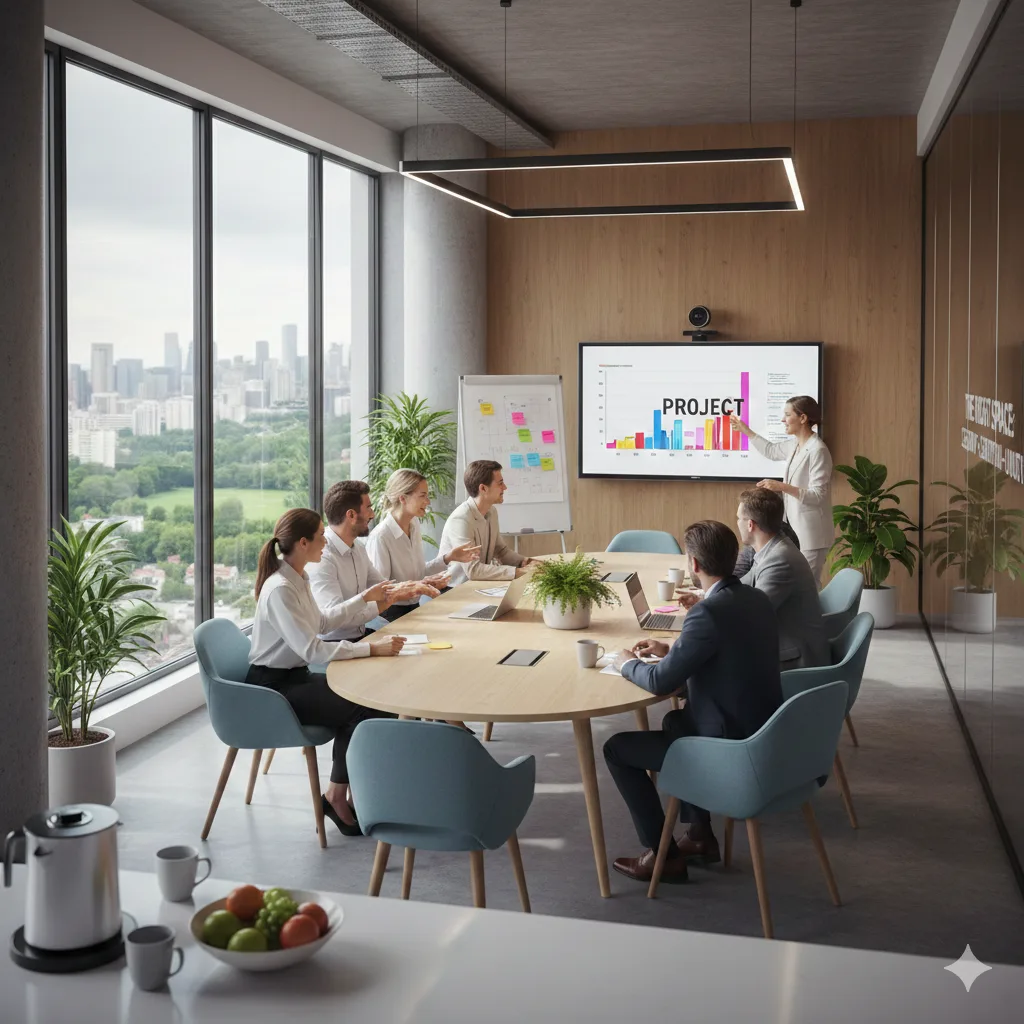
Environmental branding is the practice of aligning tangible spaces with corporate identity. For example, a sustainability-focused company may use recycled materials, natural lighting, and biophilic design to communicate ecological responsibility.
Similarly, a technology firm might adopt sleek, minimalist conference room designs equipped with smart devices and interactive displays to reflect innovation and agility.
Every design element from floor plan to signage can narrate your brand story more effectively than words alone.
Creating Environments That Inspire Confidence
Brand image is strengthened when stakeholders consistently experience professionalism. Form My Company understands this and designs Conference Rooms Services with branding, convenience, and business performance in mind.
Our facilities support productive meetings, secure networking, and executive presentations. Each space combines aesthetics with functional detail, ensuring every encounter reinforces your corporate credibility.
If you want to explore the ultimate in business hospitality experiences, consider reviewing Impress Your Stakeholders with Form My Company’s Luxury Venues a helpful next step in choosing the perfect setting for high-level meetings.
Turning Environment into a Growth Asset
The right environment isn’t just about making a good impression it’s about creating measurable advantages. Companies that use curated spaces for meetings and events often report:
- Higher client satisfaction scores
- Stronger stakeholder engagement
- Improved deal conversion rates
- Enhanced brand consistency across touchpoints
By associating your brand with clean, accessible, and inspiring environments, you amplify its perceived value and longevity.
Just as digital presence builds visibility online, physical spaces shape visibility offline both are foundational to long-term brand success.
In the end, your company’s environment operates as a silent partner in brand communication. Every design detail, location choice, and conference experience reinforces who you are and what you stand for.
Form My Company helps transform these spaces into strategic tools blending comfort, purpose, and brand alignment in every setting.
When perception meets performance, your environment stops being a cost and evolves into your most persuasive brand ambassador.
What are conference calls used for in business communication?
Conference calls are used to connect multiple participants for meetings, presentations, or discussions in real time, without needing physical travel. They streamline communication for remote teams, clients, and partners, ensuring quick decision-making and cost efficiency.
How does Form My Company ensure secure and reliable conference calls?
Form My Company provides conference call services with encrypted connections and high-quality audio systems to maintain confidentiality and clarity. The platform supports corporate-grade privacy standards and stable network integration for uninterrupted communication.
What features should a professional conference call service include?
A reliable conference call service should include features like multi-user access, screen sharing, call recording, and noise control. These tools enhance collaboration and ensure seamless communication during corporate meetings or client discussions.
How do conference calls improve team collaboration?
Conference calls allow teams to discuss projects, share updates, and make real-time decisions without geographic barriers. This immediate interaction improves coordination, productivity, and engagement across distributed teams.
Can conference call services integrate with other business tools?
Yes, modern conference call systems often integrate with productivity tools like email, calendars, and project management software. Form My Company’s conference call solutions are designed for compatibility with enterprise systems, ensuring efficient scheduling and record management.