

Serviced offices unlock hidden perks for remote teams by providing flexible hot-desking, prestigious registered office addresses, and professional meeting spaces that boost collaboration without fixed overheads. They streamline Companies House compliance and VAT/PAYE administration while fostering team cohesion through on-demand access to shared facilities. UK startups and scale-ups save 30-50% on costs compared to traditional leases, gaining agility essential for distributed business structures.
Remote work has reshaped UK business landscapes, with over 40% of companies operating hybrid models in 2026, yet many struggle with isolation, compliance, and growth hurdles. Serviced offices fully managed spaces offering short-term access to desks, lounges, and boardrooms emerge as a perfect hybrid solution, blending the freedom of remote setups with professional infrastructure. For directors and shareholders navigating company formation, these venues double as registered offices, ensuring seamless Companies House filings while projecting credibility to clients and banks.
Beyond surface-level convenience, serviced offices hide perks like built-in networking, wellness facilities, and administrative support that directly impact team morale and productivity. A Manchester marketing agency, for instance, transitioned its 15-person remote team to serviced hot-desking, cutting churn by 25% and landing key contracts thanks to the prestigious address. This guide reveals these under-the-radar advantages, tailored to UK legal contexts including VAT reclaim, PAYE onboarding, and director duties.
Step-by-Step: Integrating Serviced Offices into Remote Operations
Adopting serviced offices requires a methodical rollout to maximise hidden value.
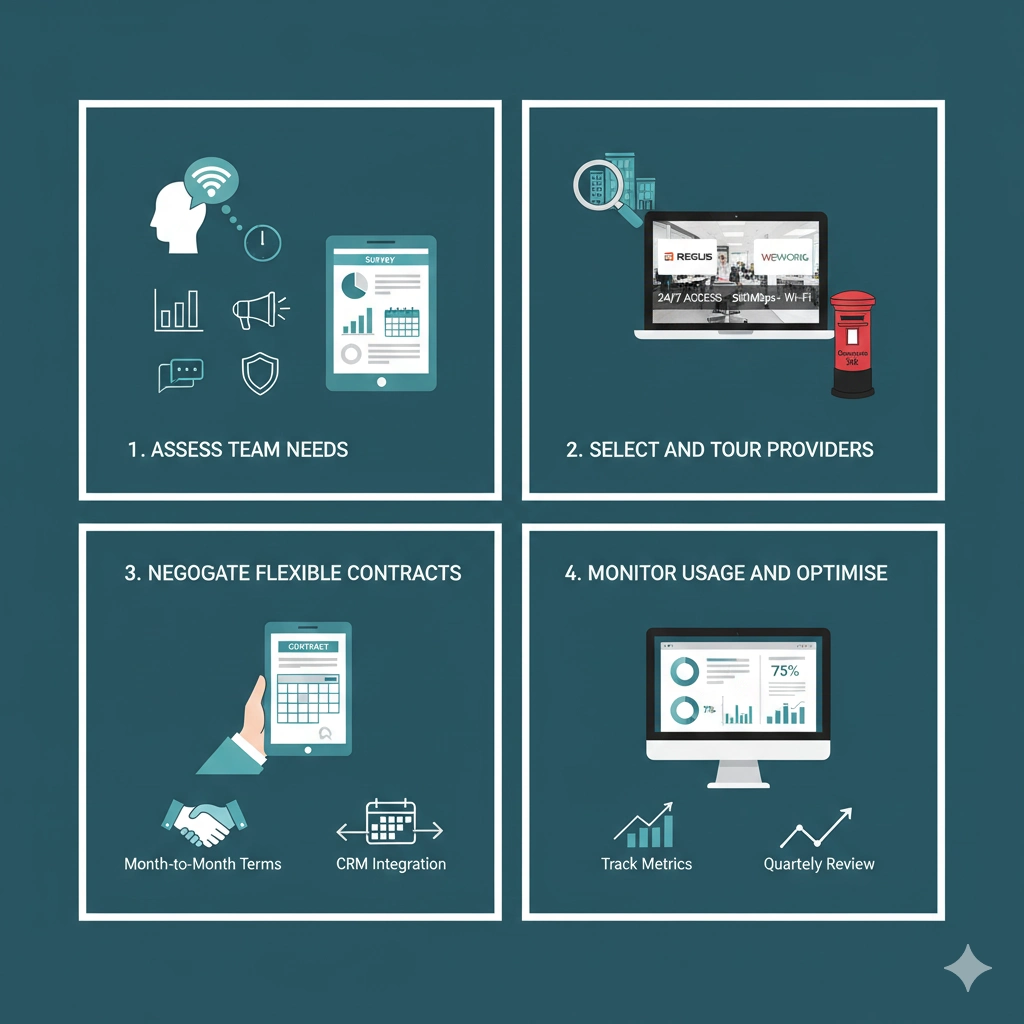
1. Assess Team Needs and Set Objectives
Begin by surveying your remote workforce: identify pain points like Zoom fatigue, compliance training gaps, or ad-hoc collaboration needs. Map requirements hot-desks for 20% weekly usage, boardrooms for quarterly shareholder meetings, or lounges for informal check-ins. Align with business milestones, such as post-formation VAT registration where a professional address aids HMRC approvals.
Budget realistically: £300-£600/person/month for premium access, far below traditional leases.
2. Select and Tour Providers
Target operators like Regus, WeWork, or local virtual office hybrids in growth hubs (London EC1, Bristol Harbourside). Prioritise 24/7 access, high-speed Wi-Fi (500Mbps+), and bundled services like mail handling for Companies House correspondence. Virtual tours reveal acoustics, natural light, and ergonomics crucial for sustained remote worker visits.
3. Negotiate Flexible Contracts and Onboard
Secure month-to-month terms with scaling options; integrate CRM for booking. Onboard via team sessions, emphasising perks like kitchen networking that rebuild culture.
4. Monitor Usage and Optimise
Track metrics (occupancy, feedback) quarterly, adjusting for PAYE growth or shareholder expansions.
Benefits and Potential Risks
Serviced offices offer transformative, often overlooked advantages for remote teams.
Hidden Benefits Unveiled
Networking serendipity stands out: Shared spaces spark partnerships, e.g., a Leeds fintech connected with investors in the lounge, securing £750k funding. Wellness perks like gyms and quiet pods combat remote burnout, improving retention by 20%. Administrative ease shines: On-site reception handles calls, freeing focus for core work while serving as director service addresses.
Compliance integration is subtle yet powerful: Prestigious postcodes validate bank applications and investor pitches, essential post-company formation. Scalability allows seamless PAYE expansions without relocation. Cost-wise, all-inclusive bills (rent, utilities, cleaning) simplify forecasting, with VAT recovery on 20% fees.
Potential Risks
Premium pricing risks overspend if underutilised; cultural mismatches arise if spaces feel impersonal. Dependency on provider uptime demands robust SLAs.
Legal and Compliance Considerations
Serviced offices align perfectly with UK corporate mandates.
Companies House and HMRC Synergies
Designated addresses qualify as registered offices, receiving statutory mail securely critical for annual confirmations and tax notices. Directors protect privacy via service addresses, complying with data protection laws. VAT-registered firms reclaim fees effortlessly; PAYE setups benefit from professional facades impressing HMRC inspectors.
For shareholder meetings, soundproof boardrooms ensure confidentiality under Companies Act duties. GDPR holds via secure Wi-Fi and CCTV; providers often assist PSC register maintenance.
Multi-jurisdictional teams gain legitimacy, avoiding “nomadic” perceptions that hinder funding.
Common Mistakes to Avoid
Remote leaders often trip on these pitfalls.
1. Underutilising Membership Perks
Booking only desks ignores lounges/gyms, wasting 40% value. Mandate weekly visits for culture.
2. Ignoring Location Prestige
Suburban choices lack cachet for Companies House credibility or investor meets—opt central.
3. Neglecting Contract Fine Print
Overlooking notice periods traps scaling teams; scrutinise dilution fees.
4. Failing Compliance Integration
Using spaces sans mail services risks missed HMRC deadlines—bundle registered office.
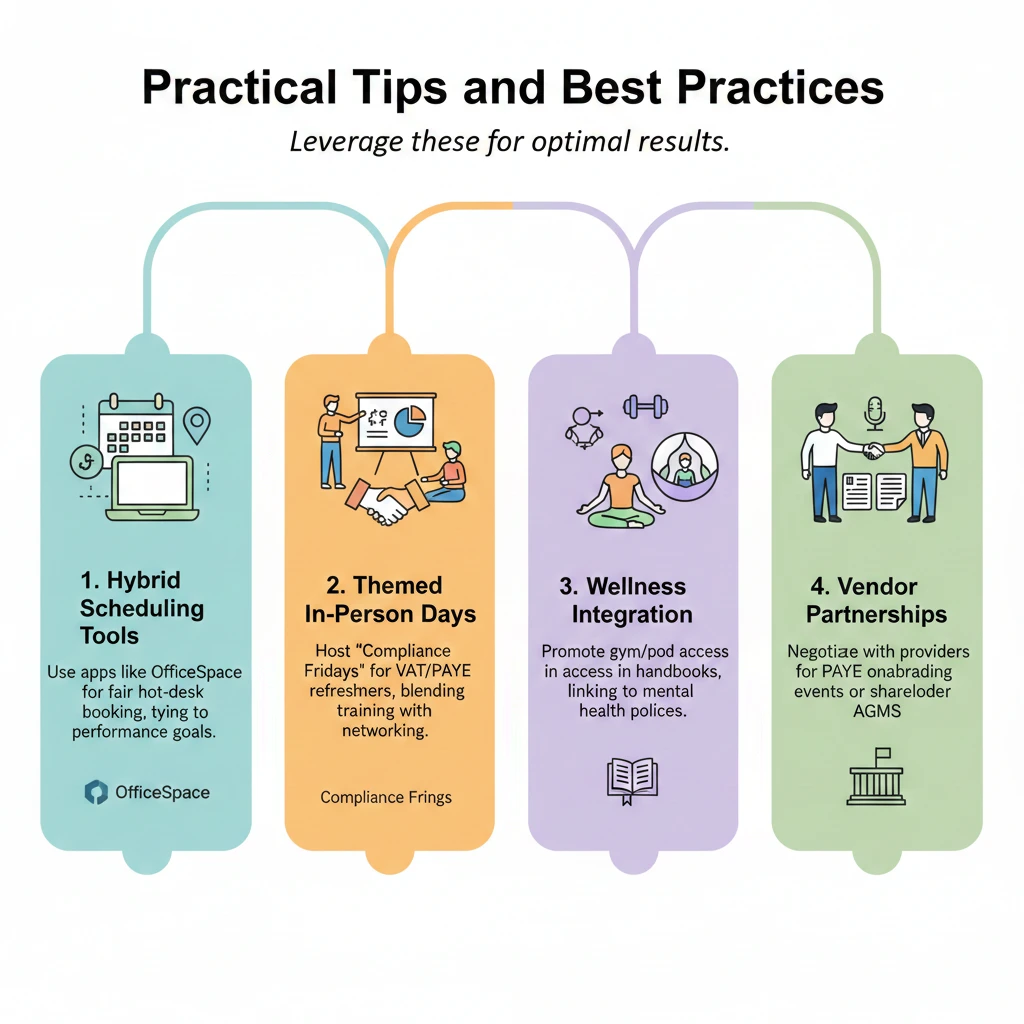
Practical Tips and Best Practices
Leverage these for optimal results.
1. Hybrid Scheduling Tools
Use apps like OfficeSpace for fair hot-desk booking, tying to performance goals.
2. Themed In-Person Days
Host “Compliance Fridays” for VAT/PAYE refreshers, blending training with networking.
3. Wellness Integration
Promote gym/pod access in handbooks, linking to mental health policies.
4. Vendor Partnerships
Negotiate with providers for PAYE onboarding events or shareholder AGMs.
Serviced offices reveal hidden perks like networking, wellness, and compliance ease, supercharging remote team success. They bridge isolation with professionalism, vital for UK company growth.
If you’re ready to register your company with confidence, Form My Company provides fast, fully online company formation with expert compliance support. From serviced offices and virtual solutions to VAT & PAYE registration, our specialists handle it all. Get started today and let our team manage the details while you focus on growing your business.
Frequently Asked Questions
Can serviced offices serve as a registered office for Companies House?
Yes, most provide compliant physical addresses with mail handling, ideal for remote teams ensuring statutory document receipt.
Are fees VAT-reclaimable for remote businesses?
Absolutely, standard 20% VAT on inclusive services qualifies for registered companies, simplifying reclaim processes.
How do serviced offices help with PAYE compliance?
Professional spaces host training, impress HMRC, and offer addresses for payroll correspondence.
What if my remote team rarely visits?
Flexible plans allow pay-per-use; focus on occasional high-impact days for maximum ROI.
Do they support shareholder meetings?
Yes, boardrooms with AV ensure confidential, compliant discussions under UK governance rules.