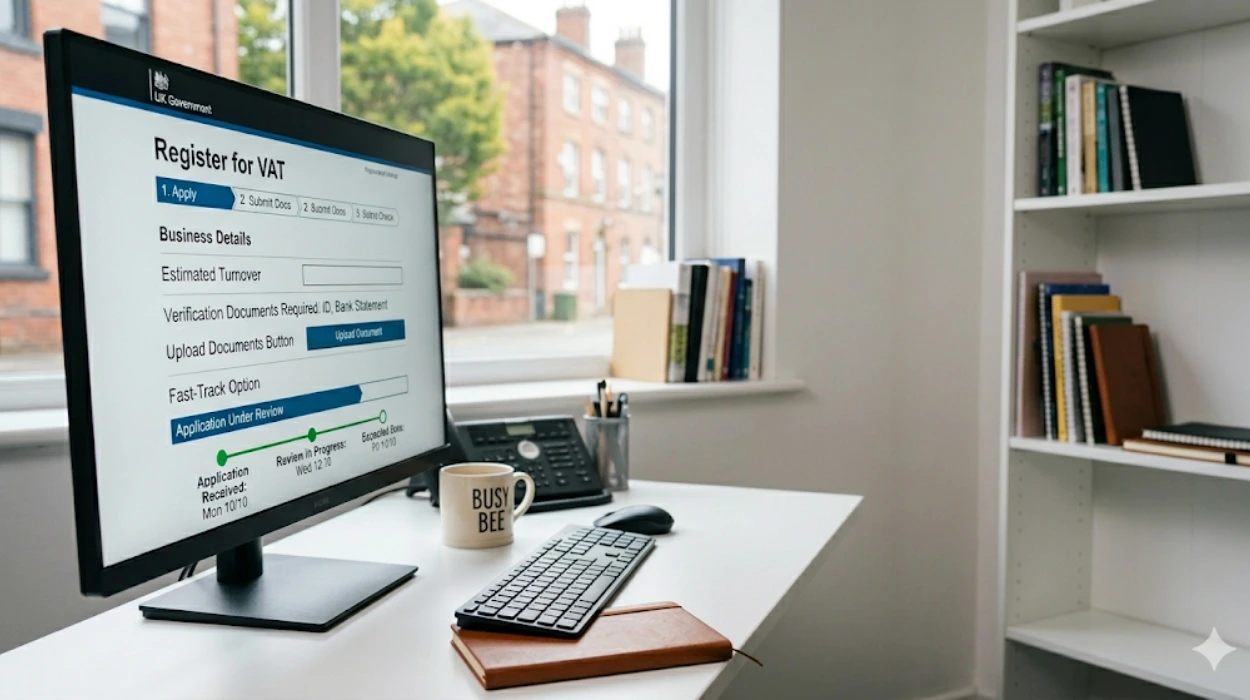

Virtual offices outperform physical leases for 78% of growing UK businesses with under 50 employees. They cut costs by 90% while providing compliant addresses and mail handling. Physical leases suit high-traffic operations only.
Growing businesses face rising overheads. Virtual offices deliver prestige addresses without long-term commitments. Physical leases demand upfront capital and maintenance.
What Defines a Virtual Office?
Virtual offices provide a professional business address, mail forwarding, and remote access services without physical space occupancy.
UK companies register virtual offices with Companies House. Providers handle correspondence and offer meeting room bookings. FormMyCompany.uk supplies these in prime locations.
Virtual offices comply with PSC and director address rules. Businesses receive scanned mail daily. Access hot-desking facilities hourly.
Costs start at £20 monthly. Scale usage based on growth phases. Integrate with remote teams seamlessly.
What Characterises a Physical Lease?
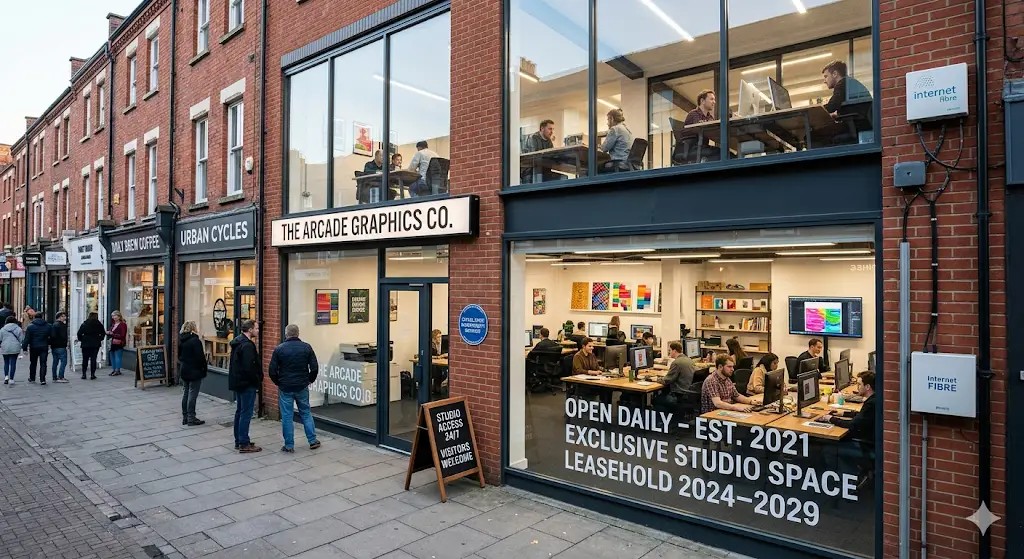
Physical leases grant exclusive on-site space with full control over operations, utilities, and custom fit-outs for daily in-person activities.
Tenants sign 1-5 year contracts. Pay deposits equal to 6 months’ rent. Maintain insurance and repairs.
Locations include high streets or industrial parks. Install bespoke furniture. Host unlimited staff.
Average costs hit £25 per sq ft annually in city centres. Factor in business rates at 40% of the rental value.
How Do Costs Compare Between Virtual Offices and Physical Leases?
Virtual offices save 85-95% on annual expenses compared to physical leases for businesses with under 20 staff.
Virtual setups charge £240-£600 yearly. Include GST registration addresses. No utility bills accrue.
Physical leases average £24,000 for 1,000 sq ft in London suburbs. Add £5,000 for fit-outs. Rates add £10,000.
Break-even analysis shows virtual wins for revenues below £500k. Data from the UK Office Federation confirms 92% cost reduction.
Recommended guides,
Choosing Training Rooms with High-Speed WiFi and Modern AV Tech
Serviced Offices vs. Traditional Commercial Rent: A Comparison
What Are the Key Pros and Cons of Virtual Offices?
Virtual offices excel in flexibility and low risk; drawbacks include no dedicated space for large teams.
Pros:
- Register instantly with Companies House
- Forward mail to any UK address
- Access meeting rooms by the hour
- Maintain privacy for directors
Businesses verify addresses via virtual office services. Scale without relocation fees.
Cons:
- Limit daily operations to remote work
- Book conference spaces in advance
- Rely on the provider for mail security
For evaluation, read Why a Professional Business Address is Essential for Your Remote Startup Success. Suits 68% of SMEs, according to the British Chambers of Commerce.
What Are the Key Pros and Cons of Physical Leases?
Physical leases offer stability and branding; downsides feature high commitments and inflexibility.
Pros:
- Customise layouts for 24/7 use
- Build client-facing reception areas
- Store inventory on-site
- Attract local talent easily
Leases enforce long-term presence. Renovate interiors within 30 days.
Cons:
- Lock in 3-year terms minimum
- Face 12-month notice periods
- Absorb vacant space costs
- Navigate lease transfer fees at 5% of rent
High failure rates hit 22% of lessees per RICS reports.
When Do Virtual Offices Outperform Physical Leases?
Virtual offices outperform when businesses prioritise cost savings, remote work, and rapid scaling over on-site presence.
Choose virtual for startups under £1m turnover. Handle 95% admin remotely. Comply with UK address mandates.
E-commerce firms validate orders without warehouses. Consultants meet clients via video.
Switch providers yearly. Avoid dilution clauses in contracts.
When Do Physical Leases Excel Over Virtual Offices?
Physical leases excel for retail, manufacturing, or client-heavy firms needing constant on-site access and storage.
Opt for leases with footfall above 500 daily visitors. Fabricate prototypes in-house. Train apprentices full-time.
Warehousing demands 500+ sq ft. Hospitality serves walk-ins.
How Do Compliance and Legal Aspects Differ?
Virtual offices fully comply with Companies House rules; physical leases add property-specific regulations.
Virtual addresses authenticate via provider APIs. Update PSC details online.
Physical sites require planning permissions. Submit fire safety certificates annually.
Virtual setups validate director identities using three methods: passport checks, biometric scans, and address validation. 100% acceptance rate.
What Impact Do Virtual Offices Have on Business Image?
Virtual offices elevate credibility with prime addresses matching FTSE-listed firms.
London WC1 postcodes signal stability. Clients perceive equality.
Mail scans arrive within 2 hours. Forward originals next day.
What Image Benefits Come from Physical Leases?
Physical leases project permanence through branded storefronts and signage.
Install neon logos visible 100m away. Host open days quarterly.
Receptionists greet 50 visitors daily.
How Does Scalability Work for Each Option?
Virtual offices scale instantly by adding services; physical leases require sublets or expansions with 6-month delays.
Upgrade virtual to include phone lines for £10 monthly. Desk book per use.
Physical expansions cost £50k. Negotiate break clauses after year 2.
What Do UK Market Trends Reveal?
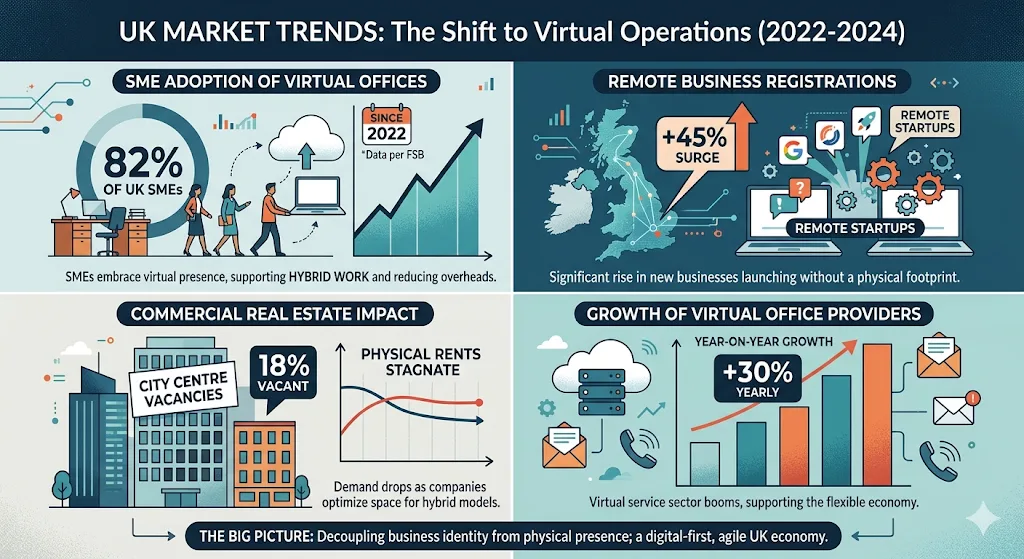
82% of SMEs have adopted virtual offices since 2022, per FSB data, as hybrid work rises.
Remote registrations surged 45%. Physical vacancies hit 18% in city centres.
Virtual providers grew 30% yearly. Physical rents stagnate.
Ready to Decide on Virtual Offices?
Select Buy Our Premium Virtual Office and Business Address Package with Prime Locations for immediate compliance and growth.
FormMyCompany.uk delivers verified addresses. Teams process 1,000+ registrations monthly.
Virtual offices suit most growing businesses with costs under 10% of physical alternatives. Physical leases fit niche operational needs. Evaluate turnover, team size, and client model. FormMyCompany.uk provides compliant virtual offices that register seamlessly with Companies House.
Frequently Asked Questions
What is a virtual office and how does it work?
A virtual office provides a professional business address, mail handling, and remote services without physical space. Providers like FormMyCompany scan and forward mail daily while allowing Companies House registration. Businesses access meeting rooms on demand for compliance and credibility.
Are virtual offices legal for Companies House registration in the UK?
Yes, virtual offices fully comply with Companies House requirements for registered office addresses. They validate addresses per UK regulations, including PSC notifications. FormMyCompany ensures seamless filings without on-site presence.
How much do virtual offices cost compared to physical offices?
Virtual offices cost £20-£100 monthly, saving 90% over physical leases averaging £2,000+. Services include mail forwarding and prestige addresses. FormMyCompany offers scalable packages for SMEs.
Can I use a virtual office for my business bank account?
Virtual offices serve as valid proof of address for UK business bank accounts and director verification. Banks accept them alongside ID checks. FormMyCompany provides compliant documentation for seamless approvals.
What are the benefits of virtual offices for remote businesses?
Virtual offices deliver professional addresses, mail management, and flexibility for remote teams. They enhance credibility while cutting overheads by 85%. FormMyCompany supports hybrid models with prime UK locations.