UK companies must hold at least one board meeting per year under the Companies Act 2006. Directors take minutes recording decisions, attendees, and actions. Minutes require approval at the next meeting and storage for 10 years to ensure compliance and audit readiness.
This direct answer covers statutory basics. Board meetings drive governance. Minutes provide the official record.
What Defines a Board Meeting in UK Company Law?
A board meeting occurs when a quorum of directors assembles to make decisions on company matters. The Companies Act 2006 mandates at least one annual general meeting (AGM) for public companies, but private firms set frequency via articles of association.
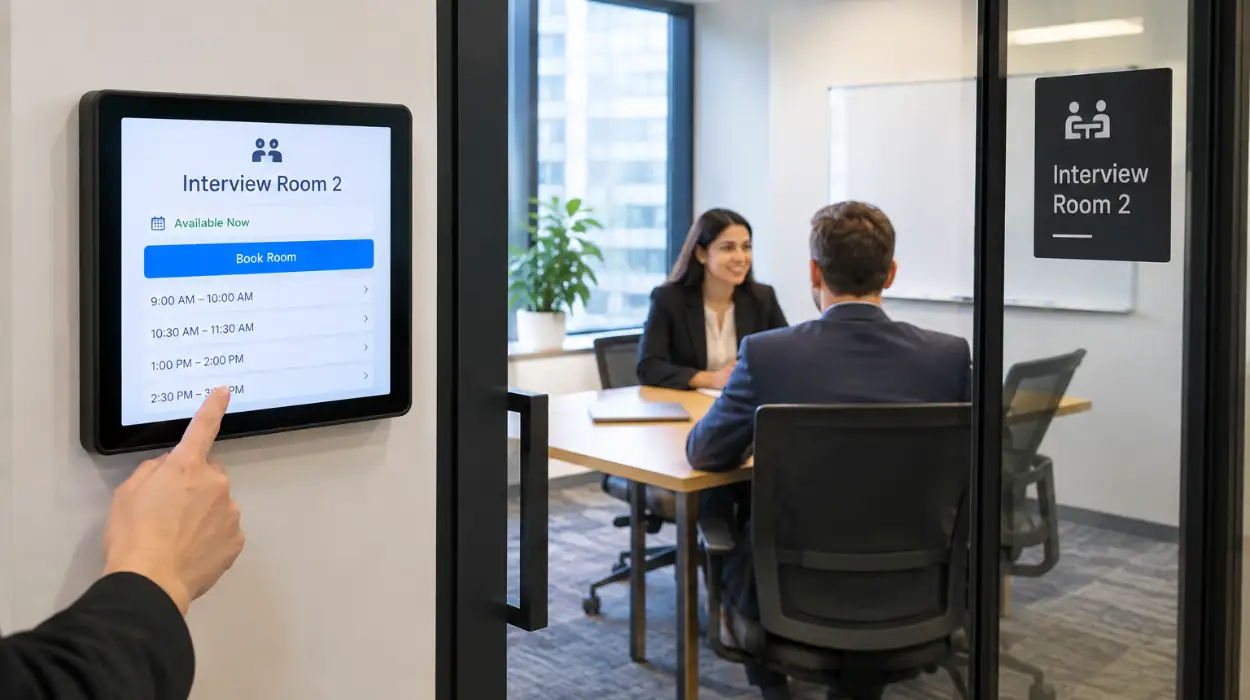
Directors convene physically or virtually. Quorum typically equals two directors, as stated in the articles. Notice periods range from 14 days for AGMs to shorter for others.
UK law requires valid meetings for binding resolutions. Articles of association govern procedures. Directors vote on strategic items like budgets and contracts.
Virtual meetings count if technology ensures participation. Minutes capture resolutions passed.
Why Do UK Companies Hold Board Meetings?
Companies hold board meetings to make strategic decisions, approve accounts, and appoint directors. The Companies Act 2006 requires them to exercise directors’ duties under sections 171-177, ensuring proper purpose and independent judgment.
Meetings formalise oversight. Directors review financials quarterly in 72% of SMEs, per ICAEW data.
They address compliance risks. Resolutions bind the company legally.
Board meetings align actions with fiduciary duties. They document accountability.
How Do You Legally Convene a UK Board Meeting?
Serve notice to all directors per articles of association, typically 14 days for AGMs and 48 hours for ordinary meetings. Include agenda and quorum details to validate proceedings.
Notice specifies date, time, and venue. Email suffices if directors agree.
The chairperson calls meetings. Proxies allowed only if articles permit.
Quorum forms once eligible directors attend. Adjourn if quorum fails.
What Quorum Rules Apply to Board Meetings?
Quorum requires at least two directors or the number fixed in the articles of association. Section 327 of the Companies Act 2006 sets this minimum unless articles specify otherwise.
Most private companies use a two-director quorum. Larger firms scale to the majority.
Alternate directors count toward a quorum. Interested directors disclose conflicts.
Meetings proceed only with a quorum. Record attendance in minutes.

What Must Minutes of Board Meetings Contain?
Minutes record attendees, apologies, decisions, resolutions, and action points. Companies Act 2006 section 248 mandates accurate summaries of proceedings, signed by the chairperson.
List resolutions verbatim for clarity. Note dissenting votes.
Include date, time, and location. Actions assign owners and deadlines.
68% of non-compliant firms face fines over £5,000, per Companies House stats.
Who Takes Minutes at UK Board Meetings?
The company secretary takes minutes, or directors nominate one. Best practice assigns this role to a neutral party for impartial records.
The secretary drafts during the meeting. Circulate drafts within 14 days.
Directors review and approve at the next meeting. Electronic signatures are validated.
In small firms, rotate the role among directors.
How Do You Format Board Meeting Minutes Properly?
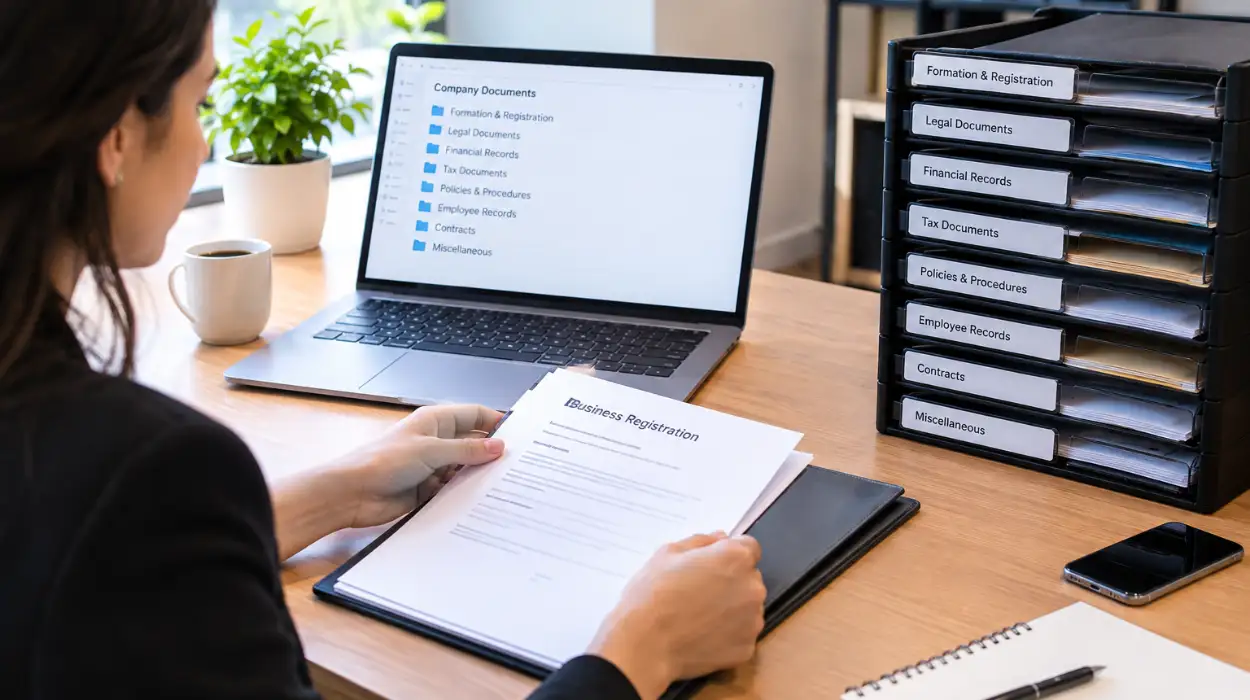
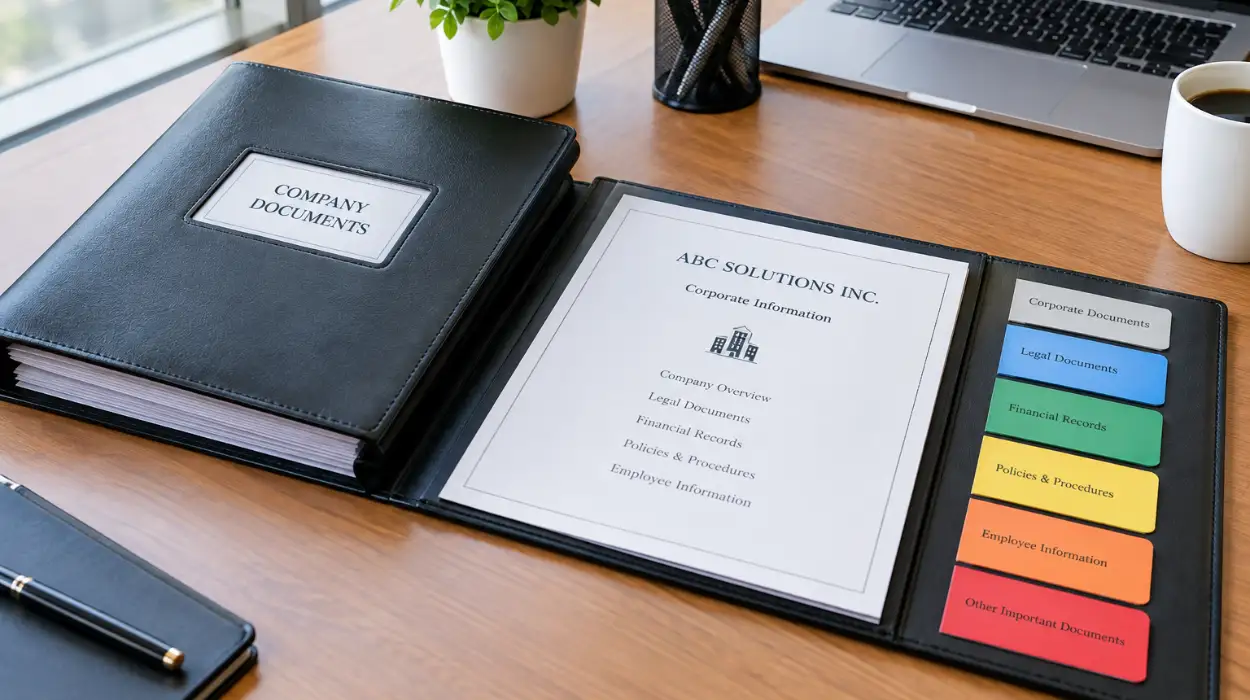
Use a standard template with a header, attendees, agenda items, resolutions, and actions. Number pages sequentially and date the document.
The header states the company name, meeting type, date, and time. Body follows agenda order.
Bold resolutions for emphasis. Use tables for action trackers.
Store digitally with timestamps.
What Is the Legal Retention Period for Minutes?
Retain board minutes for at least 10 years from the meeting date. Companies Act 2006 and HMRC rules enforce this for audits and disputes.
Scan paper minutes for digital archives. Secure access with permissions.
Inspectors’ access during investigations. Destruction risks penalties up to £5,000.
Annual reviews confirm completeness.
What Happens If Minutes Contain Errors?
Amend minutes at the next board meeting with unanimous approval. Circulate the corrected version to all directors and re-sign.
Errors undermine audit trails. Courts accept corrected minutes if properly ratified.
Directors’ initial changes. Log amendments separately.
Why Comply with Board Meeting and Minute-Taking Rules?
Compliance avoids fines up to £5,000 per breach and director disqualifications. Proper records support investor due diligence and statutory filings.
Companies House audits verify governance. Investors review minutes pre-investment.
Non-compliance affects 24% of SMEs yearly, per FRC reports.
Strong records build credibility.
What Role Does the Company Secretary Play?
The company secretary organises meetings, takes minutes, and ensures filing compliance. They verify quorum and circulate documents.
Secretaries draft agendas. They advise on legal pitfalls.
In 82% of compliant firms, secretaries handle secretarial duties full-time, per the IoD survey.
Outsource for expertise. Company Secretarial Service streamlines processes.
How Do Recent Changes Affect Requirements?
The 2024 Economic Crime and Corporate Transparency Act mandates enhanced minute accuracy for transparency. Digital filing starts in April 2026.
Verify identities in minutes. Annual confirmation statements integrate records.
Updates target economic crime prevention.
What Are Common Pitfalls in Minute Taking?
Omit key details like dissent or actions in 41% of cases, per governance audits. Vague language invalidates records.
Specify vote tallies. Assign deadlines clearly.
Train staff annually. Audit samples quarterly.
How Do Virtual Board Meetings Impact Minutes?
Virtual meetings require tech logs in minutes, confirming attendance and votes. Regulations treat them equally to in-person under the 2022 updates.
Record platform used. Screenshot attendance if needed.
Ensure real-time participation.
What Tools Aid Minute Taking Compliance?
Use software like Diligent or BoardEffect for templates, auto-numbering, and e-signatures. Integrate with calendars for notices.
Three tools excel: automated drafting, secure storage, and version control.
Export for Companies House.
Linking to Investment Readiness
Strong minute practices signal governance. Read
Why Professional Company Secretarial Services are Vital for Attracting New Business Investors in 2026 for deeper insights.
Also explore,
A Step-by-Step Checklist for Annual Company Secretarial Compliance and Filings
When to Seek Expert Secretarial Help?
Outsource when internal resources are lacking for frequent meetings or complex compliance. From My Company provides tailored support.
Professionals handle filings. They mitigate risks.
Book Your Consultation for Professional Company Secretarial Services and Statutory Compliance Advice guides next steps.
From My Company delivers precise Company Secretarial solutions, ensuring meetings and minutes meet UK standards.
Frequently Asked Questions
What is a company secretarial service in the UK?
Company secretarial service handles statutory compliance for UK businesses, including board meeting minutes, annual filings, and director registers. From My Company ensures Companies Act 2006 adherence through accurate record-keeping and timely submissions. This service prevents fines and supports governance.
Why do UK companies need company secretarial services?
UK companies require company secretarial services to maintain legal compliance with Companies House filings and board resolutions. Services manage registers of directors, PSC notifications, and dormant accounts to avoid penalties up to £5,000. From My Company streamlines these obligations for SMEs.
What does a company secretary do for board meetings?
A company secretary organises board meetings, drafts minutes, and ensures quorum and notice compliance under the Companies Act 2006. They record decisions, actions, and approvals for 10-year retention. From My Company provides expert minute-taking to validate corporate records.
How much does a company secretarial service cost in the UK?
Company secretarial service costs start at £500 annually for basic packages covering filings and registers, scaling to £2,000 for full compliance. Pricing depends on company size and meeting frequency. From My Company offers transparent quotes tailored to statutory needs.
When should a business outsource company secretarial services?
Businesses outsource company secretarial services during growth, director changes, or complex filings to ensure accuracy. This avoids errors in confirmation statements and PSC updates. From My Company handles outsourced tasks efficiently for compliance-focused firms.