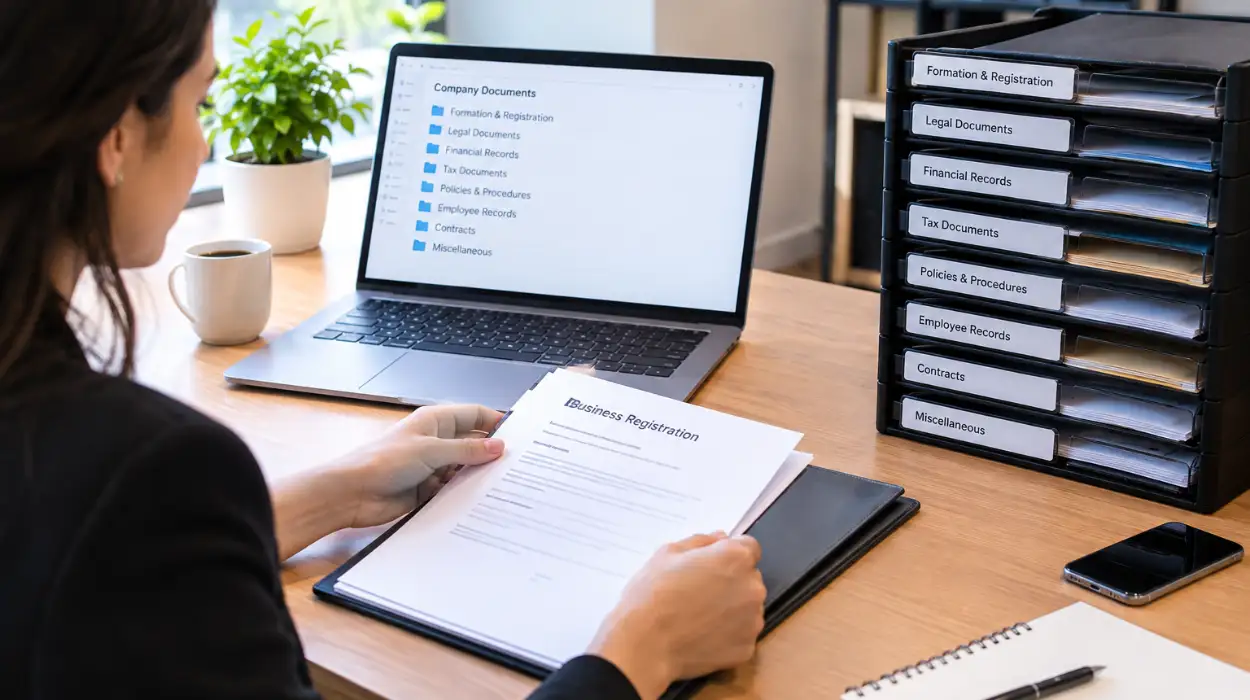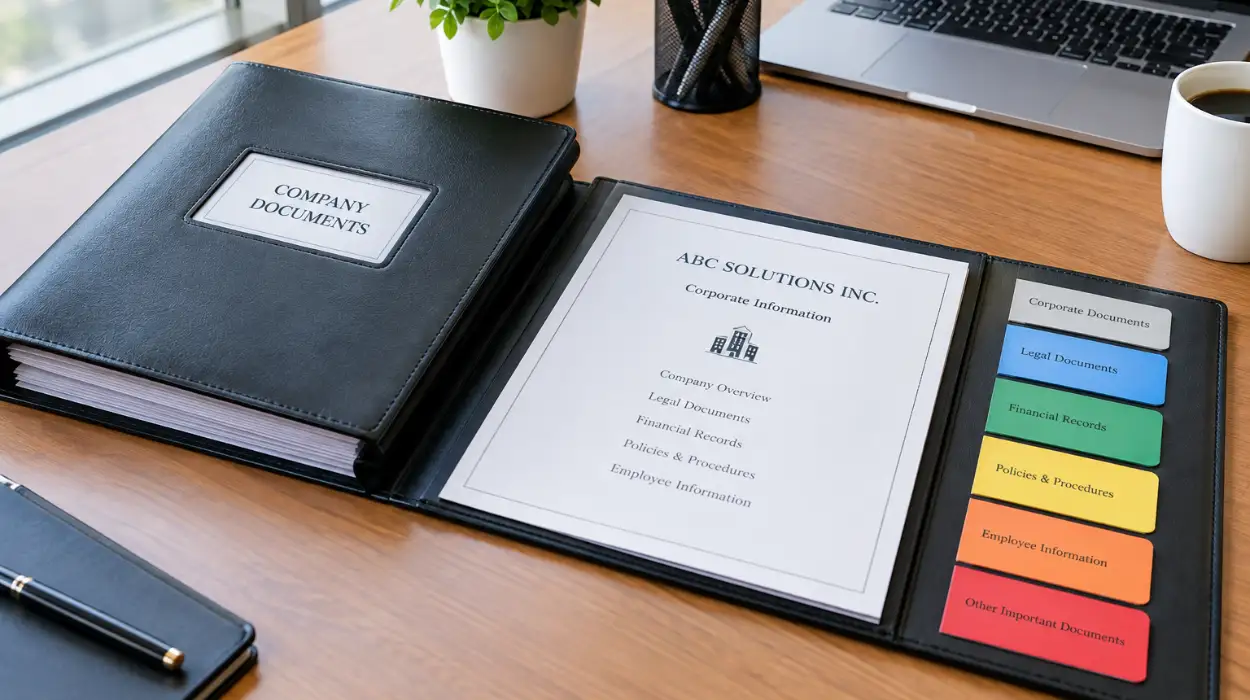
If your registered details, directors, PSCs, SIC codes, or share information are inaccurate, Companies House records are not up to date. A confirmation statement checks these details and confirms whether your company record remains correct.
Why does Companies House accuracy matter?
Accurate Companies House records support legal compliance, public trust, and smooth filing. Incorrect company information can trigger filing errors, compliance issues, and delays when banks, clients, or regulators review your business profile.
Companies House holds the official public record for every UK limited company. That record includes the registered office, directors, person with significant control details, shareholder structure, SIC code, and statement of capital. When those details change, the record must reflect the latest position.
The confirmation statement is the annual check on that record. It confirms whether the company information already held by Companies House is correct on the review date. It does not file company accounts. It validates the statutory record.
Companies House now operates with stronger verification and transparency standards. That makes accuracy more important than before. Mismatched data creates avoidable friction during compliance reviews, director appointments, and ownership updates.
What company details must stay current?
The core records are directors, registered office address, PSC details, share capital, SIC code, and shareholder information. Each item forms part of the legal picture Companies House uses to identify and publish your company profile.
These details affect how your company appears on the public register. They also affect how third parties assess your business. A lender checks the director’s details. A supplier checks the registered office. An investor checks ownership and control.
A company record stays current only when every statutory change is reported on time. For example, a director’s resignation changes the officer’s record. A PSC change updates control information. A new share issue changes the statement of capital.
The confirmation statement confirms these records, but it does not update them automatically. If a record changed during the year, the change needs a separate filing. That distinction matters for compliance.
How does a confirmation statement work?
A confirmation statement verifies that Companies House information is correct on the statement date. It confirms existing details, and it records changes already filed elsewhere, making it a formal annual compliance check.
The review date is tied to the company’s confirmation statement cycle. The filing confirms that the company has reviewed its record and that the information on file remains correct, or it lists the updated position.
Companies House assigns an annual filing window. The statement is due at least once every 12 months. Missing the deadline creates a compliance gap. The company remains on the public register, but the filing status becomes overdue.
The statement fee is fixed for most standard filings. The process is separate from annual accounts. It is a distinct statutory filing, not a financial report.
For a simple explanation of the filing process, see How to Track Multiple Company Deadlines Without Stress.
What happens if the record is out of date?
Out-of-date company information can misstate ownership, control, or officer records. That creates filing risk, weakens public transparency, and increases the chance of rejected or inconsistent statutory submissions.
A stale Companies House record creates practical problems. If a director has changed, the public record becomes unreliable. If the registered office is wrong, official notices may not reach the company. If PSC information is missing, the ownership picture becomes incomplete.
The issue is not only administrative. It also affects due diligence. Banks, insurers, tax advisers, and counterparties often check the public register before making decisions. A record that looks neglected sends the wrong signal.
Consistency matters across every statutory document. The confirmation statement should match the company’s real structure. When records diverge, filing errors become more likely. That increases the time spent correcting forms and explaining discrepancies.

Which details are checked first?
The first records to review are directors, PSCs, share capital, and the registered office. These are the most visible and the most likely to change during the year.
Directors form the core of company control and responsibility. Companies House records must show who is officially appointed. Any resignation, appointment, or service address change belongs on the register.
PSC information shows who holds significant control. This includes people or legal entities that meet the statutory control tests. PSC accuracy is central to UK transparency rules.
Share capital and share structure also matter. New shares, share transfers, and changes to rights alter the company’s equity picture. A confirmation statement checks the current snapshot after those changes have been filed correctly.
Registered office details matter because they determine where official correspondence goes. A wrong address can delay notices and create missed deadlines. That risk is avoidable with regular review.
How often should you review your record?
Review the Companies House record before every confirmation statement filing and after any statutory change. A quarterly review cycle gives companies a clear, low-friction compliance routine.
A single annual check is not enough for an active company. Director changes, address moves, and share updates happen during the year. Waiting until the filing deadline increases the chance of missing something.
A quarterly review keeps the record aligned with real company activity. It also makes deadline management simpler. By checking the register every three months, businesses catch discrepancies early and file updates in sequence.
This matters most for companies with multiple officers, multiple shareholders, or frequent structural changes. The more moving parts a company has, the more value comes from a disciplined review rhythm.
What makes filing easier?
A clean internal record makes filing faster. Clear registers, updated ownership records, and confirmed officer details reduce errors and support accurate Companies House submissions.
The filing process becomes easier when the company maintains one reliable source of truth. That source includes the internal register, shareholder records, PSC notes, and director appointment documents.
Accuracy improves when each statutory change is logged immediately. For example, a director change should update internal records on the same day. That reduces conflict between the company’s own data and the public register.
Many businesses lose time because one record says one thing and another record says something else. A confirmation statement does not fix those mismatches by itself. It only confirms the position already on file.
For filing support that links compliance and completion, see File Your 2026 Confirmation Statement with Form My Company.
How does From My Company help?
From My Company helps companies verify statutory records and complete the confirmation statement accurately. The service supports compliance, reduces filing friction, and keeps Companies House data aligned with current company information.
From My Company focuses on practical filing support for UK businesses that want a clean compliance process. The service checks the information already held and helps complete the confirmation statement with the correct details.
That matters because the confirmation statement depends on accuracy, not guesswork. A structured filing service saves time for directors, company secretaries, and founders who manage several obligations at once.
From My Company also supports businesses that prefer a clear, outcome-led process. The goal is simple: confirm the record, submit the filing, and keep the company’s public information current.
If your company records are changing regularly, professional filing support lowers the risk of mismatched data and missed deadlines.
Also explore,
Understanding the Lawful Purpose Statement in Your Filing
What Happens if You Forget to File Your Confirmation Statement?
What is the practical next step?
The next step is a full record review before the filing date. Check officer details, PSC information, share structure, and the registered office, then file the confirmation statement using the verified data.
A short review process keeps the company compliant and reduces the chance of correcting work later. Start with the current Companies House record. Compare it with internal statutory records. Confirm every recent change has already been filed. Then submit the confirmation statement.
This approach is direct and repeatable. It works for small companies and growing businesses alike. It also creates a cleaner compliance trail for future filings, inspections, and due diligence checks.
Companies House record accuracy is not a one-time task. It is an ongoing compliance discipline. A confirmation statement proves that the company has reviewed its statutory data and kept it current.
From My Company provides the filing confirmation statement support that helps companies complete the process with clarity and control.
Frequently Asked Questions
What is a Companies House confirmation statement?
A confirmation statement is an annual filing with Companies House that confirms your company’s registered details, such as directors, PSCs, and share information, are accurate. It ensures compliance with UK company law by validating the public record on a specific review date. From My Company helps businesses file this statement accurately and on time.
How often do I need to file a confirmation statement?
UK limited companies must file a confirmation statement at least once every 12 months, with the filing window starting 14 days after the review date. Late filings incur penalties, so track your due date via Companies House. From My Company streamlines the process to avoid compliance issues.
What information is included in a confirmation statement?
The statement includes directors, persons with significant control (PSCs), registered office address, SIC codes, share capital, and shareholder details. It confirms that these match the current company position after any prior updates. From My Company verifies this data for precise filings.
How much does it cost to file a confirmation statement?
The standard online filing fee is £13 through Companies House, with no extra cost for simple confirmations. Postal filings cost £40, but digital submission is faster. From My Company handles the process for efficient compliance.
What happens if I miss my confirmation statement deadline?
Missing the deadline leads to late filing penalties starting at £150, escalating over time, and risks strike-off from the register. Companies House sends reminders, but proactive filing prevents issues. From My Company assists with overdue statements to restore compliance quickly.