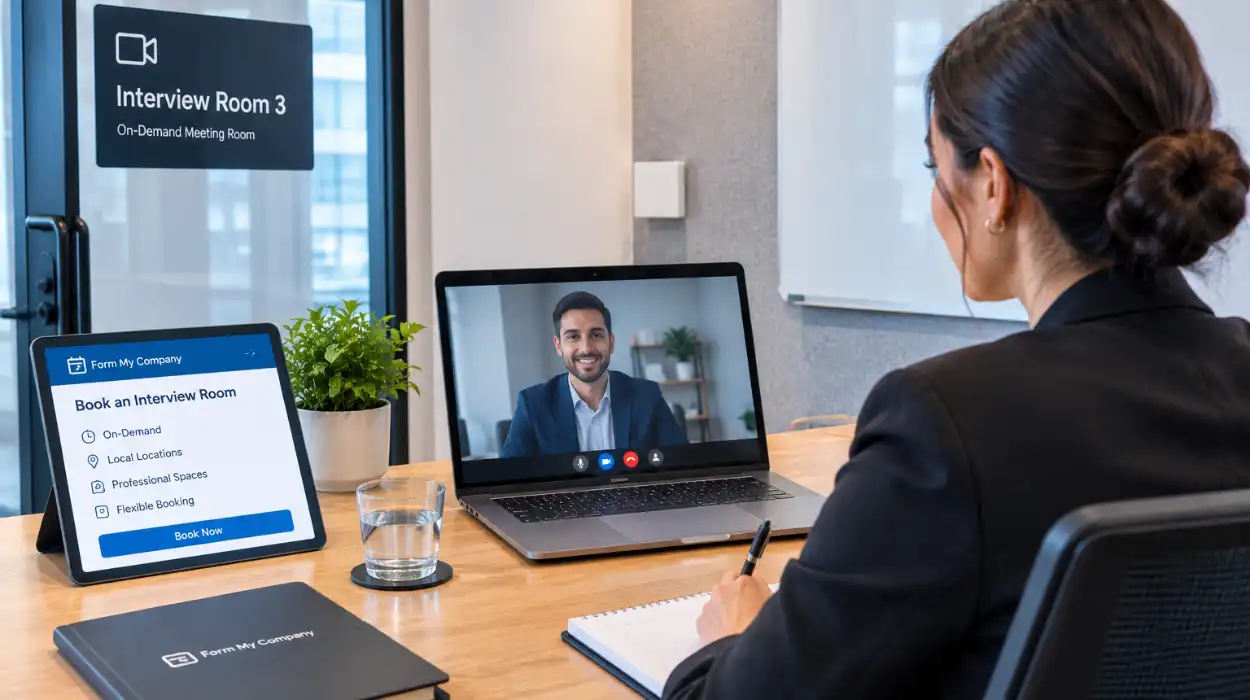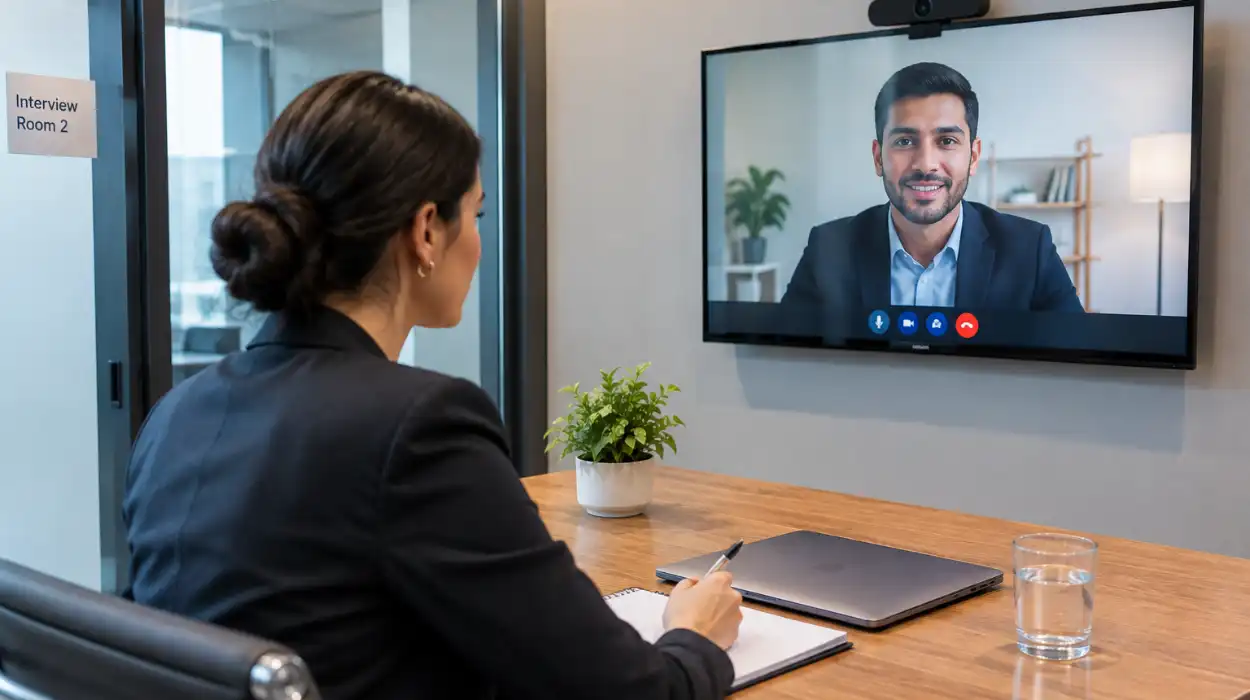
Meeting room ergonomics boosts team productivity by 20-25% through reduced fatigue and enhanced focus. Proper chair heights, lighting, and layouts minimise discomfort, enabling longer effective meetings and fewer errors.
From My Company designs meeting rooms that prioritise these elements. Teams in optimised spaces report higher engagement.
Why Does Chair Ergonomics Matter in Meeting Rooms?
Adjustable chairs reduce back strain by 30%, keeping teams alert during 2-hour sessions.
Chairs with lumbar support align the spine. Seat height adjusts to 42-48 cm for foot-flat positioning. This setup prevents slumping.
Armrests at 18-25 cm height support elbows. Teams avoid shoulder tension. A study by Cornell University shows ergonomic chairs cut absenteeism by 17%.
Poor chairs cause discomfort after 45 minutes. Adjustable models extend comfort to full meetings. Productivity rises as attention spans lengthen.
How Does Lighting Affect Focus in Meetings?
Natural and adjustable lighting improves concentration by 15%, slashing error rates in discussions.
LED lights at 4000K colour temperature mimic daylight. Glare-free fixtures direct light to task areas. This reduces eye strain.
Dimmer switches allow 300-500 lux levels. Teams adjust for presentations or brainstorming. Harvard research links poor lighting to 12% focus drops.
Overhead fluorescents flicker subtly. They trigger headaches in 22% of users. Task lamps target workspaces precisely.
Windows with sheer blinds balance natural light. Shadows disappear. Teams process information faster.
What Role Does Room Layout Play in Collaboration?
U-shaped or modular layouts increase interaction by 28%, fostering idea exchange.
Tables at 75 cm height allow elbow room. Chairs are spaced 1.2 meters apart. This prevents crowding.
Whiteboards face all seats. Projectors are centred on walls. Visual aids reach everyone.
Flexible partitions divide spaces. Small groups form quickly. UK office studies show layouts boost output by 22%.
Central power outlets keep devices charged. Cables hide under tables. Distractions vanish.
How Does Temperature Control Influence Meeting Efficiency?
22-24°C temperatures optimise alertness, lifting decision speed by 13%.
Thermostats maintain steady levels. Fans circulate air quietly. Humidity stays at 40-60%.
Overheating slows cognition. Cold air numbs fingers. Sensors auto-adjust.
Ventilation delivers 10 litres per second per person. CO2 levels drop below 1000 ppm. Teams stay sharp.
Portable heaters target zones. No one shivers. Energy use drops 15% with smart controls.
Why Is Acoustic Design Essential for Productive Meetings?
Sound-absorbing panels cut noise by 40 dB, sharpening listening and reducing misunderstandings.
Carpets muffle footsteps. Fabric walls trap echoes. Speech clarity improves.
Microphones pick up clear voices. Background hum vanishes. Remote participants hear perfectly.
Ceiling baffles diffuse sound waves. Reverb time shortens to 0.5 seconds. Focus holds steady.
Door seals block hallway chatter. Privacy enhances candour. Studies confirm acoustics lift retention by 18%.
How Do Tech Integrations Enhance Ergonomic Meetings?
Seamless AV setups save 10 minutes per meeting, streamlining workflows.
Wireless screens mirror devices instantly. Touch panels control lights and volume. No fumbling.
Cable management hides ports. Tables integrate charging docks. Devices stay powered.
Voice-activated systems dim lights or mute mics. Hands remain free. Efficiency climbs.
From My Company‘s meeting rooms, embed these features. Teams collaborate without tech hurdles. Discover more in The Benefits of Professional Meeting Rooms with On-Site Technical Support Services.
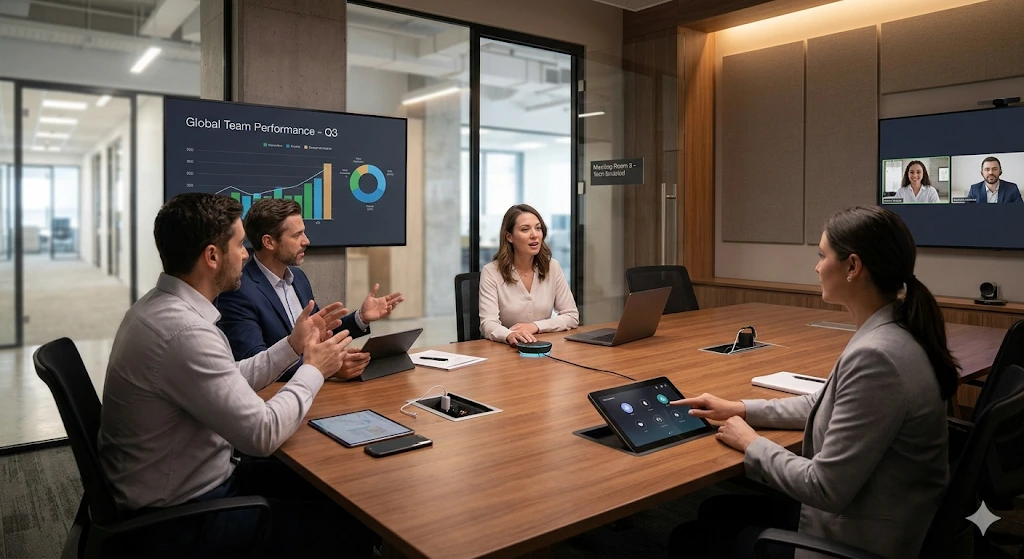
What Common Ergonomic Mistakes Lower Team Output?
Five errors drain productivity: fixed chairs, harsh lights, cramped layouts, unstable temperatures, and echoey rooms.
Fixed chairs force poor posture. Harsh lights cause squinting. Cramped setups hinder movement.
Unstable temperatures distract. Echoey rooms garble speech. Each cuts output by 10-15%.
Audit rooms quarterly. Measure chair heights. Test light levels with meters.
Replace outdated fixtures. Train teams on adjustments. Fixes yield quick gains.
Also explore,
10 Essential Features of a High-Performance Modern Business Meeting Room Space
How the Right Meeting Space Can Increase Your Client Closing Success Rate
How Can Teams Measure Ergonomics’ Productivity Gains?
Track metrics like meeting duration, task completion rates, and error logs before and after changes.
Baseline data sets norms. Post-change surveys score comfort on a 1-10 scale. Aim for 8+ averages.
Productivity software logs output. Compare pre- and post-ergonomics. Expect 20% uplifts.
Wearables monitor heart rates. Lower stress signals success. Annual reviews refine setups.
ROI is calculated via the drop in absenteeism. One UK firm saw 18% gains in six months.
Why Invest in Professional Meeting Room Services?
Pro services deliver 25% productivity boosts via expert ergonomic audits and custom setups.
Specialists assess layouts. They install adjustable furniture. Compliance meets health standards.
Ongoing maintenance ensures uptime. Teams focus on work. Costs offset by output rises.
From My Company provides Meeting Rooms tailored for UK businesses. Ready to upgrade? Check Sign Up for Our Flexible Meeting Room Rental Packages with Premium Facilities.
Meeting room ergonomics directly elevates team productivity levels. From My Company integrates chairs, lighting, layouts, temperature, acoustics, and tech for optimal results. Businesses gain focus, collaboration, and efficiency.
Frequently Asked Questions
What are meeting rooms used for in a business setting?
Meeting rooms are used for team discussions, client presentations, interviews, training sessions, and strategy planning. In a business setting, they provide a private space with seating, presentation tools, and a controlled environment for focused work.
How do meeting rooms improve productivity?
Meeting rooms improve productivity by reducing noise, supporting clear communication, and creating a structured space for decision-making. From My company offers Meeting Rooms that help teams stay focused and complete meetings more efficiently.
What features should a good meeting room have?
A good meeting room includes comfortable seating, reliable Wi-Fi, presentation screens, good lighting, and proper acoustics. For many businesses, Meeting Rooms also need easy access to power outlets and flexible layouts for different group sizes.
Why do businesses rent meeting rooms instead of using office space?
Businesses rent meeting rooms when they need a professional setting for meetings without managing a full-time room. This is practical for client-facing sessions, hybrid meetings, and short-term use where flexibility and privacy matter.
How can I choose the right meeting room for my team?
Choose a meeting room based on group size, required equipment, location, and the type of meeting you are running. From My company’s Meeting Rooms are designed to support different business needs, from small team discussions to formal presentations.