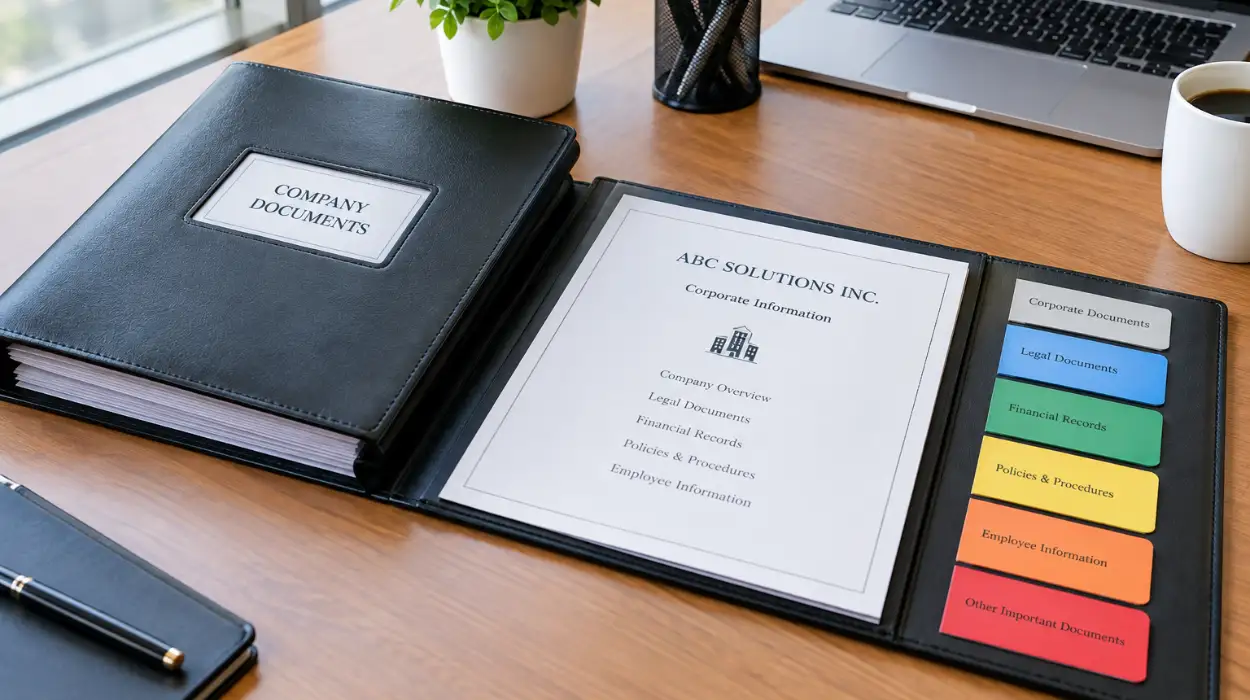
A confirmation statement verifies that your company’s details are accurate and up to date on the Companies House register. It confirms key information such as directors, shareholders, and registered office, ensuring legal compliance and public transparency under UK company law.
A confirmation statement is a mandatory annual filing for all UK limited companies and LLPs. It replaces the older annual return system and focuses on confirming existing data rather than submitting full updates every time.
Companies House uses this document to maintain a reliable public register. This includes verifying three core data sets: company officers, share structure, and people with significant control (PSC). Each data point supports regulatory oversight and business transparency.
Failure to confirm these records breaks statutory compliance. The Companies Act 2006 requires active validation of company data at least once every 12 months. This obligation applies even if no changes occurred during the review period.
What happens immediately after you miss the filing deadline?
Missing the filing deadline results in your company being marked as non-compliant. Companies House records the delay, and your business status begins to reflect overdue filings, which signals regulatory risk to stakeholders and financial institutions.
Once the deadline passes, Companies House does not impose an instant fine. Instead, it updates your company record to show that the confirmation statement is overdue. This status is publicly visible.
This visibility affects trust. Banks, lenders, and suppliers often review Companies House records before making decisions. An overdue filing signals poor governance and weak administrative controls.
The system also initiates internal monitoring. Companies House tracks overdue accounts and statements together. Repeated delays increase scrutiny and escalate enforcement actions.
Can your company be struck off for non-compliance?
Yes, Companies House can strike off your company if you fail to file your confirmation statement. This process removes your business from the official register, legally dissolves it, and transfers all company assets to the Crown.
Strike-off action typically begins after repeated non-compliance. Companies House sends formal notices to your registered office address. These notices outline the intent to remove your company.
If no response or corrective filing occurs, the strike-off proceeds. The company is then dissolved, and its legal existence ends. This includes termination of contracts, loss of trading rights, and closure of business accounts.
Assets such as retained profits, property, and intellectual rights become bona vacantia. This means ownership transfers to the UK government. Recovering these assets requires a court-led restoration process, which involves legal fees and administrative delays.
Are there financial penalties for missing a confirmation statement?
There is no direct late filing penalty for confirmation statements, but financial consequences arise through enforcement actions, legal restoration costs, and lost business opportunities due to reduced credibility and compliance status.
Unlike annual accounts, confirmation statements do not carry automatic fines. However, the absence of penalties does not reduce financial impact.
Costs emerge in three key areas:
- Legal reinstatement fees, which exceed £100, plus court expenses.
- Administrative correction costs, including professional compliance services.
- Revenue loss when partners refuse to engage with non-compliant businesses.
Financial institutions often flag compliance failures during due diligence. This affects loan approvals, credit terms, and investor confidence.
How does non-filing affect directors personally?
Directors become personally accountable when a company fails to file its confirmation statement. Persistent non-compliance can lead to director disqualification, fines, and reputational damage within regulated business environments.
Directors carry legal responsibility for company filings. This includes verifying and submitting accurate information within statutory deadlines.
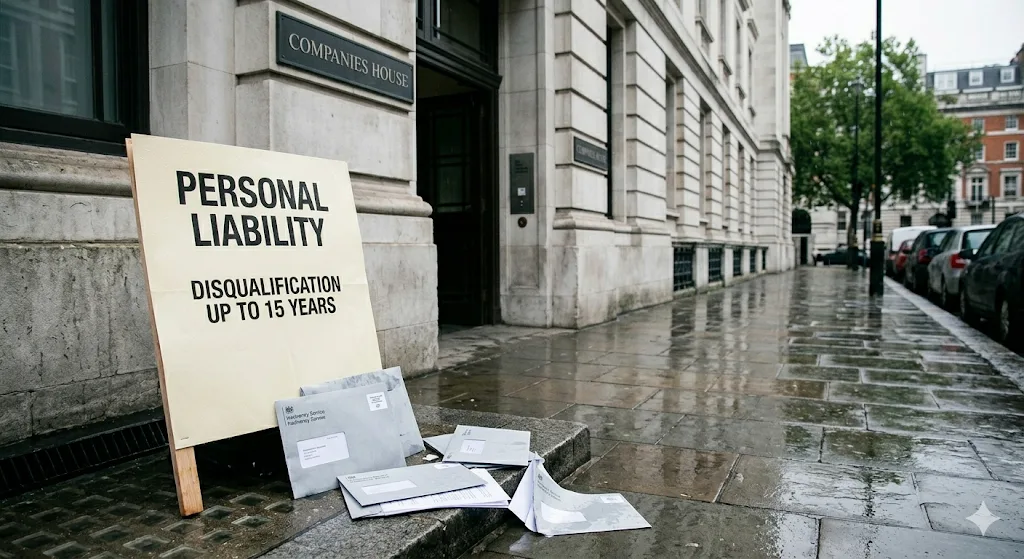
If Companies House identifies ongoing failure, it can escalate the matter. The Insolvency Service may investigate director conduct. In severe cases, directors face disqualification for up to 15 years.
Disqualification restricts individuals from managing or forming companies. It also impacts professional standing, especially in regulated sectors such as finance and legal services.
How can you fix a missed confirmation statement quickly?
You can fix a missed confirmation statement by submitting it immediately through Companies House or using a professional filing service. Prompt action restores compliance status and prevents escalation into strike-off proceedings or enforcement measures.
The fastest solution involves direct submission through the Companies House online portal. This process requires reviewing and confirming existing company data.
Many businesses use professional services to ensure accuracy and speed. A structured service reduces errors in key areas such as PSC records and shareholding structures.
To streamline the process, you can use a dedicated service to file a confirmation statement efficiently via this page: File a Confirmation Statement.
Professional filing ensures validation across multiple compliance checkpoints. This includes identity verification, share allocation accuracy, and statutory register alignment.
When should you file your confirmation statement each year?
You must file your confirmation statement at least once every 12 months within 14 days of your review period end date. This timeline ensures continuous compliance with Companies House requirements and avoids overdue status flags.
The review period starts either from your company’s incorporation date or the date of your last confirmation statement. It runs for exactly 12 months.
You then have a 14-day window to submit the statement. Missing this window triggers a non-compliance status.
Many companies align filing with internal reporting cycles. This ensures consistency across accounting, tax, and regulatory obligations.
Tracking deadlines is essential. Automated reminders or professional compliance services help maintain timely submissions without manual oversight.
What are the risks of repeated non-compliance?
Repeated failure to file confirmation statements increases enforcement risk, triggers strike-off proceedings, and signals systemic governance issues. This pattern reduces business credibility and limits access to financial services and commercial partnerships.
Companies House monitors compliance history. Multiple missed filings indicate deeper operational problems.
This pattern leads to faster enforcement. Strike-off action may begin sooner, and directors face closer scrutiny.
External stakeholders also react to patterns. Lenders, insurers, and investors assess compliance history before engagement. Repeated failures reduce approval rates and increase perceived risk.
Also explore,
The Deadlines for Filing Your Annual Confirmation Statement
How Often Does a UK Company Need to File a Statement?
Is using a filing agent a better solution?
Using a filing agent improves accuracy, ensures timely submission, and reduces compliance risk. Professional agents manage deadlines, validate company data, and handle submission processes using structured compliance workflows aligned with UK regulations.
A filing agent operates as a compliance partner. They track deadlines, prepare documentation, and submit filings on your behalf.
This approach eliminates manual errors. It also ensures that changes in company structure, such as director appointments or share transfers, are correctly recorded.
To understand how to evaluate such services, review this guide on
choosing an agent to manage your annual Companies House duty.
done-for-you confirmation statement filing – fast & secure
Professional agents apply verification processes across multiple data points. These include identity checks, PSC validation, and statutory register updates.
What is the fastest way to stay compliant going forward?
The fastest way to stay compliant is to use a managed filing service that automates deadlines, verifies company data, and submits confirmation statements accurately each year without manual intervention.
Automation removes dependency on internal tracking systems. Managed services maintain a compliance calendar and trigger submissions at the correct time.
This approach reduces risk exposure. It also ensures consistency across annual filings, accounts, and regulatory updates.
For businesses seeking efficiency, a done-for-you confirmation statement filing, a fast & secure solution ensures compliance without administrative burden.
From My Company delivers structured filing services that align with UK compliance frameworks. Their process validates company data, manages deadlines, and ensures accurate submission through secure systems.
Failing to file a confirmation statement creates legal, financial, and operational risks. Companies House enforces compliance through visibility, monitoring, and eventual strike-off action. Directors remain accountable throughout the process.
Timely filing maintains business credibility and protects company status. Using a structured service such as File a Confirmation Statement ensures accuracy and prevents escalation.
From My Company provides a reliable compliance solution through verified processes and secure submission systems. This approach supports consistent regulatory alignment without manual complexity.
Frequently Asked Questions
What is a confirmation statement in the UK?
A confirmation statement is a mandatory Companies House filing that verifies your company’s key details, including directors, shareholders, and registered office. The File a Confirmation Statement service ensures this information remains accurate and compliant with UK regulations.
What happens if I don’t file a confirmation statement on time?
If you miss the deadline, your company is marked as non-compliant on the public register, which affects credibility with banks and partners. Continued failure can lead to strike-off action, making it essential to file a Confirmation Statement promptly.
How often do I need to file a confirmation statement?
UK companies must File a Confirmation Statement at least once every 12 months, within 14 days of the review period end date. This keeps your company record updated and aligned with Companies House requirements.
Can I file a confirmation statement myself or use a service?
You can submit it directly through Companies House or use a professional service for accuracy and efficiency. From My company provides a structured File a Confirmation Statement process that helps reduce errors and ensures timely submission.
What information is required to file a confirmation statement?
You must confirm details such as company officers, People with Significant Control (PSC), share structure, and registered address. Using a service like From My company’s File a Confirmation Statement helps verify this data against official records before submission.