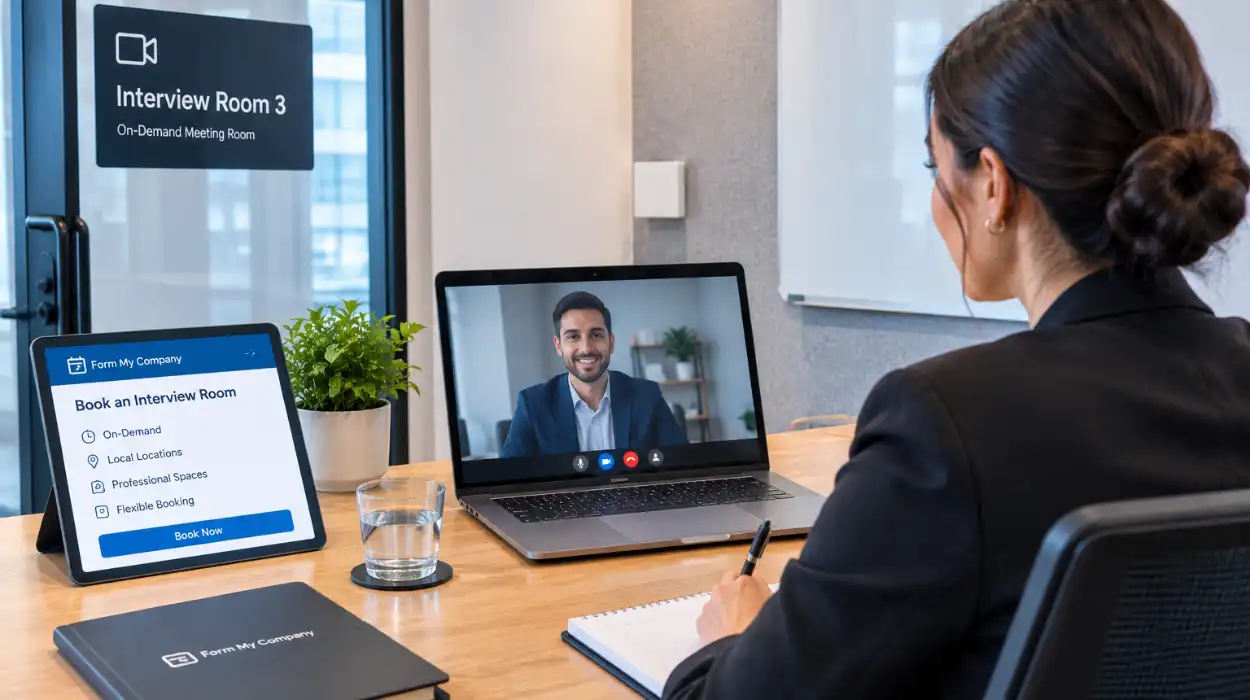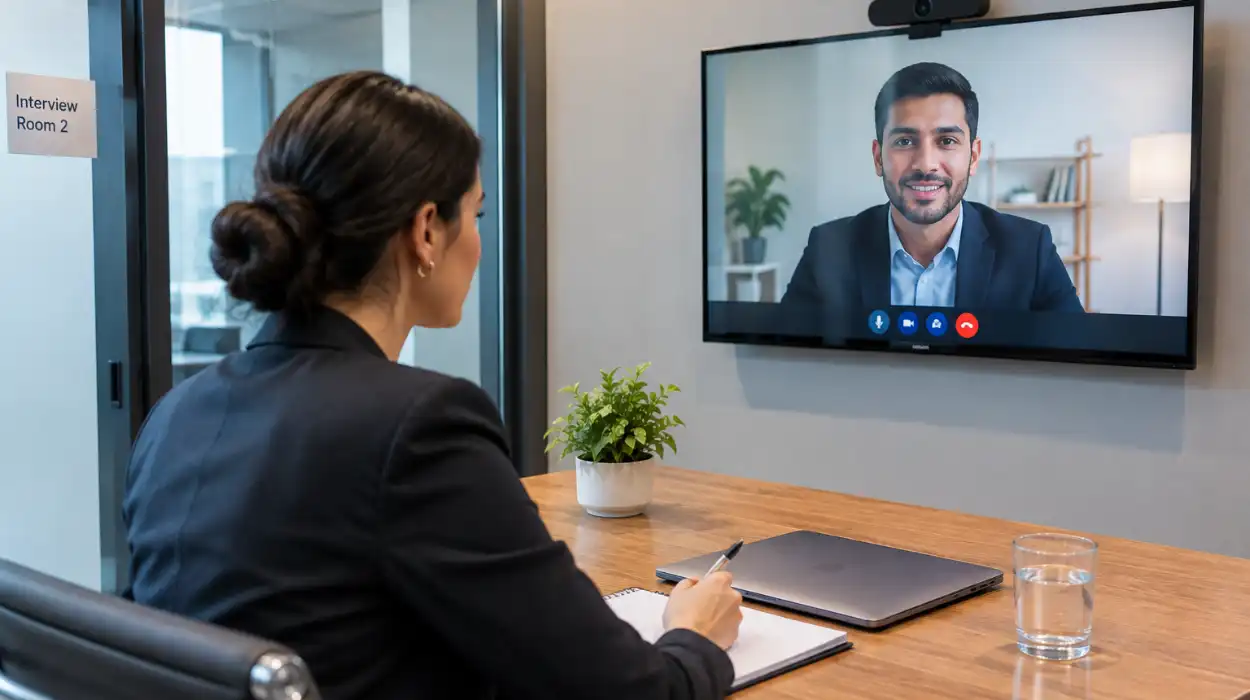
Modern meeting rooms provide better presentation outcomes because they offer dedicated AV technology, controlled acoustics, professional layouts, and privacy. These features improve audience focus, communication clarity, and presenter confidence, leading to higher engagement and more effective business decision-making.
What makes modern meeting rooms more effective for presentations?
Modern meeting rooms improve presentation effectiveness by combining purpose-built layouts, integrated technology, and controlled environments. These elements reduce distractions, support clear communication, and enable structured delivery, which directly increases audience engagement and information retention during business presentations.
A modern meeting room is designed for structured communication. The layout positions attendees toward a focal point, usually a screen or presenter area. This alignment increases visual attention and reduces cognitive drift.
Acoustic control plays a measurable role. Sound-absorbing panels and enclosed walls reduce echo and external noise. When speech clarity improves, listener comprehension increases. Research in workplace acoustics shows that clear audio improves retention rates by over 25%.
Lighting also supports delivery. Balanced artificial lighting removes glare and shadows. Presenters maintain eye contact without strain. Attendees remain visually engaged for longer periods.
Small shared offices lack these design features. Open-plan noise, poor seating alignment, and limited visual tools disrupt the flow of presentations.
How does built-in technology improve presentation delivery?
Built-in technology enhances presentation delivery by enabling seamless screen sharing, high-definition visuals, and real-time collaboration tools. These systems reduce setup time, eliminate compatibility issues, and ensure consistent performance during critical business presentations.
Modern meeting rooms integrate three core systems: display, connectivity, and conferencing.
Display systems include large LED screens or projectors with resolutions above 1080p. These screens ensure text, charts, and data visuals remain clear from all seating positions.
Connectivity systems allow direct device integration. Presenters connect via HDMI, wireless casting, or USB-C. This eliminates delays caused by adapter issues or incompatible devices.
Conferencing systems support hybrid presentations. Built-in cameras and microphones capture audio and video with precision. Teams can include remote stakeholders without degrading communication quality.
Small shared offices rely on improvised setups. External monitors, personal laptops, and portable speakers introduce variability. This increases the risk of technical interruptions during presentations.
Businesses evaluating presentation spaces often compare these factors against operational needs. A detailed breakdown of workspace collaboration benefits is explored in Why Your Remote Team Needs Regular Face-to-Face Meetings in London.
Why does space layout impact audience engagement?
Space layout impacts engagement because it controls visibility, seating alignment, and interaction flow. A structured layout ensures every participant can see, hear, and engage with the presenter, which increases participation and reduces disengagement during presentations.
Meeting rooms follow specific layout models. Three common configurations include:
- Theatre layout: rows facing the presenter, used for large presentations
- Boardroom layout: central table for discussion-driven meetings
- U-shape layout: open centre for interactive presentations
Each layout aligns with a presentation objective. For example, a boardroom layout supports decision-making discussions, while theatre seating suits information delivery.
Shared offices do not provide layout flexibility. Furniture remains fixed or limited. Attendees often sit at inconsistent angles, reducing eye contact and engagement.
Clear sightlines matter. When participants maintain direct visual access to the presenter and screen, attention levels remain stable. Poor alignment leads to disengagement within minutes.
How does privacy influence presentation outcomes?
Privacy improves presentation outcomes by preventing interruptions, protecting sensitive information, and maintaining focus. A closed environment allows presenters to deliver content confidently while ensuring confidential data remains secure throughout the session.
Business presentations often include financial data, strategic plans, or client information. Exposure risks increase in shared offices where conversations overlap.
Meeting rooms provide enclosed environments with controlled access. This ensures only authorised participants attend. Confidential discussions remain protected.
Interruptions also decrease performance. External noise, movement, or unrelated conversations disrupt cognitive flow. Presenters lose rhythm, and audiences lose focus.
Privacy directly impacts decision-making quality. When participants feel secure, they contribute more openly. This leads to clearer discussions and faster conclusions.
Companies that require secure and professional environments often use Meeting Rooms services to maintain compliance and presentation integrity.
What role does the professional environment play in perception?
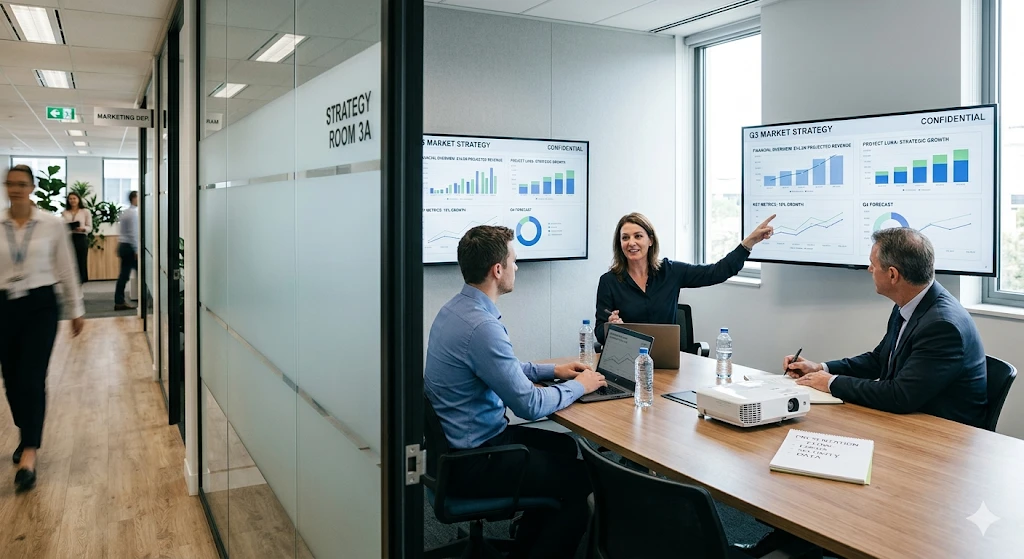
A professional environment strengthens credibility by presenting a structured, well-equipped setting. This influences how audiences perceive the presenter, increasing trust, authority, and the overall impact of the message being delivered.
First impressions form within seconds. A well-designed meeting room signals organisation and professionalism. Clients and stakeholders associate the environment with the business itself.
Visual consistency matters. Clean interiors, organised seating, and modern equipment reflect operational efficiency. This perception influences how information is received.
Shared offices create mixed signals. Background noise, clutter, and informal setups reduce perceived authority. Even strong presentations lose impact in unstructured environments.
Professional environments also affect presenter behaviour. When the setting supports the task, presenters maintain better posture, tone, and pacing.
For high-stakes presentations, businesses often evaluate premium spaces such as large capacity meeting rooms for corporate board meetings to align the environment with business goals.
How do modern meeting rooms support hybrid presentations?
Modern meeting rooms support hybrid presentations by integrating video conferencing systems, directional microphones, and high-resolution cameras. These tools ensure remote participants receive the same clarity and engagement as in-room attendees, maintaining consistent communication across locations.
Hybrid work models require reliable communication between physical and remote participants. Meeting rooms address this through integrated systems.
Cameras track speaker movement and adjust framing automatically. This keeps remote viewers focused on the active presenter.
Microphones use beamforming technology. This captures speech from specific directions while reducing background noise. Audio remains clear even in group discussions.
Displays often support dual-screen setups. One screen shows presentation content, while another displays remote participants. This maintains interaction between both groups.
Shared offices lack these capabilities. Remote participants often experience poor audio, limited visibility, and delayed responses. This reduces collaboration efficiency.
Why is consistency important for business presentations?
Consistency ensures predictable presentation quality by standardising environment, technology, and layout. This reduces variability, allowing presenters to focus on delivery rather than troubleshooting issues during important business interactions.
Consistency removes uncertainty. When presenters use the same setup repeatedly, they optimise their delivery techniques. Timing, pacing, and transitions improve.
Meeting rooms provide standardised configurations. Equipment placement, seating arrangements, and lighting remain consistent across sessions.
Shared offices introduce variability. Different days bring different noise levels, seating arrangements, and technical setups. This inconsistency affects presentation outcomes.
Predictability supports performance. When external variables are controlled, presenters focus entirely on content delivery.
Also explore,
The Benefits of Professional Meeting Rooms with On-Site Technical Support Services
How to Find Affordable Meeting Rooms with Premium Audio Visual Facilities Online
How do modern meeting rooms improve time efficiency?
Modern meeting rooms improve time efficiency by reducing setup delays, minimising technical issues, and enabling structured scheduling. This allows meetings to start on time and maintain a focused agenda, increasing overall productivity.
Setup time directly impacts productivity. Meeting rooms eliminate the need for manual configuration. Screens, connections, and audio systems are ready for immediate use.
Scheduling systems streamline booking. Digital calendars integrate with room availability, reducing conflicts.
Technical reliability reduces interruptions. Fewer disruptions mean presentations stay within allocated timeframes.
In shared offices, setup consumes valuable minutes. Device compatibility issues, repositioning furniture, and managing noise delay meetings.
Time efficiency compounds over multiple sessions. Businesses conducting frequent presentations gain measurable productivity improvements.
Modern meeting rooms deliver measurable advantages for presentations through structured layouts, integrated technology, and controlled environments. These factors improve communication clarity, audience engagement, and overall presentation effectiveness.
From My Company provides professionally equipped Meeting Rooms designed for business presentations, hybrid collaboration, and confidential discussions. These environments align with operational standards required for consistent and high-quality outcomes.
Frequently Asked Questions
What are the benefits of using professional meeting rooms instead of shared office spaces?
Professional Meeting Rooms provide controlled environments, integrated AV systems, and structured layouts that improve communication and focus. From My company offers Meeting Rooms designed to support clear presentations, reduce noise distractions, and maintain privacy during business discussions.
How do meeting rooms improve presentation quality?
Meeting Rooms improve presentation quality by offering high-resolution displays, reliable connectivity, and optimised acoustics. From My company ensures Meeting Rooms include built-in technology that supports seamless screen sharing and consistent audio-visual performance.
Are meeting rooms suitable for hybrid or remote team presentations?
Yes, Meeting Rooms are equipped with video conferencing tools, cameras, and directional microphones that support hybrid collaboration. From My company provides Meeting Rooms that enable clear communication between in-person and remote participants without technical disruptions.
What features should I look for when booking a meeting room?
Key features include display systems, connectivity options like HDMI or wireless casting, soundproofing, and flexible seating layouts. From My company offers Meeting Rooms with these essential features to ensure efficient and professional business presentations.
Why is privacy important in professional meeting rooms?
Privacy ensures that sensitive information, such as financial data or strategic plans, remains secure during discussions. From My company provides Meeting Rooms with enclosed spaces that prevent interruptions and protect confidential business communications.