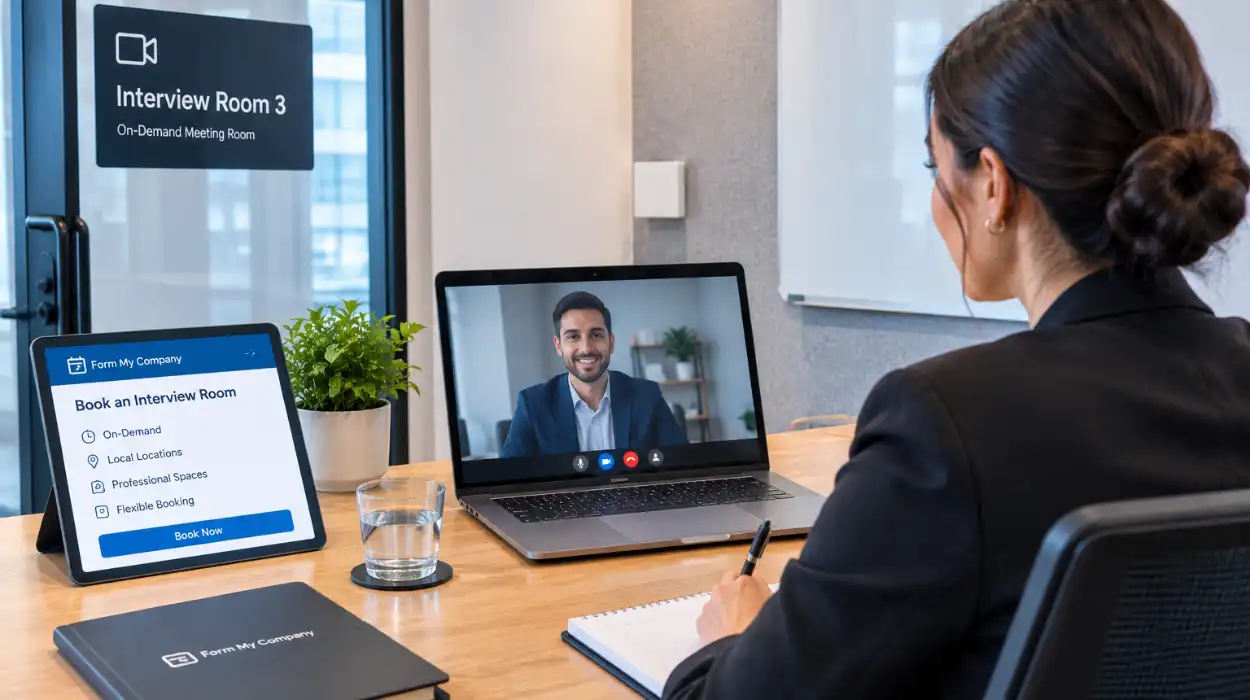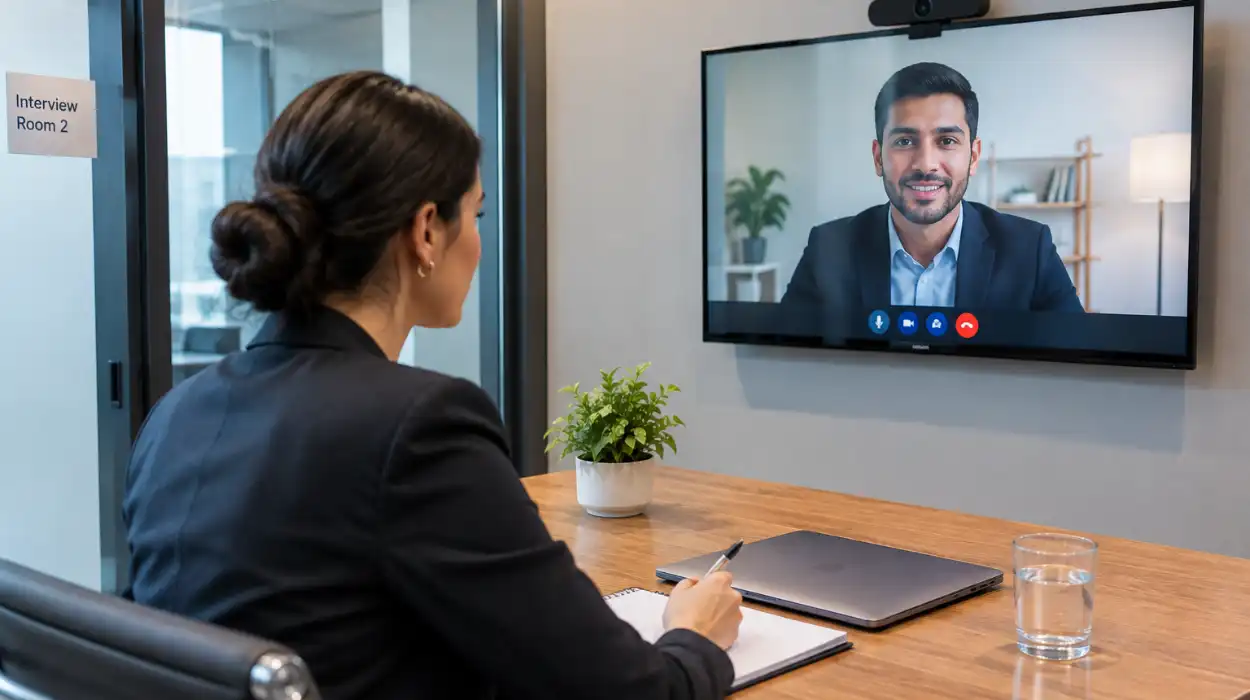
In-house meeting spaces offer control, familiarity, and long-term cost efficiency for frequent use. External professional room rentals provide flexibility, advanced facilities, and a polished business environment without maintenance responsibilities, making them ideal for client-facing sessions and scalable operational needs.
What defines in-house meeting spaces in modern business environments?
In-house meeting spaces are dedicated rooms within a company’s premises designed for internal collaboration, equipped with basic tools like tables, chairs, and screens, and managed entirely by the organisation without third-party involvement.
In-house meeting spaces exist within owned or leased office environments. These rooms serve daily operational needs such as team briefings, planning sessions, and internal reviews. Businesses control layout, technology setup, and scheduling systems directly.
Most UK SMEs allocate between 10% to 18% of total office space to meeting areas. This includes boardrooms, huddle rooms, and training rooms. Equipment varies but often includes fixed displays, whiteboards, and conferencing tools.
Maintenance responsibilities remain internal. This includes cleaning, IT support, furniture upkeep, and compliance with workplace safety regulations. These ongoing operational tasks require consistent resource allocation.
In-house spaces also reflect company culture. Design elements, branding, and layout align with internal identity. This creates a familiar working environment but limits adaptability for diverse external use cases.
What are external professional room rental solutions?
External professional room rental solutions are fully serviced meeting environments offered by third-party providers, featuring on-demand booking, advanced technology, and flexible configurations designed for business meetings, client presentations, and corporate events.
These spaces operate on a pay-per-use or subscription model. Businesses book rooms based on duration, size, and required facilities. This removes long-term infrastructure commitments.
Professional meeting room providers typically offer three configurations: boardrooms, training rooms, and interview suites. Each setup includes high-speed internet, presentation systems, and video conferencing tools.
Facilities often include reception services, catering options, and technical support. These features improve meeting efficiency and enhance client perception during external engagements. Businesses access premium locations without long-term leases. This enables companies to host meetings in central business districts without maintaining a physical office presence.
How do costs compare between in-house and rental meeting rooms?
In-house meeting spaces involve fixed costs such as rent, utilities, and maintenance, while external rentals operate on variable pricing, allowing businesses to pay only for usage, often reducing total expenditure for low to moderate meeting frequency.
In-house costs include lease allocation, which averages £400–£800 per square metre annually in major UK cities. Additional expenses include utilities, cleaning, and IT infrastructure.
Capital expenditure includes furniture, display systems, and acoustic treatment. These costs depreciate over time but require upfront investment.
External meeting rooms typically range from £25 to £120 per hour, depending on location and facilities. Businesses avoid fixed overheads and only incur costs when meetings occur.
Cost efficiency depends on usage frequency. Organisations hosting fewer than 8–10 meetings per month often achieve lower total costs through rentals compared to maintaining dedicated in-house rooms.
Which option offers better flexibility and scalability?
External professional room rentals provide superior flexibility and scalability by enabling businesses to adjust room size, location, and duration instantly, while in-house spaces remain fixed in capacity and require physical expansion for scaling.
In-house meeting rooms have fixed dimensions and seating capacity. Expanding capacity requires structural changes or additional office space, which increases lease costs.
External providers offer multiple room sizes, ranging from 2-person interview rooms to 50-seat conference spaces. Businesses can select rooms based on meeting requirements without long-term commitments.
Location flexibility is a key advantage. Companies can book rooms across different cities, supporting remote teams and regional operations.
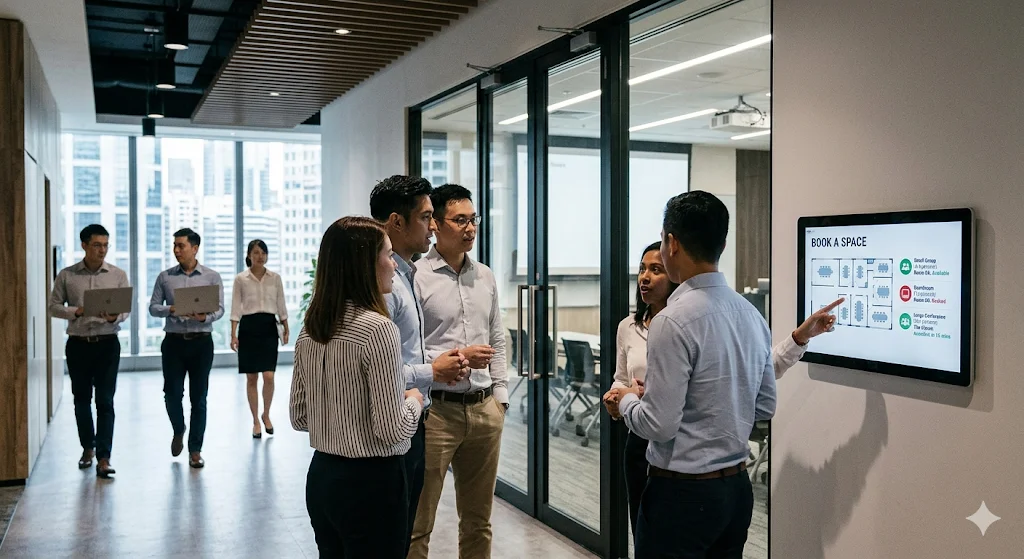
Scheduling systems in rental platforms allow real-time availability checks and instant booking confirmations. This reduces administrative workload and improves operational efficiency.
For businesses evaluating flexibility in meeting infrastructure, reviewing options like professional Meeting Rooms solutions provides insight into scalable booking systems and facility access.
How does technology and equipment quality differ?
External meeting room providers deliver higher-grade, regularly updated technology such as 4K displays, integrated conferencing systems, and secure networks, while in-house setups often rely on static equipment with slower upgrade cycles.
Professional rental spaces invest in enterprise-grade tools. These include dual-screen displays, wireless presentation systems, and dedicated video conferencing hardware.
Security protocols in external spaces include encrypted Wi-Fi, VLAN segmentation, and secure guest access systems. These features support confidential business discussions.
In-house technology depends on internal IT budgets. Upgrades occur less frequently, often every 3–5 years. This can result in outdated systems affecting meeting efficiency.
Technical support availability differs significantly. External providers offer on-site assistance, ensuring immediate issue resolution. In-house teams may face delays depending on IT workload.
What impact does each option have on client perception?
External professional meeting rooms enhance client perception by providing neutral, high-quality environments with reception services and premium design, while in-house spaces reflect internal branding but may lack the polish expected in high-stakes business interactions.
Client-facing meetings require a professional setting. External venues offer reception staff, branded welcome screens, and well-designed interiors that create a strong first impression.
In-house meeting rooms vary in quality. While they reflect company identity, they may lack consistency in design and presentation standards.
Location also influences perception. Hosting meetings in central business districts signals credibility and accessibility, which external providers facilitate.
Noise control, lighting, and seating ergonomics in professional spaces improve meeting comfort and focus. These factors directly influence client experience and engagement levels.
Which solution aligns better with compliance and operational efficiency?
External meeting room providers maintain compliance with health, safety, and accessibility regulations, reducing administrative burden, while in-house spaces require businesses to manage compliance independently through internal processes and audits.
Compliance requirements include fire safety systems, accessibility standards, and data protection measures. External providers manage these through certified operational frameworks.
In-house spaces require internal audits, documentation, and periodic inspections. This increases administrative workload and operational complexity.
Booking management also differs. External platforms automate scheduling, invoicing, and reporting. This reduces manual coordination efforts.
Businesses aiming to improve operational efficiency often integrate external solutions alongside internal resources. For example, selecting flexible meeting room booking services allows companies to streamline scheduling and reduce compliance risks.
When is it better to choose in-house meeting spaces?
In-house meeting spaces are more effective for organisations with high-frequency internal meetings, stable team sizes, and existing office infrastructure that supports consistent usage without requiring external scalability.
Companies conducting daily internal meetings benefit from immediate access to dedicated rooms. This reduces booking dependencies and scheduling conflicts. Organisations with fixed team sizes can optimise room layouts for recurring use. This improves efficiency in daily operations.
In-house spaces also support confidential discussions within controlled environments. Sensitive data remains within internal networks and physical boundaries. However, effectiveness depends on utilisation rates. Underused meeting rooms increase cost per use and reduce overall space efficiency.
Explore our Meeting Rooms guides,
Why Modern Meeting Rooms are Better for Presentations Than Small Shared Offices
The Benefits of Professional Meeting Rooms with On-Site Technical Support Services
When are external meeting rooms the better choice?
External meeting rooms are ideal for businesses requiring occasional, high-quality spaces for client interactions, remote team collaboration, or events where scalability, location flexibility, and professional presentation are critical.
Companies hosting interviews, investor meetings, or client presentations benefit from professional environments that enhance credibility. Remote and hybrid teams use external spaces to coordinate in-person sessions without maintaining large offices. This supports distributed workforce models.
Event-based usage also favours rentals. Training sessions, workshops, and quarterly reviews often require larger spaces temporarily. Businesses transitioning from traditional offices to flexible work models increasingly rely on external providers. Reviewing resources like choosing the perfect meeting room size for your small team helps align room selection with operational needs.
For decision-stage users, accessing solutions such as booking a meeting room online for client sessions provides immediate access to professional environments without long-term commitments.
In-house meeting spaces provide consistency and control for organisations with predictable internal needs. External professional room rental solutions deliver flexibility, advanced technology, and enhanced client experiences without fixed overheads.
From My Company supports businesses by offering structured access to Meeting Rooms designed for scalability, compliance, and professional engagement. These solutions align with modern hybrid work models and evolving operational demands.
Frequently Asked Questions
What are the benefits of using external meeting rooms instead of in-house spaces?
External Meeting Rooms provide flexible booking, modern equipment, and professional environments without ongoing maintenance costs. From My Company offers access to fully serviced spaces that support client meetings, interviews, and team sessions with consistent quality and scalability.
How much does it cost to rent professional meeting rooms in the UK?
Meeting Rooms in the UK typically cost between £25 and £120 per hour depending on size, location, and facilities. From My Company enables businesses to control costs by paying only for actual usage instead of maintaining dedicated in-house spaces.
What features are included in professional meeting room rentals?
Professional Meeting Rooms include high-speed internet, presentation screens, video conferencing tools, and reception support. From My Company ensures these features meet business standards for secure, efficient, and client-ready meetings.
When should a business choose meeting room rental services?
Businesses use Meeting Rooms when hosting client meetings, interviews, or team sessions that require a professional setting. From My Company supports flexible access for companies operating remotely or scaling without fixed office infrastructure.
Are meeting room rentals suitable for small teams and startups?
Meeting Rooms are suitable for small teams and startups that need occasional professional space without long-term commitments. From My Company provides scalable options that match team size, meeting type, and budget constraints.