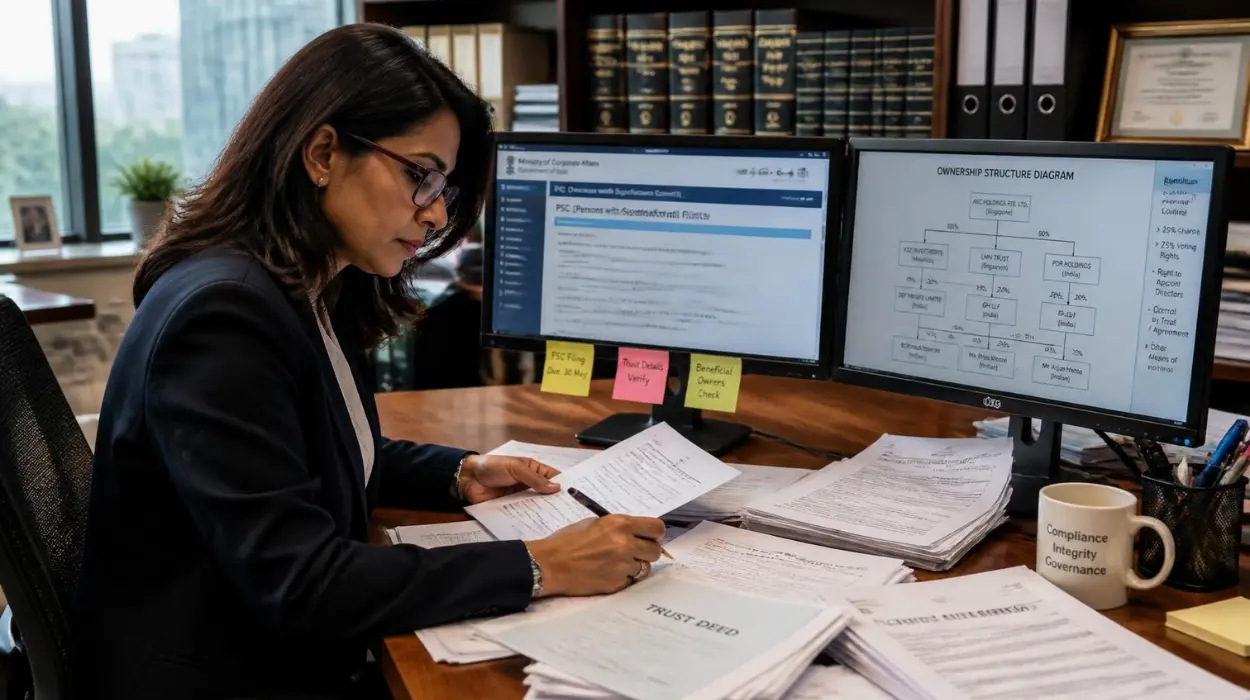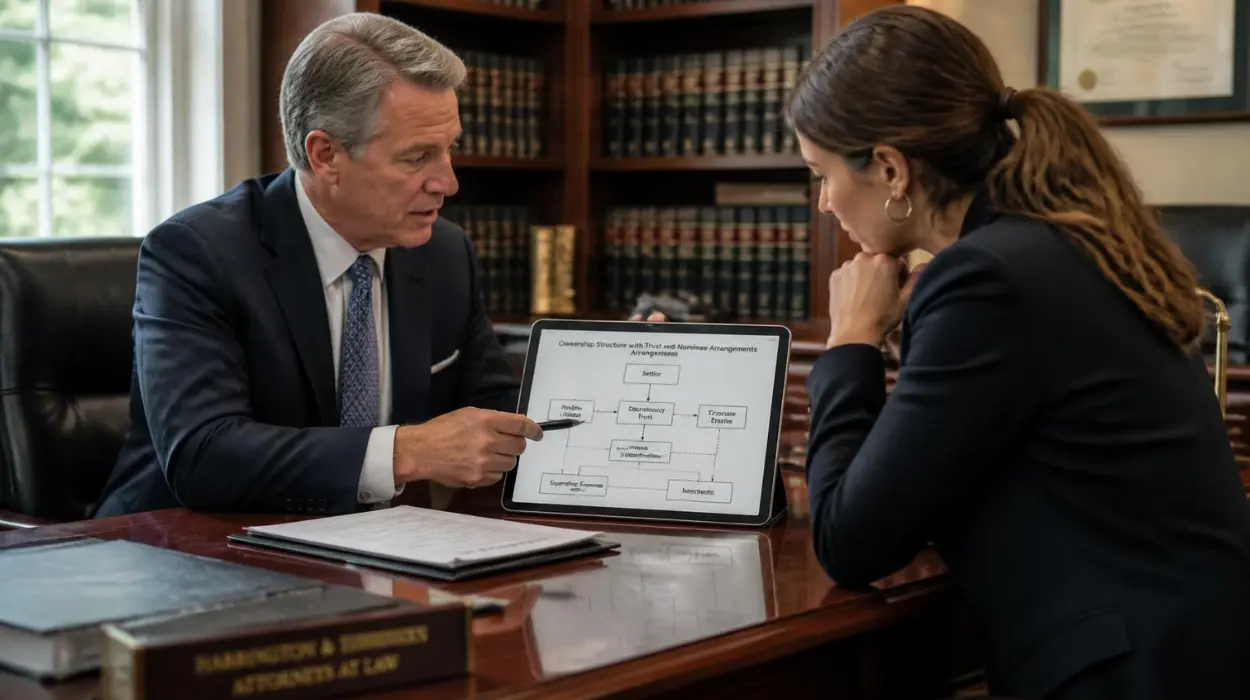
Gathering documents to open a business bank account requires securing your Certificate of Incorporation, Memorandum and Articles of Association, proof of business address, and verified photo identification for all directors and ultimate beneficial owners holding 25% or more shares.
Preparing for business banking requires meticulous attention to regulatory compliance standards established by financial institutions across the United Kingdom. Banks enforce strict Know Your Customer protocols to prevent financial crime and verify the legitimate operational status of newly formed corporate entities. Managing this documentation efficiently prevents account opening delays and ensures seamless financial setup for your enterprise.
What Identification Documents Are Required for Directors?
Directors must provide one valid photo identification document and one proof of residential address dated within the last three months, such as a utility bill or council tax statement.
Verifying individual identities remains a mandatory step for financial institutions assessing corporate directors and shareholders. Banks require clear proof that company officers exist in reality and hold verifiable personal records within government databases.
Identity verification services validate director credentials using official UK compliance frameworks. Passport checks, biometric scans, and address validation represent three standard verification methods employed by modern compliance departments. Directors must ensure their residential address matches official records submitted during company formation to avoid administrative rejections. Providing expired documents or mismatched utility bills triggers immediate processing pauses across standard banking compliance desks.
Which Corporate Formation Papers Must You Prepare?
Corporate formation papers must include the Certificate of Incorporation, the Memorandum of Association, and the Articles of Association issued by Companies House upon successful registration.
Financial institutions inspect foundational corporate documents to confirm legal existence and operational structure before approving business accounts. These legal instruments outline internal governance rules and define the exact scope of commercial activities authorized by the directors.
Four primary corporate documents form the bedrock of any business account application:
Certificate of Incorporation proving official legal registration
Memorandum of Association detailing initial shareholder commitments
Articles of Association establishing internal management rules
Share certificates confirming precise equity distribution percentages
Reviewing these documents before submission prevents discrepancies between your Companies House records and your banking application details.
How Can You Prove Your Business Operating Address?
Proving a business operating address requires a commercial lease agreement, a business rates bill, or a formal letter from your accountant confirming your trading location.
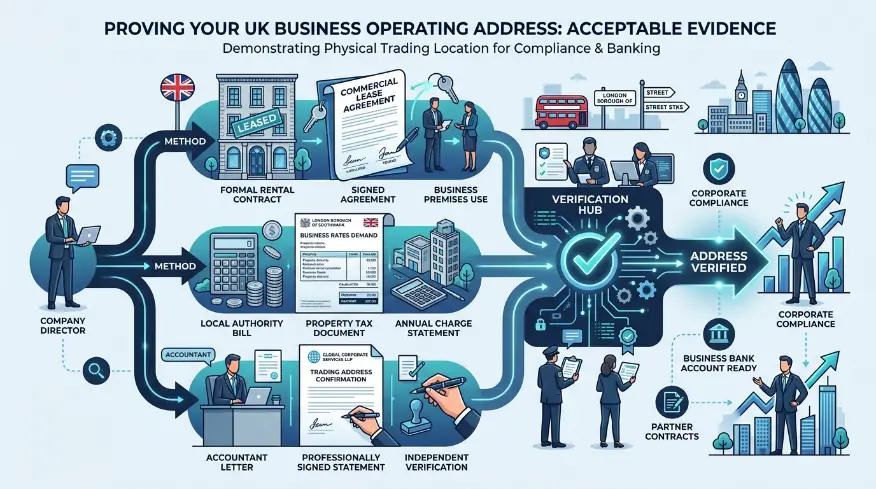
Banks evaluate physical business locations to determine jurisdictional compliance and assess operational risk profiles accurately. Using a residential address creates additional verification steps because underwriters require explicit permission to access private premises for inspection purposes.
Establishing a professional corporate footprint often involves utilizing structured solutions like the Company Pack to secure compliant registered office addresses. Commercial utility bills, business insurance schedules, and official tax correspondence from HMRC serve as acceptable evidence for physical location audits. Every business must maintain clear records of its trading address to satisfy routine annual compliance reviews conducted by compliance officers.
| Document Type | Issuer / Source | Validity Period | Purpose |
| Certificate of Incorporation | Companies House | Permanent | Proves legal corporate existence |
| Utility Bill | Energy Provider | Last 3 months | Verifies residential or office address |
| Government Photo ID | Passport / Driver Agency | Unexpired | Confirms director and shareholder identity |
| Accountant Reference Letter | Registered Accountant | Last 30 days | Validates ongoing trading activities |
What Financial Projections Do Banks Request?
Banks request detailed cash flow forecasts, projected profit and loss statements, and initial capital injection summaries to evaluate financial viability.
Lenders examine financial projections to understand revenue models and verify that startup capital sustains operations through early milestones. Founders must present realistic figures derived from market research rather than inflated estimates designed to impress underwriters.
Financial models must outline anticipated monthly operational expenses, including software licenses, staff salaries, and supply chain costs. Demonstrating a clear understanding of cash runway reassures risk assessors that the enterprise maintains long-term financial stability. Form My Company assists entrepreneurs in navigating these complex documentation requirements through expert guidance outlined in our Can You Open a Business Bank Account Without Original Documents? overview.
How Do You Organize Documents for Fast Approval?
Organizing documents for fast approval involves digitizing all physical paperwork into searchable PDF files and compiling them into a secure, labeled folder.
Digital submission portals demand clean, high-resolution scans that display every corner of each document without obstruction. Blurry images or cropped pages result in automated rejection by digital verification algorithms operating within major banking networks.
Three essential steps streamline digital document organization for corporate applicants:
Scan physical paperwork at 300 DPI resolution using flatbed scanners
Save files using descriptive naming conventions like Director-Passport-John-Smith.pdf
Compress large files below 5 megabytes to meet portal upload limits
Following these preparation guidelines accelerates manual reviews by bank compliance teams and significantly reduces total waiting times. Business owners ready to finalize their corporate setup can review practical steps detailed in our Need Bank-Ready Company Documents From Form My Company? guide. Form My Company delivers structured corporate documentation packages designed to meet strict institutional banking standards across the United Kingdom.
Explore our Company Pack guide,
How to Choose Which Corporate Documents Need Legalisation First?
How to Choose a Well-Connected Conference Venue?
Frequently Asked Questions
What documents are included in the Company Pack by Form My Company?
The Company Pack by Form My Company includes essential legal formation documents such as the Certificate of Incorporation, Memorandum and Articles of Association, and digital share certificates. These documents comply with Companies House regulations and provide the foundational legal proof required to establish corporate identity.
How long does it take to receive company documents after formation?
Digital company documents are typically delivered via email within hours of successful incorporation by Companies House, while printed hard copies arrive within a few working days. Form My Company ensures all corporate paperwork is formatted correctly for immediate business use and banking applications.
Can I use the Company Pack to open a business bank account?
The documentation provided within the Company Pack contains the exact legal instruments that high street banks require to satisfy Know Your Customer and anti-money laundering checks. Form My Company structures these company records to ensure seamless verification by financial institutions across the United Kingdom.
What is the difference between a digital and printed Company Pack?
Digital company packs contain authenticated PDF versions of your incorporation certificates and constitutional documents for fast online submission, whereas printed packs include physical bound copies suitable for corporate records. Form My Company offers both formats to accommodate diverse administrative needs and formal compliance filing requirements.
Do I need to update my company documents if my registered address changes?
Any change to your registered office address or corporate officers requires formal notification to Companies House and subsequent updates to your statutory registers. Form My Company provides ongoing corporate support services to help businesses maintain accurate records and remain compliant with UK law.