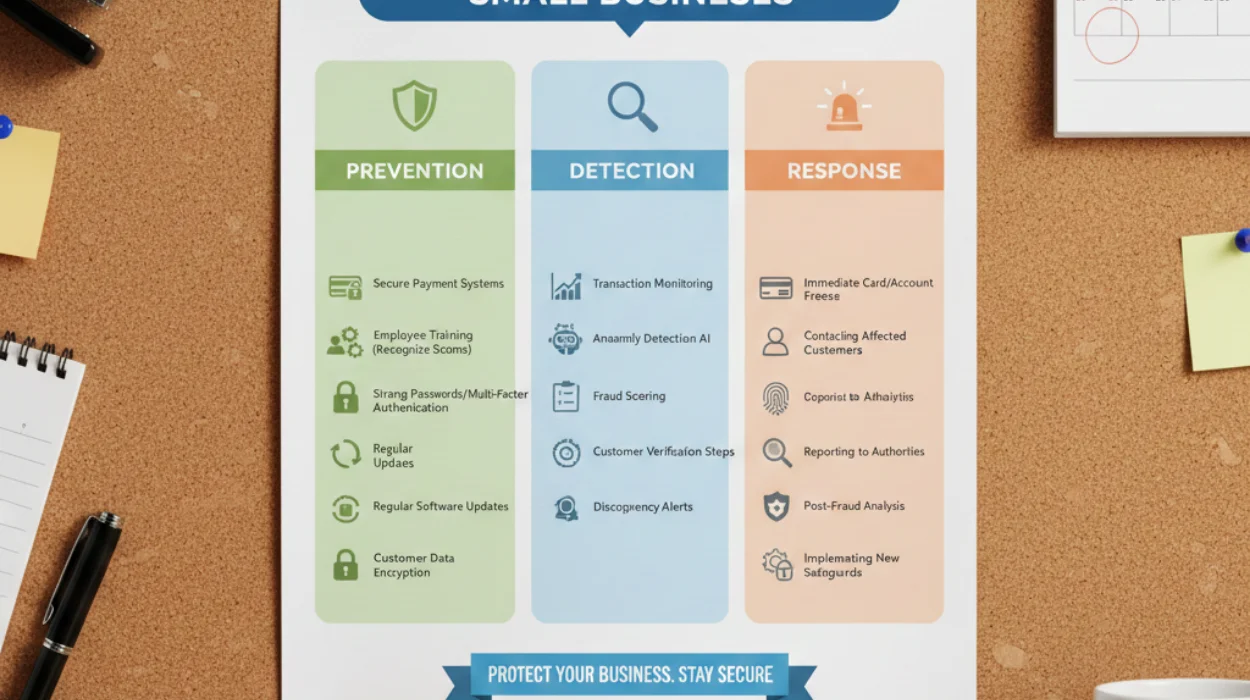
Fraud protection for small businesses works by combining proactive monitoring, secure systems, and verification processes to detect, prevent, and respond to fraudulent activity before it impacts finances or reputation. In essence, it safeguards your company’s operations, data, and cash flow through smart, layered security measures.
Why Fraud Protection Matters More Than Ever
Fraud has become one of the most unpredictable risks facing small businesses. Cyberattacks, payment scams, fake identities, and data breaches are no longer limited to big corporations. According to UK government reports, nearly half of small businesses experience some form of online or financial fraud each year. The consequences go beyond financial loss trust, reputation, and customer confidence can be severely damaged.
That’s why robust Fraud Protection measures aren’t optional they’re an operational necessity. For entrepreneurs and SMEs registered through Form My Company (FMC), proactive defence strategies are as vital as legal compliance or tax registration.
Understanding the Fundamentals of Fraud Protection
Fraud protection is a coordinated system of technologies, policies, and processes aimed at identifying and preventing fraudulent transactions or activities. For small businesses, this typically includes identity verification, data encryption, financial monitoring, and staff training.
At its core, fraud protection works across three stages:
- Prevention: Implementing controls that reduce risk (e.g., secure payment gateways, background checks).
- Detection: Using real-time monitoring tools to identify suspicious actions, anomalies, or duplications.
- Response: Taking swift corrective action to contain damage and strengthen defences against future incidents.
Just as every business strategy starts with clarity of structure, an effective protection framework requires layered components that complement each other across these three stages.
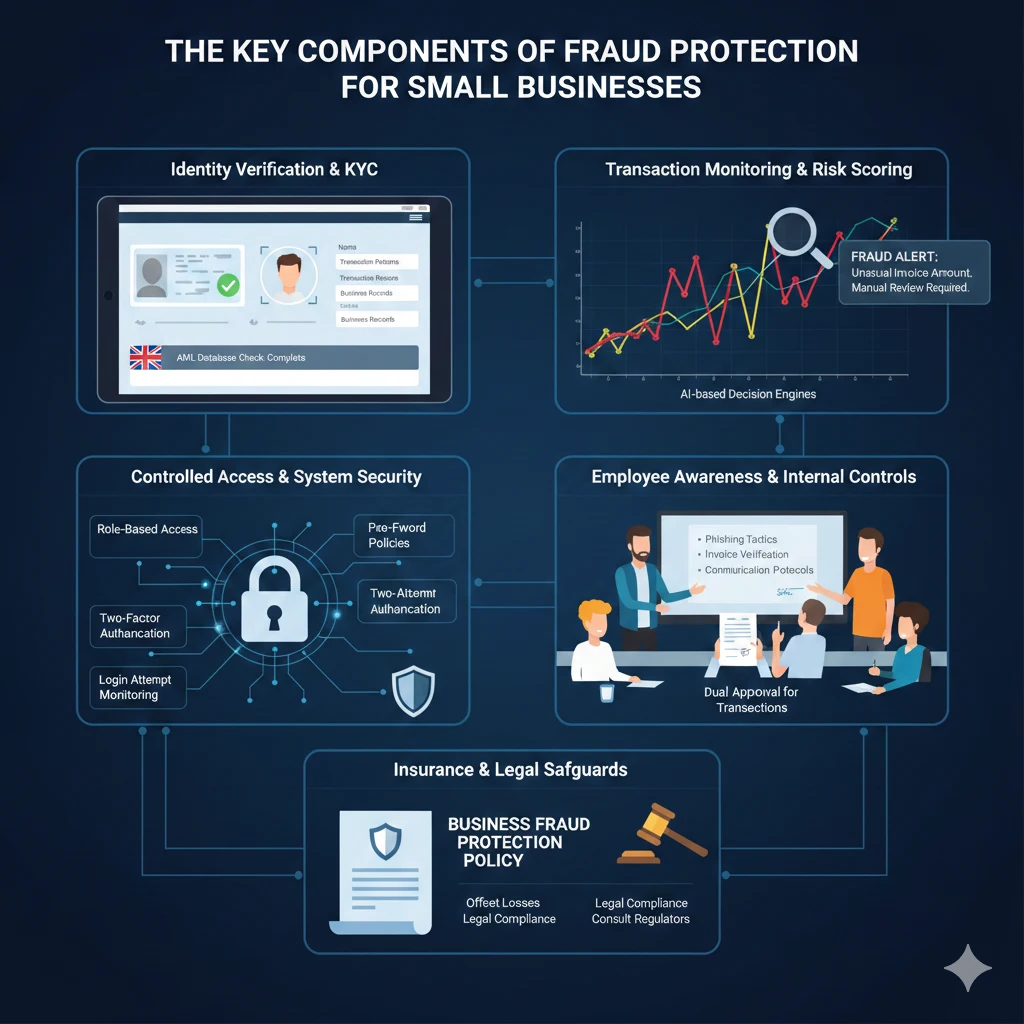
The Key Components of Fraud Protection for Small Businesses
Fraud protection for small enterprises involves several interlinked layers built to match both operational needs and legal standards.
Identity Verification and KYC Processes
Know Your Customer (KYC) procedures ensure only legitimate clients and partners engage with your business. By verifying identification documents, transactional patterns, and business records, small companies minimise exposure to fake or stolen identities.
For instance, digital onboarding systems can automatically authenticate ID uploads, detect forgery anomalies, and confirm client credentials using AML (Anti-Money Laundering) databases. These systems not only deter fraud but also ensure compliance with UK regulatory frameworks.
Transaction Monitoring and Risk Scoring
Advanced fraud detection systems continuously analyse payment activity. Using algorithms and AI-based decision engines, they rate transactions based on risk levels. A spike in invoice amounts or an unusual access time could trigger alerts that prompt manual review before funds are cleared.
This continuous oversight approach allows businesses to act before minor discrepancies escalate into serious breaches protecting both revenues and vendor relationships.
Controlled Access and System Security
Fraud often arises when internal systems are too open. Applying role-based access controls, password policies, and two-factor authentication helps ensure sensitive data remains visible only to authorised personnel. Businesses can also integrate fraud protection tools that monitor login attempts or network intrusion attempts in real time.
Employee Awareness and Internal Controls
Human error is one of the most exploitable weaknesses in small organisations. Fraudsters rely on rushed approvals or unverified information to infiltrate operations. Regular staff training on phishing tactics, invoice verification, and communication protocols reduces these vulnerabilities immensely.
Simple controls like dual approval for bank transactions or auditing vendor changes can create strong internal barriers against fraud.
Insurance and Legal Safeguards
Even the most secure systems can face sophisticated fraud attempts. Business insurance with fraud protection clauses can offset certain losses, while legal compliance policies ensure accountability when incidents occur. Consulting authorised service providers or regulators can further strengthen resilience.
How Technology Strengthens Fraud Protection
Modern fraud protection solutions rely heavily on digital innovation. Automation, AI, and cloud-based security solutions all play central roles in preventing financial and data-related crimes.
Artificial Intelligence and Machine Learning
AI-based monitoring platforms can detect minute anomalies that human eyes might miss. By learning from transaction data, they identify patterns that match fraudulent activity, stopping suspicious actions in real time. These predictive systems give businesses the agility needed to handle evolving threats—especially as fraud techniques grow more complex.
Multi-Layer Security Systems
A single password or verification method is no longer enough. Multi-factor authentication (MFA), encryption technologies, and tokenization together create multiple checkpoints that frustrate attackers. Each layer adds a step that a criminal must overcome, significantly lowering successful breach rates.
Data Encryption and Secure Payment Gateways
Using encrypted communication ensures sensitive client and financial data remains unreadable to intruders. Reputable payment processors also provide strong encryption, safeguarding every transaction from gateway to settlement.
Small businesses using regulated platforms or verified accounting systems automatically benefit from enhanced fraud barriers ensuring that customer trust remains intact through every transaction.
The Role of External Services and Professional Protection Support
External Fraud Protection services play a powerful role in supporting small businesses, allowing them to outsource parts of fraud detection and compliance to experts. Form My Company offers such services through its fraud protection solutions, helping startups and SMEs implement structured, compliant frameworks.
These services typically include:
- Business verification and background screening
- Automated compliance monitoring
- Suspicious activity alerts and data audits
- Employee training modules on risk awareness
Partnering with professional providers ensures these systems scale as your business grows—so security remains efficient, not excessive.
If you want to explore the different types of services available, read our related article on what fraud protection services offer the best security for a detailed comparison of providers and features.
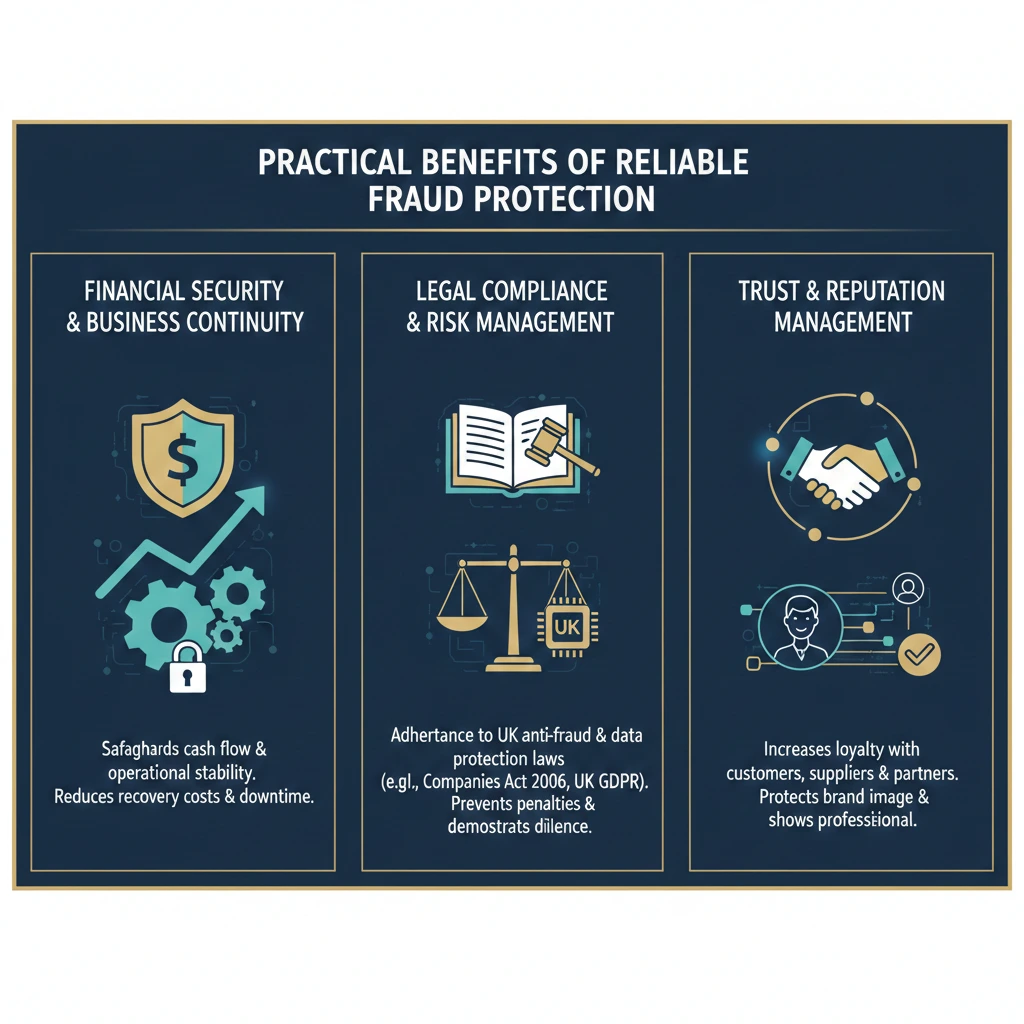
Practical Benefits of Reliable Fraud Protection
Financial Security and Business Continuity
Preventing fraud safeguards not only cash flow but also operational stability. Recovering from fraud incidents can be costly and time-consuming. Businesses with preventive systems in place can maintain continuity even when facing attempted attacks.
Legal Compliance and Risk Management
Adhering to UK anti-fraud and data protection laws reduces exposure to legal penalties. For example, the Companies Act 2006 and UK GDPR mandate secure data handling and business identity verification. Having effective fraud protection reflects a company’s diligence in maintaining compliance.
Trust and Reputation Management
Customers, suppliers, and partners are more likely to continue business with a brand that safeguards their data. In an age where consumer trust determines loyalty, fraud incidents can be reputationally damaging. Transparent, well-documented fraud protection demonstrates professionalism and reliability.
How Form My Company Supports Your Business Security
At Form My Company, fraud protection goes beyond technology it’s about building secure foundations for long-term business growth. The brand’s dedicated Fraud Protection Service helps small companies apply regulatory compliance, digital security frameworks, and verified risk management processes in one integrated system.
By partnering with trusted digital validation providers and financial networks, FMC ensures clients can register, manage, and grow their businesses confidently, knowing their identity and transactions are well-guarded.
When your business moves closer to choosing a solution, our follow-up article, What Fraud Protection Services Offer the Best Security?, dives deeper into comparing professional options. For those ready to adopt a robust, managed solution, explore our next-stage guide: Protect Your Company Now with Professional Fraud Protection.
Fraud threats evolve constantly, but with layered prevention, timely detection, and strong compliance, small businesses can stay resilient against them. Fraud protection works best as a proactive habit built into every component of daily operations and reinforced through trusted partnerships.
Form My Company helps ensure that every entrepreneur not only forms their business securely but also protects it effectively for the future.
How does Fraud Protection from Form My Company help small businesses?
Fraud Protection from Form My Company helps small businesses detect and prevent unauthorized transactions through layered verification, monitoring, and compliance systems. It reduces financial risks and ensures safer operations aligned with UK business regulations.
What are the main types of business fraud that Fraud Protection covers?
Fraud Protection typically safeguards businesses from identity theft, payment fraud, phishing scams, and internal misuse. Form My Company’s service focuses on both digital and operational layers to reduce vulnerabilities and support regulatory compliance.
Do small businesses need professional Fraud Protection services?
Yes, small businesses face increasing risks from cybercrime, invoice scams, and data breaches. Professional Fraud Protection services like those from Form My Company provide the tools and expertise needed to detect fraud early and sustain business integrity.
How does Fraud Protection work in preventing online payment fraud?
Effective Fraud Protection uses transaction monitoring, encryption, and real-time alerts to identify unusual payment activity before losses occur. Form My Company integrates these systems to ensure secure payment processes for small and growing enterprises.
Is Fraud Protection required for company registration in the UK?
While not legally mandatory at registration, Fraud Protection is strongly advised to safeguard sensitive company data and financial information. Form My Company offers compliance-aligned fraud prevention solutions that protect new businesses from the start.