
Confidentiality is crucial during executive-level hiring because it protects business strategy, reputation, and candidate privacy. Without strict discretion, both the employer and applicants can face strategic risks, trust issues, and potential reputational harm.
Executive hiring is one of the most sensitive processes a business can undertake. The stakes are higher, the scrutiny is greater, and the potential consequences of a breach in confidentiality can be severe. This article explores why protecting information during these top-tier recruitment stages is essential and how professional interview room services ensure secure, private environments that preserve trust and integrity throughout the process.
Why Executive Hiring Demands Absolute Discretion
At senior leadership levels, hiring decisions often signal major developments such as strategic shifts, business expansions, or organizational restructuring. When such information leaks prematurely, it can lead to internal disruption, stakeholder concerns, or industry speculation. Confidentiality safeguards both the company’s competitive edge and the personal reputation of potential hires.
Executives, in particular, value discretion. Many are currently employed in visible roles; being publicly associated with another opportunity could affect their current teams or investor confidence. Likewise, organizations must shield their own negotiations, preventing sensitive intentions from spreading before a formal announcement.
In short, confidentiality isn’t just courteous it’s a pillar of professional credibility and operational security.
The Business Risks of Confidentiality Breaches
Confidentiality in executive search goes beyond avoiding gossip. Its breach can cause measurable financial and strategic losses:
- Reputational impact: A leaked candidate list or hiring plan can suggest internal instability or management discord.
- Competitive exposure: Revealing plans to hire executives in emerging departments may indirectly expose business initiatives to competitors.
- Candidate withdrawal: High-caliber candidates may exit the process entirely if they suspect inadequate privacy protections.
Each factor undermines trust between the organization and its talent network. For this reason, professional companies increasingly rely on secure environments and procedural rigor to maintain discretion throughout high-stakes recruitment cycles.
How Secure Interview Environments Support Confidential Hiring
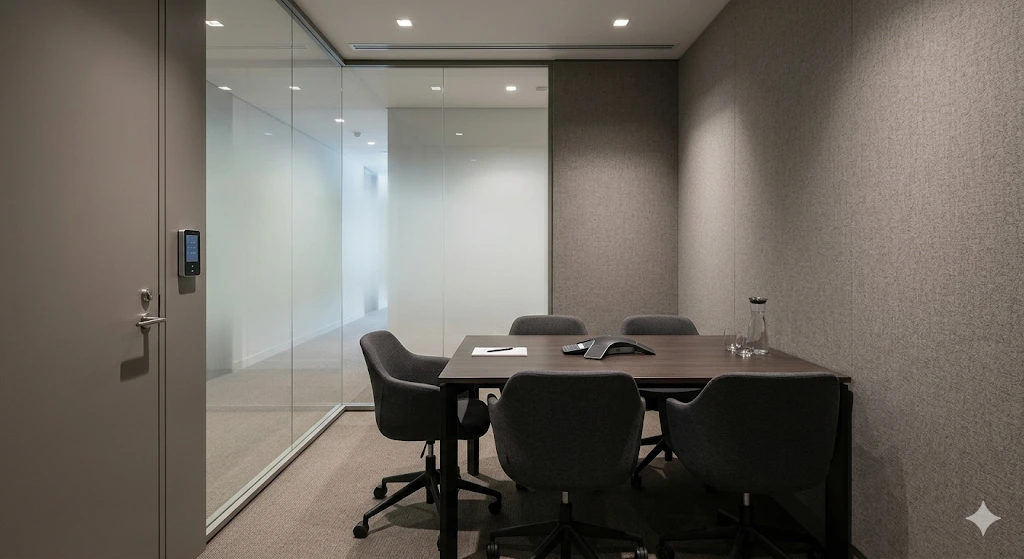
A controlled setting is one of the most effective ways to preserve confidentiality. Facilities designed for discretion such as Form My Company’s specialized Interview Rooms provide a private, professional space away from regular office activity where delicate business discussions can occur without risk of interception.
These secure rooms often include:
- Soundproofed walls preventing overheard conversations.
- Controlled access to prevent unauthorized entry.
- Neutral, unbranded decor to protect identity and blend with various corporate cultures.
By handling logistics and privacy infrastructure, such environments allow HR teams, consultants, and board members to focus entirely on the conversation rather than the risk of exposure.
Maintaining Candidate Trust Through the Hiring Process
Discretion fosters confidence among candidates. When executives see an organization managing information responsibly, they are far more likely to engage openly during interviews and discussions.
Trust, in this context, is not abstract it’s a measurable contributor to quality outcomes. Candidates who feel secure disclose their strategic insights and leadership philosophies more candidly, creating richer dialogue and better decision-making alignment between employer and candidate.
Moreover, a transparent yet confidential process reflects positively on the company’s culture. It signals professionalism, discretion, and respect all traits senior candidates actively seek in future employers.
The Legal and Ethical Framework Behind Confidential Hiring
Confidentiality during executive recruitment also intersects with legal considerations. Data protection regulations, professional conduct standards, and non-disclosure agreements form the backbone of compliant hiring practices.
- Data Security: Candidate information, especially personal or financial data, must comply with data privacy frameworks such as GDPR.
- Disclosure Control: Sensitive operational details shared during interviews must remain within strictly defined boundaries.
- Third-Party Management: External recruiters and consultants must adhere to contractual confidentiality clauses to maintain consistency throughout the hiring chain.
These principles not only protect participants but also reduce the organization’s exposure to legal or reputational risk.
When and How Disclosure Is Appropriate
While confidentiality is vital, transparency has its place. Once an executive appointment is finalized, companies may need to disclose the hire to internal teams, investors, or the public.
The key is timing premature disclosure can derail negotiations or disrupt current operations. Structured communication plans, often crafted in collaboration between HR and communications teams, ensure announcements enhance rather than harm corporate reputation.
By sustaining confidentiality until an appropriate time, organizations can control their narrative, manage market reactions, and preserve a sense of stability during transition phases.
The Role of Environment: Why Interview Rooms Matter
The physical setting where executive interviews occur plays a significant role in upholding confidentiality. A dedicated, private location ensures that discussions about corporate strategy, remuneration, or organizational transformation remain contained.
Form My Company’s interview room services are purpose-built for this level of need. Beyond aesthetic professionalism, these spaces integrate practical features such as secure access systems, discreet meeting arrangements, and high-grade connectivity for confidential virtual interviews.
The neutral setting also eliminates potential biases that might arise from meeting within an organization’s premises or a public location. In other words, the right physical environment enhances both confidentiality and candidate experience.
Aligning Strategy With Confidential Recruitment Protocols
For companies handling multiple leadership hires, confidentiality isn’t a one-off concern it becomes part of overall recruitment strategy. This often involves coordinated measures such as:
- Centralized storage of candidate information.
- Encrypted correspondence with short-lived access links.
- Document-handling protocols limiting access to involved executives only.
- Scheduled meetings in secure, off-site interview rooms.
By managing these systems within a coherent framework, businesses demonstrate operational maturity and strategic forethought qualities that inspire confidence among both internal stakeholders and high-level candidates.
From Process Integrity to Competitive Advantage
Discreet hiring practices offer more than protection; they establish a competitive advantage. When potential hires recognize that your firm manages executive recruitment respectfully and professionally, it elevates your brand value as an employer.
This culture of confidentiality frequently translates into stronger partnerships with search firms, smoother integration for new executives, and greater morale across existing teams. The organization becomes known not merely for leadership excellence but for governance integrity an increasingly important differentiator in modern business environments.
Related Insight: Why Private Spaces Enhance Executive Interviews
To learn more about how structured settings contribute to effective recruitment outcomes, explore our related article Why High-Stakes Interviews Require Private and Secure Spaces.
It explains how controlled environments improve focus, professionalism, and candidate engagement across leadership-level hiring.
By connecting environment and confidentiality, companies can integrate logistical best practices into their overarching recruitment philosophies.
How to Transition from Confidentiality to Implementation
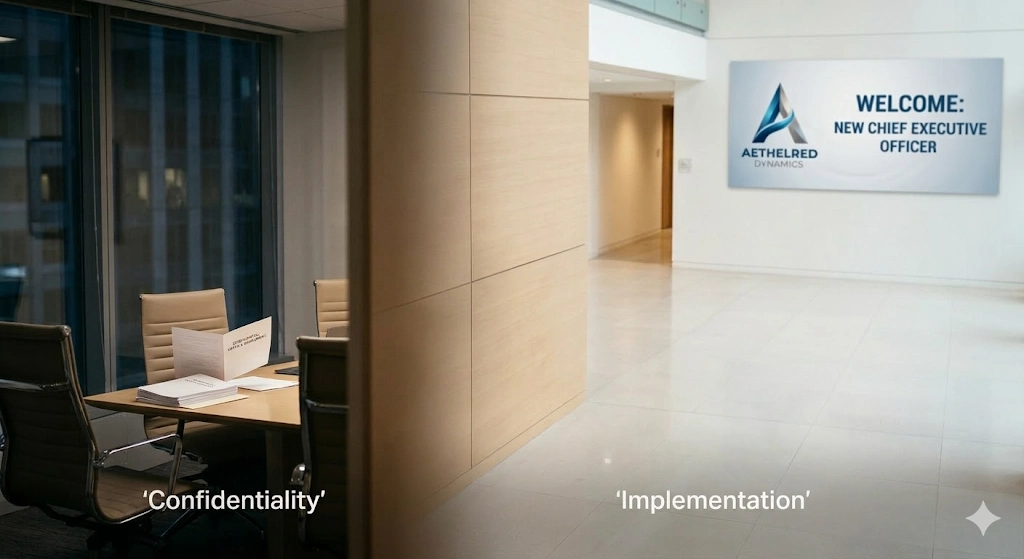
Once the right executive has been identified, confidentiality gradually evolves into structured onboarding. The same privacy principles used in interviews now guide offer finalization, announcement strategy, and transition planning.
For example, sensitive elements such as compensation packages, succession details, or contractual clauses remain restricted until confirmation. Discussion then moves to internal briefings and controlled public communication.
By sustaining consistent confidentiality from first contact to formal appointment, companies ensure seamless executive transitions with minimal disruption.
Building Professional Systems for Executive-Level Hiring
Effective executive recruitment benefits from specialized tools and environments designed with discretion in mind. Using private, professional meeting spaces conveys seriousness of intent and reduces operational risks.
Form My Company’s Interview Room Services cater specifically to this purpose offering a practical bridge between strategic human capital management and professional space coordination. The benefit is not just security but efficiency: booking, conducting, and following up on confidential interviews within one coherent system.
For companies positioned at the top of their industry, such a structured approach represents not a luxury but a necessity.
Ready for the Next Step?
Organizations seeking to maintain confidentiality while advancing their executive hiring strategies can further explore dedicated space solutions. Learn how to move from theory to practice in our commercial article: Reserve a Confidential Interview Room for Executive Level Hiring a guide to securing the logistical support essential for sensitive business decision-making.
At every level of executive hiring, confidentiality acts as a foundation for trust, decision quality, and brand reputation. It shapes the professional experience, ensures compliant processes, and signals an organization’s seriousness to those poised to lead it.
By combining rigorous privacy standards with the right environment such as Form My Company’s professional interview rooms businesses safeguard both their strategic interests and their candidates’ confidence. In high-stakes recruitment, integrity is non-negotiable, and discretion is the quiet strength behind every successful leadership appointment.
Why is confidentiality important when booking an interview room?
Confidentiality ensures that sensitive discussions, such as executive interviews or hiring decisions, remain private and secure. Using a professional Interview Room from Form My Company helps protect both candidate information and organizational strategy from exposure.
What features should a professional interview room include?
A professional Interview Room should offer privacy, soundproofing, secure access, and a neutral setting to maintain confidentiality. Form My Company provides rooms designed for executive meetings and confidential discussions that meet these key standards.
How do interview room services support executive-level hiring?
Executive hiring often involves confidential negotiations and strategic conversations. Form My Company’s Interview Room services create a controlled environment that keeps meetings discreet, protecting business integrity and candidate trust.
Can interview rooms be used for virtual or hybrid interviews?
Yes, modern Interview Rooms typically include secure video conferencing tools and stable connectivity for hybrid or virtual sessions. Form My Company accommodates digital interviews while maintaining the same level of privacy as in-person meetings.
How far in advance should I book a private interview room?
It’s best to book a Form My Company Interview Room several days to a week in advance, especially for executive-level interviews requiring confidentiality. Early reservation ensures availability of the right space and technical setup for your specific needs.