
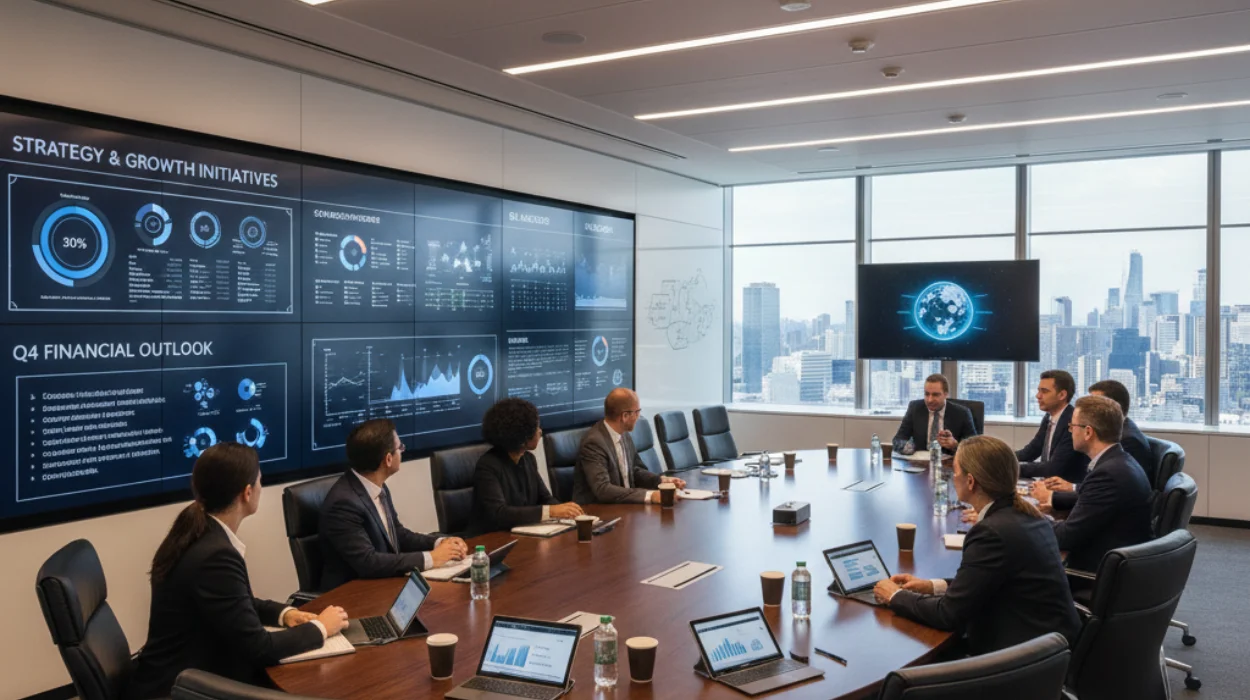
Hosting a high-impact meeting in a modern boardroom involves meticulous planning, leveraging advanced technology, and fostering structured interaction to drive decisions and accountability. This approach ensures participants leave with clear actions, especially critical for directors and shareholders navigating company compliance. Effective boardroom meetings elevate business strategy while aligning with UK governance standards.
In today’s fast-paced business landscape, meetings are the heartbeat of decision-making for UK entrepreneurs and company directors. A modern boardroom equipped with seamless tech integration, ergonomic design, and professional ambiance transforms routine gatherings into high-impact sessions that propel growth. For startups fresh from Companies House registration or established firms managing VAT and PAYE obligations, the boardroom serves as a command centre where strategic discussions on business structures, shareholder agreements, and compliance take shape.
The stakes are high: poor meetings waste time and erode trust among directors and stakeholders. Conversely, a well-hosted session in a contemporary boardroom reinforces authority, facilitates data-driven insights, and ensures all attendees, from shareholders to operational leads, are aligned. This is particularly vital for SMEs operating from registered offices or virtual setups, where projecting professionalism can attract investors and partners. Mastering this art not only boosts productivity but also underscores your commitment to robust corporate governance.
Step-by-Step Guide to Hosting Your Meeting
Preparation Phase: Setting the Foundation
Begin with defining clear objectives at least 48 hours in advance. Circulate a precise agenda via secure platforms, outlining topics like reviewing Companies House filings, VAT thresholds, or PAYE compliance updates. Specify time allocations e.g., 15 minutes for financials, 20 for strategic planning to keep momentum.
Select your modern boardroom thoughtfully. Opt for spaces with high-speed Wi-Fi, interactive whiteboards, and video conferencing for hybrid attendance, essential when shareholders are remote. Arrange seating in a U-shape or boardroom layout to promote eye contact and equality, avoiding hierarchical pitfalls. Test all AV equipment: projectors displaying real-time dashboards, microphones for crystal-clear audio, and charging stations to prevent disruptions.
Gather materials digitally shared drives for director reports, shareholder updates, and compliance checklists. This preparation mirrors the diligence required in company formation, ensuring no detail undermines your meeting’s impact.
Execution Phase: Running the Meeting Dynamically
Start promptly with a 2-minute icebreaker tying into business goals, such as recent compliance milestones. Assign a timekeeper and note-taker to maintain flow. Use the boardroom’s tech: live polls via apps for quick consensus on issues like registered office changes, or screens mirroring data visuals for PAYE forecasts.
Facilitate inclusively call on quieter directors or shareholders to contribute, preventing dominant voices from skewing decisions. Employ techniques like round-robin feedback for equitable input on business structures. Pause for Q&A after major segments, documenting action items with owners and deadlines, e.g., “John to file updated PSC register by Friday.”
Conclude with a 5-minute recap, reinforcing key outcomes and next steps. This structured execution maximises the modern boardroom’s potential, turning discussions into tangible progress.

Benefits and Potential Risks
Modern boardrooms amplify meeting effectiveness through several key benefits. Enhanced technology enables real-time collaboration, reducing miscommunication on critical compliance matters like annual accounts or director appointments. Professional settings boost participant engagement, leading to innovative ideas on scaling business structures or optimising VAT strategies. Improved outcomes include faster decision-making studies show structured environments cut meeting times by 20% and stronger team cohesion among shareholders and directors.
Additionally, these spaces project credibility, vital for investor pitches or partner negotiations post-company formation. Risks, however, exist: over-reliance on tech can cause glitches, derailing flow if backups aren’t ready. High costs of premium boardrooms strain budgets for new SMEs without steady revenue. Poorly managed dynamics might amplify conflicts, especially on sensitive topics like shareholder disputes. Mitigation involves hybrid tech redundancies and facilitator training, balancing gains with prudent oversight akin to maintaining PAYE records.
Legal and Compliance Considerations
UK companies must navigate stringent regulations during boardroom meetings, particularly under the Companies Act 2006. Directors owe fiduciary duties to act in the company’s best interests, making accurate minute-taking mandatory digital recordings in modern boardrooms must be securely stored for at least 10 years. Shareholder meetings require quorum rules and proxy voting facilitation, often streamlined via boardroom video links.
Compliance extends to data protection: under UK GDPR, discussing personal data (e.g., director backgrounds or employee PAYE details) demands consent and secure handling. Virtual office users must verify boardroom spaces meet accessibility standards per the Equality Act 2010. For regulated entities, filming resolutions on Companies House updates or VAT deregistration needs evidential integrity.
Non-compliance risks fines or director disqualifications, underscoring the need for pre-meeting legal reviews. Integrating these into agendas fortifies governance, much like routine confirmation statement filings.
Common Mistakes to Avoid
A frequent error is vague agendas, leading to scope creep and unresolved issues like delayed compliance filings. Entrepreneurs often overload schedules, ignoring modern boardroom capacities e.g., cramming 12 into a 10-person space disrupts focus on shareholder strategies.
Tech failures from untested setups waste prime time; always conduct dry runs. Dominance by senior directors stifles input, breeding resentment counter with timed interventions. Neglecting follow-ups dooms action items, mirroring lapses in registered office notifications.
Rushing closures skips recaps, eroding accountability. Overlooking inclusivity for remote shareholders via poor hybrid tech alienates stakeholders. Each mistake undermines authority, akin to sloppy Companies House submissions, and erodes trust essential for business growth.
Practical Tips and Best Practices
Leverage modern boardroom features: integrate AI notetakers for instant transcripts, searchable for compliance audits. Pre-load agendas on room tablets for seamless access. Use ambient lighting and ergonomics to sustain energy dim for brainstorming, brighten for data reviews.
Encourage pre-reading to dive deep into topics like PAYE thresholds. Rotate facilitators for fresh perspectives on business structures. Post-meeting, automate follow-ups via integrated CRM tools linking to Companies House portals.
For virtual offices, book recurring slots post-formation for cost-efficiency. Track metrics: decision speed, satisfaction scores. These practices elevate meetings, fostering agile, compliant enterprises.
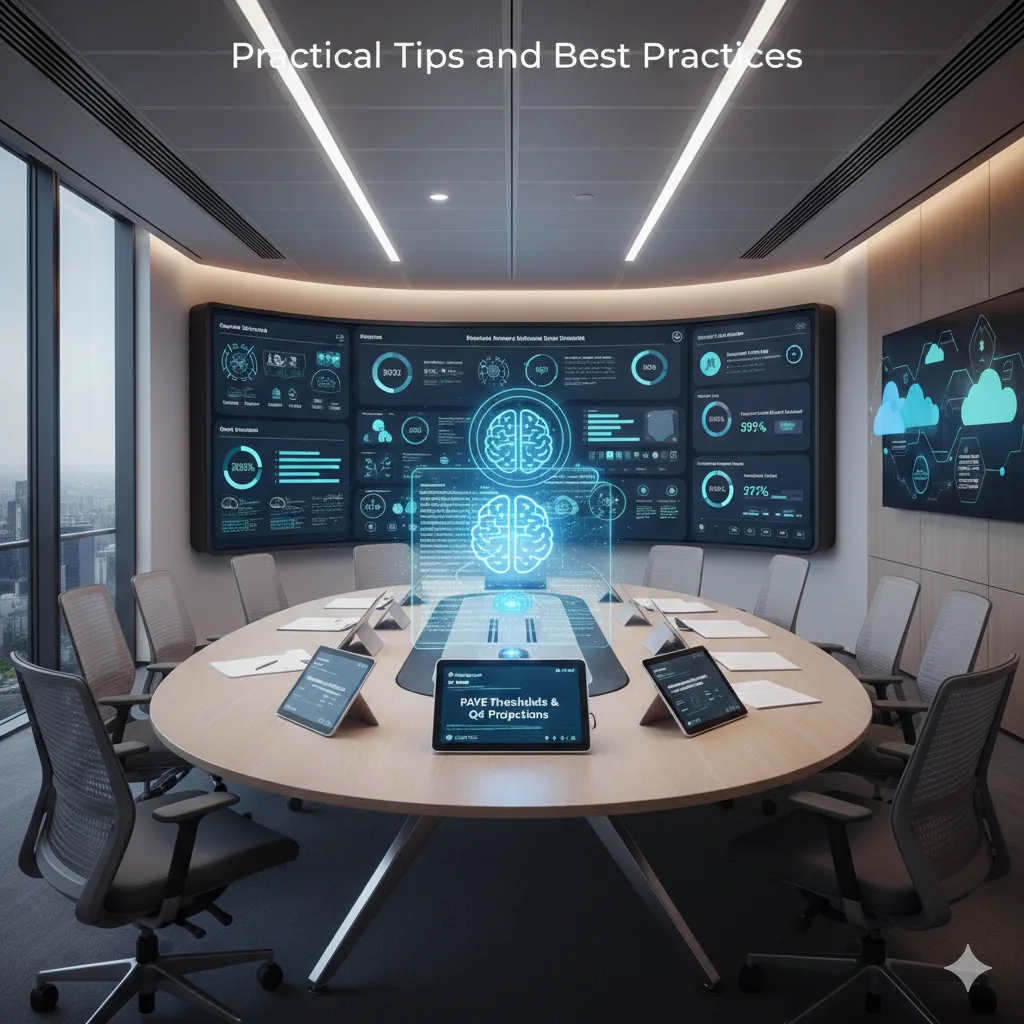
Mastering high-impact meetings in modern boardrooms demands preparation, execution, and follow-through, yielding decisions that propel UK businesses forward. From compliance alignment to strategic innovation, these sessions solidify directorial and shareholder confidence.
If you’re ready to register your company with confidence, Form My Company provides fast, fully online company formation with expert compliance support. Get started today and let our specialists handle the paperwork registration, VAT, PAYE, virtual offices while you focus on growing your business.
Frequently Asked Questions
How does boardroom tech improve compliance discussions?
Tech like secure screens and recording tools ensures accurate minutes for Companies House, while encrypted shares protect sensitive VAT/PAYE data under UK GDPR.
Can startups afford modern boardrooms?
Yes, virtual office packages offer hourly rentals, ideal post-registration, projecting professionalism without full office overheads.
What if hybrid attendees dominate remotely?
Use equalising tools: shared cursors, polls, and spotlight features maintain parity between in-room directors and off-site shareholders.
How to handle conflicts in high-stakes meetings?
Set ground rules upfront, use mediated breaks, and park issues for offline resolution, preserving directorial duties.
Why minute board meetings religiously?
Minutes evidence decisions, shielding against disputes and satisfying statutory requirements for governance transparency.