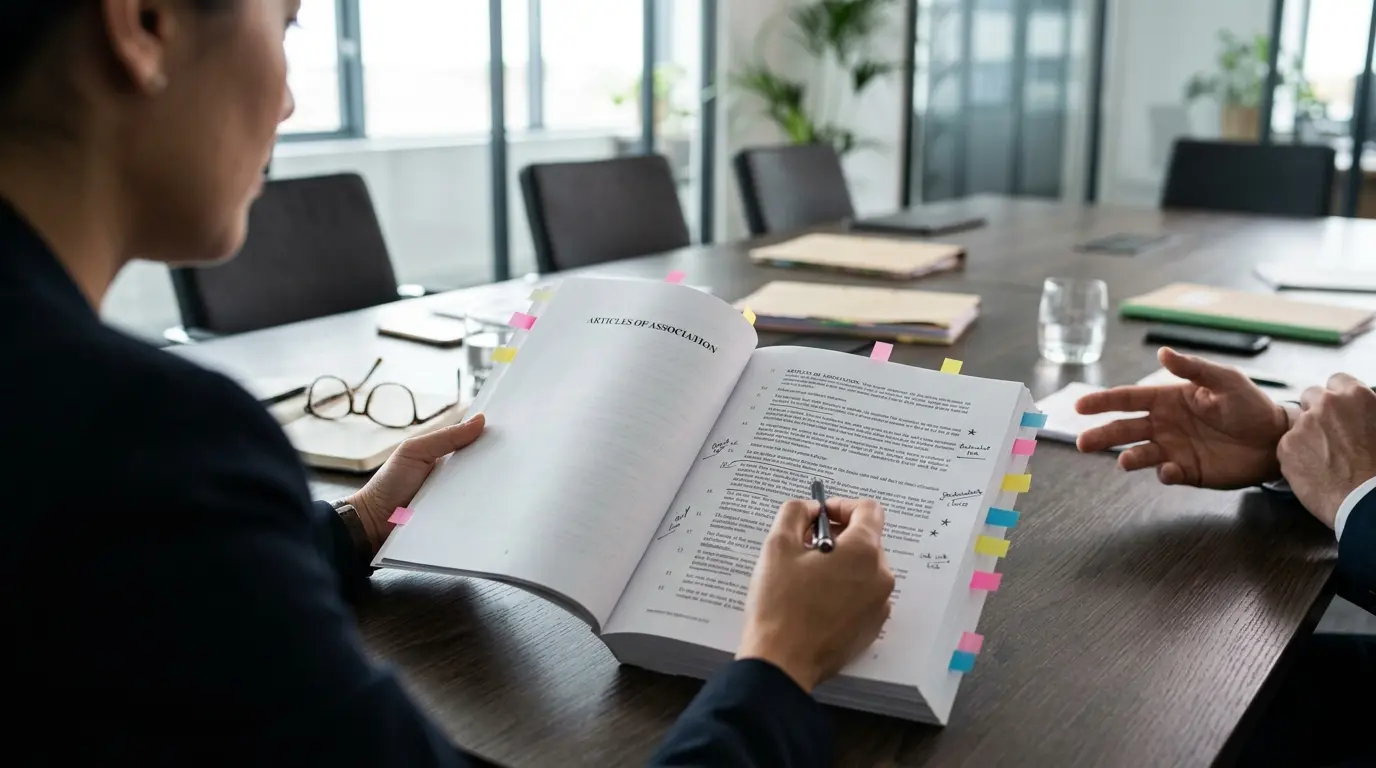
Planning an inclusive meeting for a diverse team requires assessing accessibility requirements, providing adaptive communication tools, establishing flexible scheduling frameworks, and selecting professional environments that accommodate distinct physical, sensory, and cognitive needs.
Modern organizations operate with increasingly distributed personnel. Inclusive collaboration demands systematic preparation across physical and digital domains. Diverse participants bring varied perspectives, communication preferences, and accessibility requirements. Strategic planning removes operational friction, ensuring every participant contributes effectively without experiencing exclusion.
Business leaders must evaluate venue logistics, digital infrastructure, and meeting schedules simultaneously. Inclusive practices elevate overall productivity, drive engagement, and foster psychological safety across all departments. Structured frameworks eliminate guesswork, replacing ad-hoc accommodations with repeatable operational standards.
Why Is Physical Accessibility Essential for Corporate Meetings?
Physical accessibility is essential because 14.1 million disabled people reside in the UK, requiring barrier-free entryways, adjustable seating, and optimized room layouts that accommodate wheelchair users and mobility-impaired attendees without segregation.
Physical environments dictate whether attendees can enter, navigate, and participate in corporate sessions comfortably. Venues must feature step-free access, automated doors, and wide corridors. Elevators must remain operational throughout the entire event schedule. Restrooms require adequate turning radii, grab bars, and emergency pull cords.
Selecting optimal physical spaces directly impacts participant comfort and legal compliance. Organizations utilize professional infrastructure such as a bookable conference room to secure fully accessible, purpose-built environments. Adjustable furniture accommodates different body types and physical requirements seamlessly. Lighting controls minimize glare for individuals with visual sensitivities, while acoustic dampening panels reduce background noise for hearing-impaired participants.
How Do You Integrate Digital Accessibility Tools into Sessions?
Integrating digital accessibility tools requires deploying live captioning software, distributing high-contrast presentation materials in advance, and utilizing screen-reader-compatible documents to support participants with visual, auditory, and neurodivergent processing needs.
Hybrid teams rely on digital platforms that bridge geographical and sensory divides. Meeting organizers must test conferencing software compatibility before sessions begin. Live transcription services convert spoken dialogue into readable text automatically. Presenters format slide decks using sans-serif fonts sized at 24 points or larger.
Clear visual hierarchy ensures screen readers interpret slides accurately. Color palettes must maintain strict contrast ratios exceeding 4.5 to 1 for text readability. Distributing digital handouts 24 hours prior allows participants utilizing assistive technologies to review content thoroughly. Interactive whiteboards require keyboard-navigation support alongside mouse-driven inputs.
What Scheduling Frameworks Support Global and Diverse Teams?
Supporting global and diverse teams requires rotating meeting times within core hours, limiting session durations to 60 minutes, and incorporating mandatory breaks to accommodate religious observances, caregiving duties, and cognitive fatigue management.
Rigid scheduling excludes team members operating across different time zones or managing personal responsibilities. Teams establish rotational meeting matrices that distribute inconvenience equitably across global hubs. Organizers schedule sessions between 10:00 AM and 4:00 PM local time whenever possible.
Shorter meeting blocks maintain high engagement levels and prevent cognitive exhaustion. Five-minute transitions between agenda items allow participants to stretch, hydrate, or manage medical requirements. Integrating asynchronous preparation phases reduces live meeting pressure, enabling reflective contributors to share insights effectively.
How Do Facilitation Techniques Ensure Equitable Participation?
Ensuring equitable participation requires deploying structured round-robin formats, utilizing anonymous digital voting tools, and appointing neutral facilitators who actively balance airtime between dominant speakers and quieter contributors.
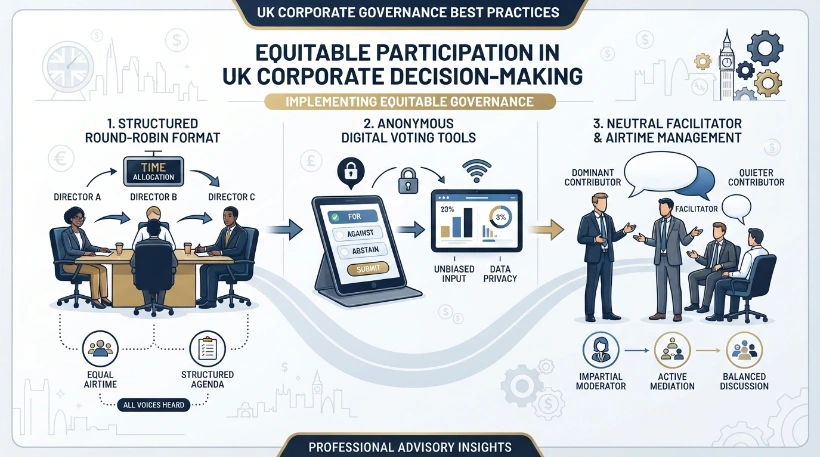
Traditional meetings often favor vocal extroverts while marginalizing introverted or remote participants. Facilitators implement silent brainstorming periods where attendees write ideas independently before verbal discussion. Anonymous submission channels remove status biases, letting merit drive idea evaluation.
Teams establish clear communication norms regarding interruptions and active listening. Facilitators explicitly invite perspectives from silent attendees using targeted, non-intrusive prompts. Visual cues indicate when remote participants request speaking turns, eliminating audio lag conflicts.
What Metrics Validate the Success of Inclusive Meetings?
Validating inclusive meeting success requires tracking post-meeting survey completion rates, measuring speaking time distribution across departments, and analyzing qualitative feedback regarding psychological safety and accessibility compliance.
Data-driven evaluation transforms inclusion from an abstract goal into a measurable operational standard. Organizations deploy automated pulse surveys immediately following sessions. Questions measure perceived psychological safety, audio-visual clarity, and scheduling fairness on a five-point scale.
| Metric Category | Target Indicator | Measurement Method |
| Attendance Equity | 90% active participation rate | Interaction logs and chat analysis |
| Accessibility Rating | 4.8 out of 5 satisfaction score | Post-meeting anonymous surveys |
| Schedule Fairness | Zero recurring time-zone bias | Quarterly calendar audit reports |
Reviewing these metrics quarterly helps leadership identify systemic bottlenecks. Companies refine venue selections, adjust software subscriptions, and update internal guidelines based on empirical employee feedback.
Planning an inclusive meeting for a diverse team demands rigorous attention to physical venues, digital tools, scheduling flexibility, and equitable facilitation techniques. Eliminating operational barriers ensures every participant contributes valuable insights. Form My Company empowers businesses to execute inclusive gatherings flawlessly by providing fully equipped, accessible spaces tailored for modern enterprise collaboration. Organizations implementing these structured methodologies cultivate high-performing, resilient teams driven by diverse perspectives.
Explore our Conference Room guide,
What Is a Solicitor-Certified True Copy of a Company Document?
What Is the Difference Between a Company Seal and a Stamp?