Hosting on-site interviews for a remote-first company requires booking neutral professional spaces, synchronizing multi-timezone schedules, reimbursing travel expenses, and utilizing dedicated Interview Rooms to evaluate final-round candidates face-to-face.
Why Do Remote-First Companies Need Physical Interview Spaces?
Remote-first companies need physical interview spaces because final hiring decisions demand face-to-face interaction, deep cultural assessments, and secure verification of candidate credentials before employment contracts are finalized.
Remote-first operational models eliminate central offices to save overhead costs. Distributed teams collaborate exclusively through digital channels. When hiring senior leadership or specialized technical roles, distributed organizations encounter evaluation limits. Video calls obscure subtle body language cues. Screen sharing conceals collaborative dynamics.
Physical meeting environments restore sensory dimensions to candidate assessment. Evaluators observe leadership presence, interpersonal chemistry, and cognitive adaptability under real-world conditions. Bringing regional team members together requires neutral professional venues. How Do Remote-First Companies Interview Candidates In Person? outlines early operational frameworks for distributed hiring teams. Professional workspaces bridge the physical gap for distributed decision-makers.
How Should Distributed Hiring Teams Coordinate Multi-Timezone Schedules?
Distributed hiring teams coordinate multi-timezone schedules by establishing centralized calendar availability, utilizing automated booking software, locking in dates two weeks in advance, and minimizing travel fatigue for cross-border panel members.
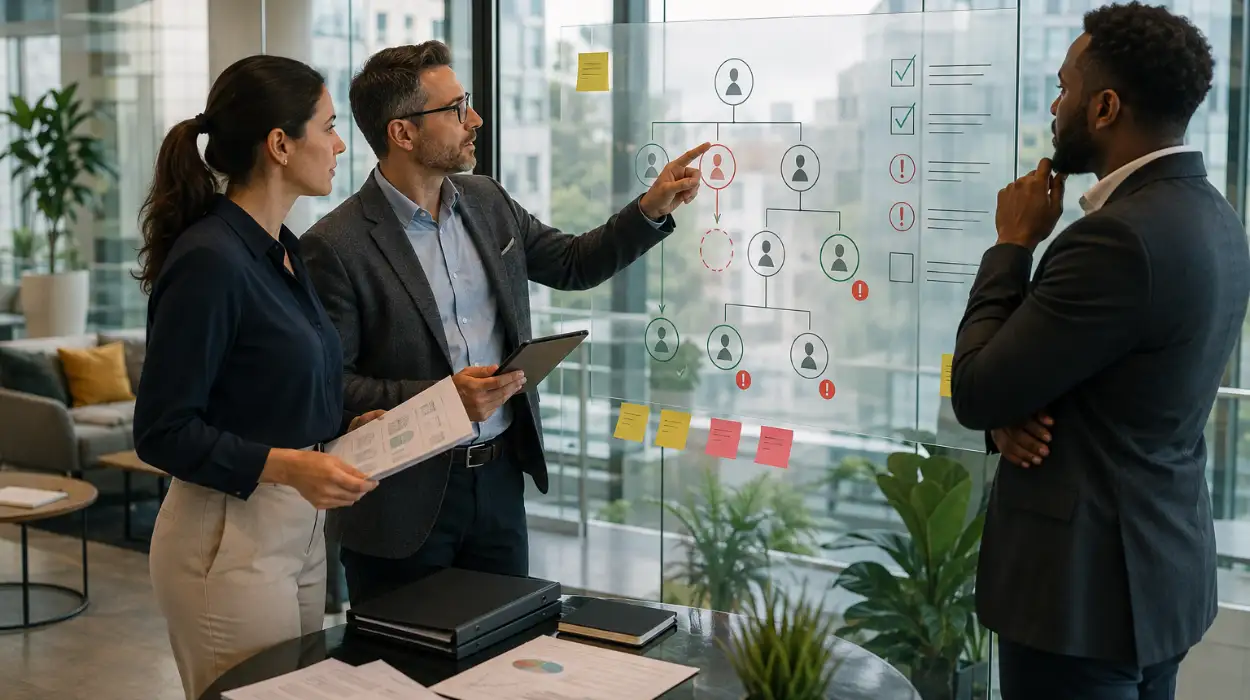
Coordinating schedules across multiple international time zones creates complex logistical friction. Panel members often reside in different countries. Candidates travel from regional locations to central meeting hubs. Administrative teams eliminate scheduling conflicts by deploying shared digital calendar platforms.
Preparation timelines demand strict adherence to corporate travel windows. Organizers block out two full consecutive days for intensive candidate evaluations. Panelists receive confirmed agendas 14 days prior to the session. This advanced notice prevents operational disruption for remote workers. Structured pacing ensures every interviewer maintains high cognitive focus during assessments.
What Financial and Logistical Policies Govern Candidate Travel?
Candidate travel policies govern expenses by reimbursing economy flights, booking central hotel accommodations, providing fixed daily meal allowances, and issuing digital expense claim portals for rapid processing.
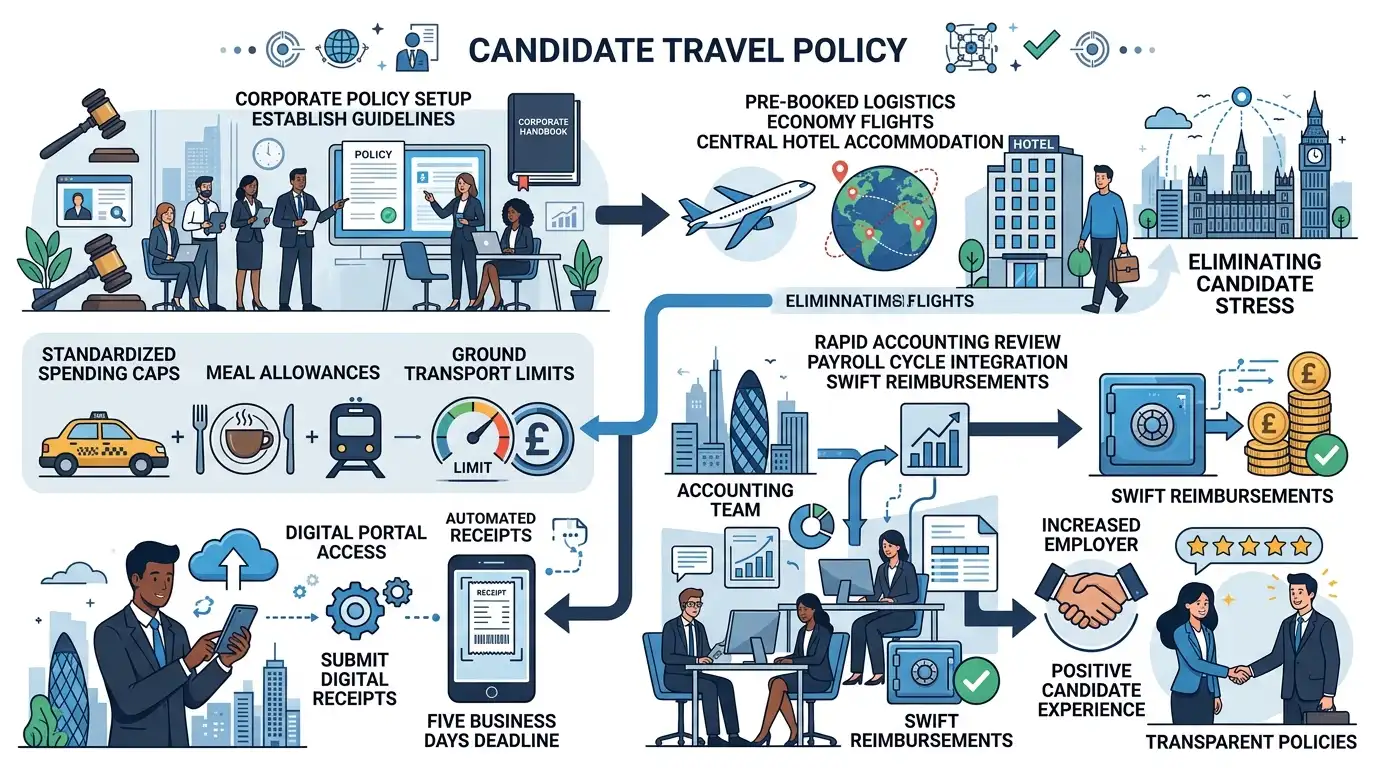
Transporting candidates across regions requires transparent financial policies. Organizations eliminate candidate stress by pre-booking major travel components. Corporate booking accounts cover direct flights and central hotel rooms. This prevents out-of-pocket financial strain for prospective employees.
Expense frameworks rely on standardized monetary caps. Finance departments establish clear spending limits for ground transport and meals. Candidates submit digital receipts through automated expense software within five business days. Accounting teams process reimbursements alongside standard payroll cycles. Clear financial transparency reinforces employer credibility during final evaluation stages.
How Can Businesses Secure Professional Spaces for Face-to-Face Assessments?
Businesses secure professional spaces for face-to-face assessments by auditing local co-working hubs, verifying high-speed fiber internet availability, testing enterprise video conferencing equipment, and reserving soundproof boardrooms for confidential discussions.
Finding the correct physical environment dictates interview success. Standard coffee shops fail to provide required privacy levels. Corporate teams bypass workspace deficits by booking purpose-built environments. Dedicated corporate service providers deliver professional settings equipped with enterprise infrastructure.
Facility selection criteria focus on technical reliability and acoustic privacy. Meeting rooms require high-speed wired internet connections to support remote panel members joining via video. Acoustic insulation prevents confidential executive discussions from leaking into adjacent spaces. Professional environments project corporate stability to prospective hires. When companies plan final-stage evaluations, exploring options like Ready to Book On-Site Interview Rooms for Remote Teams With Form My Company? streamlines the venue reservation workflow.
What Protocols Ensure Compliance During In-Person Evaluations?
Protocols ensure compliance during in-person evaluations by executing strict non-disclosure agreements, verifying original physical identity documents, recording scorecards digitally, and archiving assessment data within secure human resource systems.
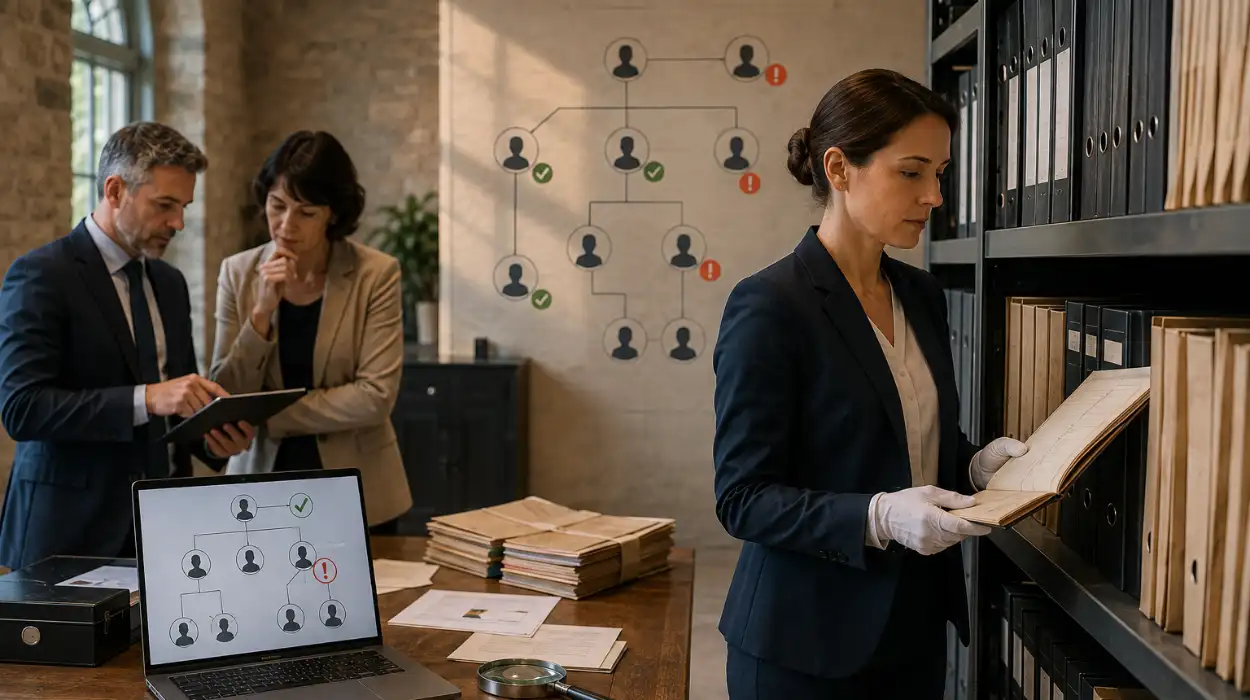
Legal compliance governs every phase of on-site candidate evaluation. Human resource officers enforce data protection regulations across physical and digital records. Visitors sign electronic non-disclosure agreements before entering executive meeting rooms.
Identity verification processes require physical inspection of government-issued credentials. Compliance officers inspect original passports, check biometric security features, and log validation timestamps. Interviewers record candidate performance on standardized digital scorecards. Centralized human resource systems store evaluation metrics securely to satisfy employment law audits.
Summary of UK Company Registration & Meeting Setup Essentials
For founders establishing corporate structures or organizing physical operations in the United Kingdom, reviewing core requirements helps streamline administrative execution.
| Operational Category | Key Requirements | Actionable Execution Steps |
| Legal Compliance | Identity checks and data security | Verify original passports, execute strict NDAs, log audit trails |
| Travel Logistics | Flights, hotels, and expense policies | Pre-book central accommodation, set meal allowances, use digital portals |
| Venue Infrastructure | High-speed internet and privacy | Audit co-working hubs, test video conferencing, secure soundproof rooms |
| Schedule Coordination | Multi-timezone synchronization | Deploy shared calendars, lock dates 14 days early, manage panel fatigue |
Explore our Interview Rooms guide,
How to Decide Which Company Documents to Apostille for Overseas Use?
How to Meet Hiring Compliance Standards With Professional Venues?
Frequently Asked Questions
How do remote-first companies book professional interview rooms?
Remote-first companies book professional interview rooms by partnering with dedicated workplace providers like Form My Company to secure fully equipped, neutral spaces for final-round candidate evaluations. These spaces provide high-speed internet, private acoustic environments, and enterprise video conferencing infrastructure to bridge the gap between distributed teams and in-person assessments.
What should be included when organizing on-site interviews for remote candidates?
Organizing on-site interviews for remote candidates requires coordinating multi-timezone schedules two weeks in advance, pre-booking central hotel accommodations, and utilizing dedicated Interview Rooms for structured evaluation panels. Additionally, businesses must issue digital expense claim portals for rapid travel reimbursement and enforce strict non-disclosure agreements.
Why do distributed teams need physical interview spaces?
Distributed teams need physical interview spaces because final-round hiring decisions demand face-to-face cultural assessments, nuanced body language evaluation, and secure identity verification before contract execution. Video calls often obscure collaborative dynamics, making professional meeting environments essential for high-stakes leadership and technical hiring.
How are travel expenses managed for candidates visiting a remote company?
Candidate travel expenses are managed by establishing clear monetary caps for flights, ground transport, and daily meals within standardized corporate policies. Finance teams pre-book major travel components through centralized accounts and process digital receipts submitted via automated expense software within five business days.
What compliance protocols apply during in-person candidate evaluations?
In-person candidate evaluations require compliance officers to physically inspect original government-issued identity documents, record performance metrics on digital scorecards, and archive data within secure human resource systems. Form My Company ensures these sensitive assessment sessions occur within private, secure corporate environments that satisfy employment law standards.