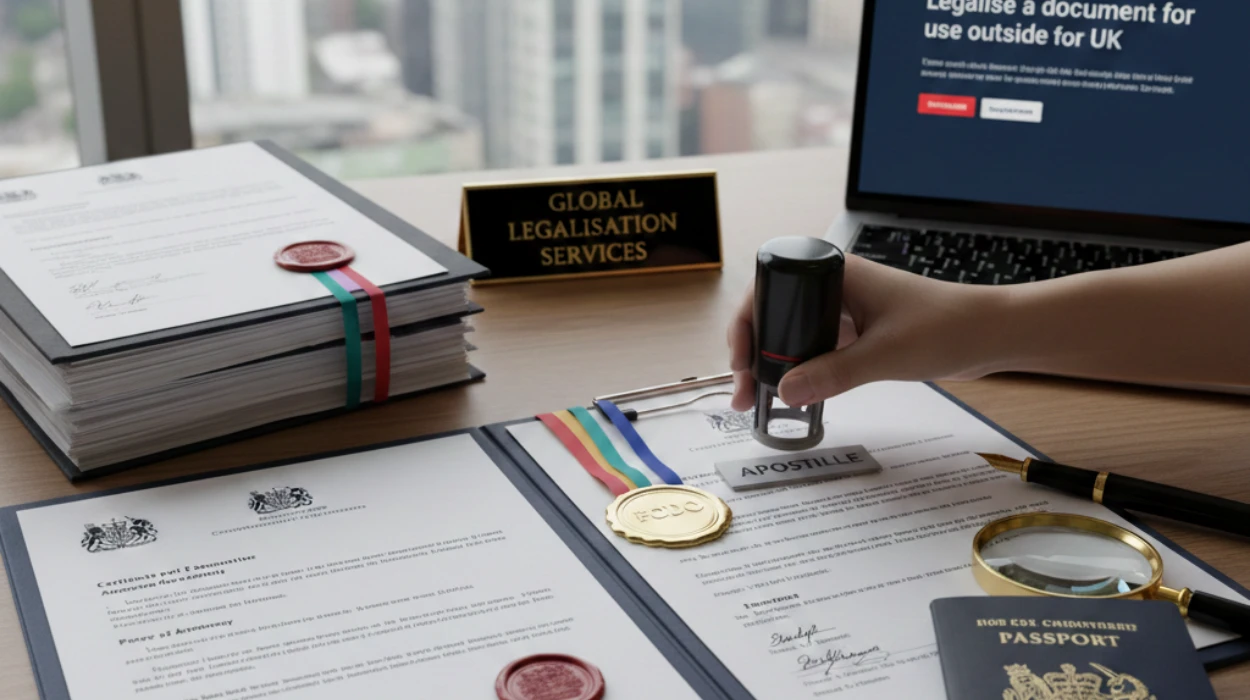
To legalise UK company documents for international use, you must verify them through an official process called apostille certification. This process ensures your business documents are legally recognised abroad by confirming their authenticity under the Hague Apostille Convention.
Legalising UK company documents is an essential step for businesses engaging in international trade, foreign partnerships, or overseas expansion. Whether you’re opening a branch, signing cross-border contracts, or establishing credibility with foreign authorities, correct document legalisation protects your company from compliance issues and delays. This guide from Form My Company explains everything UK business owners and directors need to know about how to obtain and use apostilled documents effectively.
Why Legalisation Matters for UK Company Documents
When a UK business expands internationally, it often needs to present documents like Certificates of Incorporation, Articles of Association, or directorship details to foreign jurisdictions. However, countries outside the UK require proof that these documents are genuine and issued by legitimate UK authorities.
Legalisation bridges that trust gap. By adding an apostille certificate, the UK government (via the Foreign, Commonwealth & Development Office, or FCDO) officially validates the signature or stamp on the document. This allows foreign institutions to accept it without further verification.
For example, suppose a UK limited company is opening a subsidiary in Spain. Spanish company registries typically request notarised and apostilled versions of legal documents to complete the registration process. Without this verification, the documents would not be recognised as valid.
Understanding Apostille Certification
An apostille is a specific type of legalisation issued under the Hague Convention of 1961, which simplifies the authentication of international documents among member countries. More than 120 countries, including major trading partners such as France, Germany, UAE, and the United States, accept apostilled documents as legally valid.
The apostille certificate is a physical attachment or printed stamp that confirms three key pieces of information:
- The authenticity of the signature or seal on the document.
- The authority of the person or institution who issued or signed it.
- The place of origin within the United Kingdom.
This standardised verification removes the need for multiple embassy or consulate stamps, saving time and administrative effort for UK businesses.
Which UK Company Documents Require Legalisation
The specific documents you need to legalise depend on the purpose and target country, but common examples include:
- Certificate of Incorporation
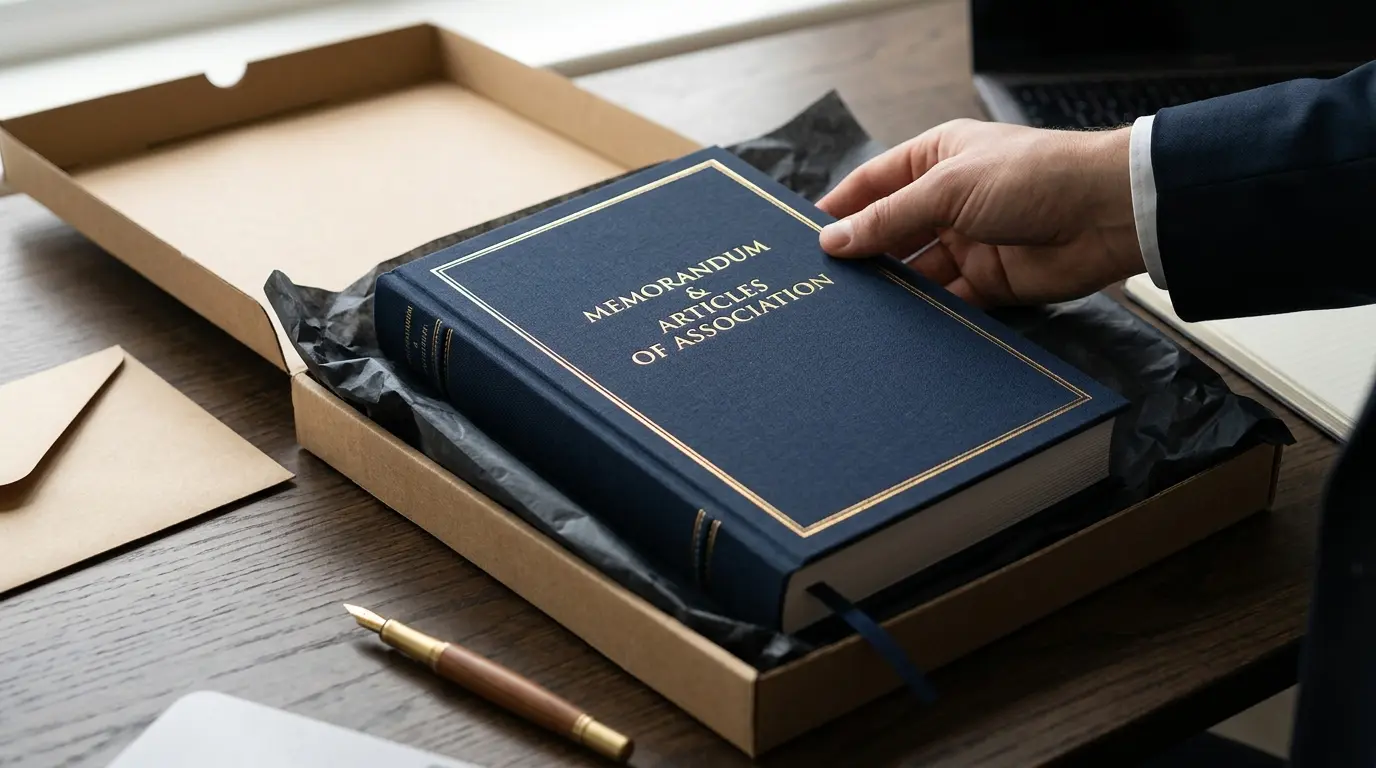
- Memorandum and Articles of Association
- Company resolutions and shareholder agreements
- Certificates of Good Standing
- Appointment of Director or Secretary forms
- Annual returns and audit statements
- Power of Attorney or board authorisations for overseas transactions
If the destination country is not a member of the Hague Apostille Convention, further legalisation may be required through that country’s embassy or consulate. This is sometimes called embassy attestation and follows after the apostille step.
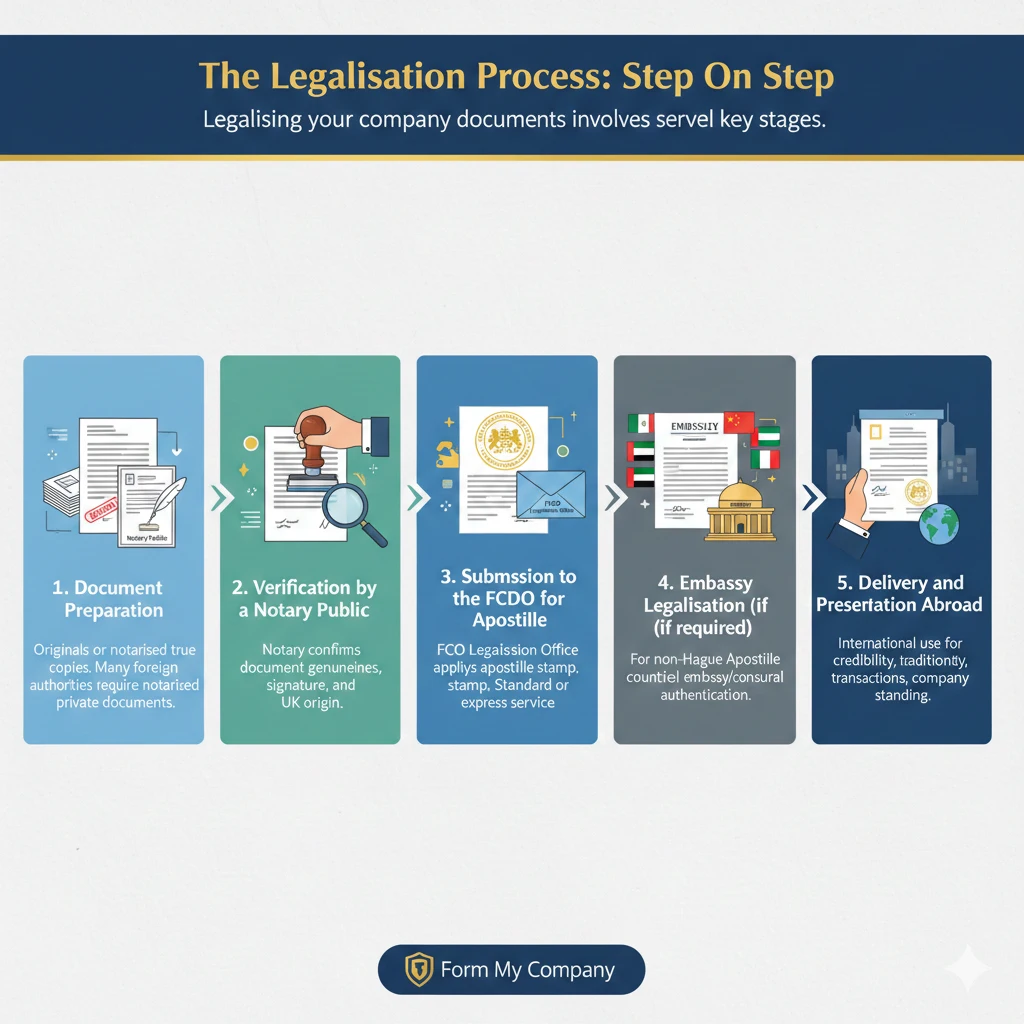
The Legalisation Process: Step by Step
Legalising your company documents involves several key stages. While individual cases may vary slightly, this sequence represents the standard path for most UK-based companies preparing documents for international use.
Document Preparation
Ensure your company documents are either original versions issued by Companies House or certified true copies notarised by a UK solicitor or notary public. Many foreign authorities only accept notarised versions of private company paperwork.
Verification by a Notary Public (if applicable)
A notary public confirms that the document is genuine, properly signed, and originates from an authorised UK source. This step is crucial if your document is not an official government record.
Submission to the FCDO for Apostille
Once verified, the document is sent to the FCDO’s Legalisation Office for apostille stamping. The typical turnaround time varies standard applications may take several business days, while express legalisation through professional services like Form My Company can expedite the process.
Embassy Legalisation (if required)
For countries outside the Hague Apostille Convention, additional embassy or consular authentication may be necessary. This often applies to nations in the Middle East, Asia, and parts of Africa.
Delivery and Presentation Abroad
After completion, the apostilled document can be used internationally to establish corporate credibility, authorise transactions, or verify company standing in cross-border dealings.
Apostille vs. Embassy Legalisation – What’s the Difference?
It’s common to confuse apostille and embassy legalisation, but they serve distinct purposes.
- Apostille: Streamlined process accepted by all Hague Convention countries, confirming authenticity within that network.
- Embassy Legalisation: A longer process involving the target country’s embassy for nations not part of the Hague Convention.
As a rule of thumb, if your destination country is a Hague Convention member (like Italy or Japan), you only need an apostille. If it’s not (like China or Qatar), you’ll need additional embassy verification after the apostille is issued.
Typical Timeframes and Costs
Timeframes depend on the number of documents and whether additional embassy steps are required.
- Standard FCDO service: 5–10 working days.
- Premium or courier-assisted service: 1–3 working days.
- Embassy legalisation: may add several days or weeks, depending on the embassy’s schedule.
Professional support can streamline this process. A verified provider such as Form My Company helps clients prepare, certify, and track each step to ensure compliance without delays.
When Legalisation Is Required in Business Scenarios
Companies may need apostilled documents for a variety of international transactions and requirements, including:
- Incorporating a subsidiary or branch abroad
- Opening foreign bank accounts
- Signing international shareholder agreements
- Licensing intellectual property outside the UK
- Participating in foreign procurement or trade tenders
- Engaging in mergers, acquisitions, or asset transfers involving overseas entities
Each of these situations requires that official documentation be verified to confirm the company’s legitimacy and authority to act internationally.
Benefits of Using a Professional Apostille Service
While business owners can apply directly to the FCDO, many choose to use a dedicated service to avoid administrative errors and save time. Professional assistance ensures:
- All documents meet FCDO submission standards
- Accurate notary certification for non-government paperwork
- Secure handling and tracked delivery
- Rapid processing using priority channels
- Complete compliance for both Hague and non-Hague countries
Using expert support like Form My Company’s apostilled document service means your paperwork is correctly formatted, legally verified, and accepted by international authorities the first time.
For full details of this service, you can read more on the apostilled documents service page.
Document Legalisation Within a Global Expansion Strategy
Legalising documents should be seen not just as an administrative step but as a core part of your company’s international expansion strategy. Whether you are expanding trading operations or forming partnerships abroad, compliance and credibility are fundamental to success.
Before pursuing cross-border business, ensure you have prepared your company for global readiness covering structure, taxation, banking, and official documentation. An excellent starting point is Form My Company’s guide on 10 essential steps for expanding your UK business overseas, which outlines a full framework for taking UK enterprises global.
Professional document legalisation integrates into this bigger picture ensuring your company can operate smoothly across jurisdictions without regulatory setbacks.
Choosing the Right Legalisation Partner
Selecting a reliable partner for apostille and legalisation services is about more than convenience it’s about accuracy and protection of sensitive corporate data. Partnering with a licensed and experienced UK company formation specialist ensures:
- Up-to-date compliance with FCDO and embassy standards
- Confidential handling of corporate documents
- Transparent pricing with clear timelines
- Guidance tailored to each destination country
Form My Company provides these assurances through a structured, secure legalisation process designed for efficiency and peace of mind for British businesses operating globally.
To compare turnaround times and professional support levels, you might also explore their fast apostille document services for UK companies, which detail expedited service options.

Bringing It All Together
Legalising UK company documents for international use involves careful preparation, official verification, and compliance with each country’s specific legalisation requirements. Apostille certification is the most common route for global recognition under the Hague Convention, while embassy legalisation supports those outside that framework.
By ensuring your corporate paperwork is correctly legalised, your business builds instant credibility with international partners, financial institutions, and government agencies.
Form My Company simplifies this process through its professional apostilled documents service, offering precise, compliant, and secure legalisation solutions for every type of UK business document.
What are apostilled documents used for in the UK?
Apostilled documents are used to verify the authenticity of UK-issued business or personal papers for official use abroad. The apostille, issued by the FCDO, certifies the document’s origin so it’s legally recognised in foreign countries that are part of the Hague Apostille Convention.
How long does it take to get apostilled documents through Form My Company?
Processing times for apostilled documents depend on the type and number of documents. With Form My Company, most applications are completed within a few working days using standard or express legalisation services.
Which UK company documents can be apostilled?
Common company documents that can be apostilled include Certificates of Incorporation, Articles of Association, Certificates of Good Standing, and Power of Attorney. Form My Company ensures these documents meet FCDO standards before legalisation.
Do apostilled documents expire or need renewal?
An apostille itself does not expire, but if the underlying document changes such as new director appointments or updated certificates a new apostille may be required. Businesses should regularly review their legalised documents for ongoing validity.
What is the difference between apostille and embassy legalisation?
An apostille is a single certificate used for countries in the Hague Apostille Convention, confirming document authenticity. Embassy legalisation, on the other hand, is required for non-Hague countries and involves additional confirmation from the destination country’s embassy.