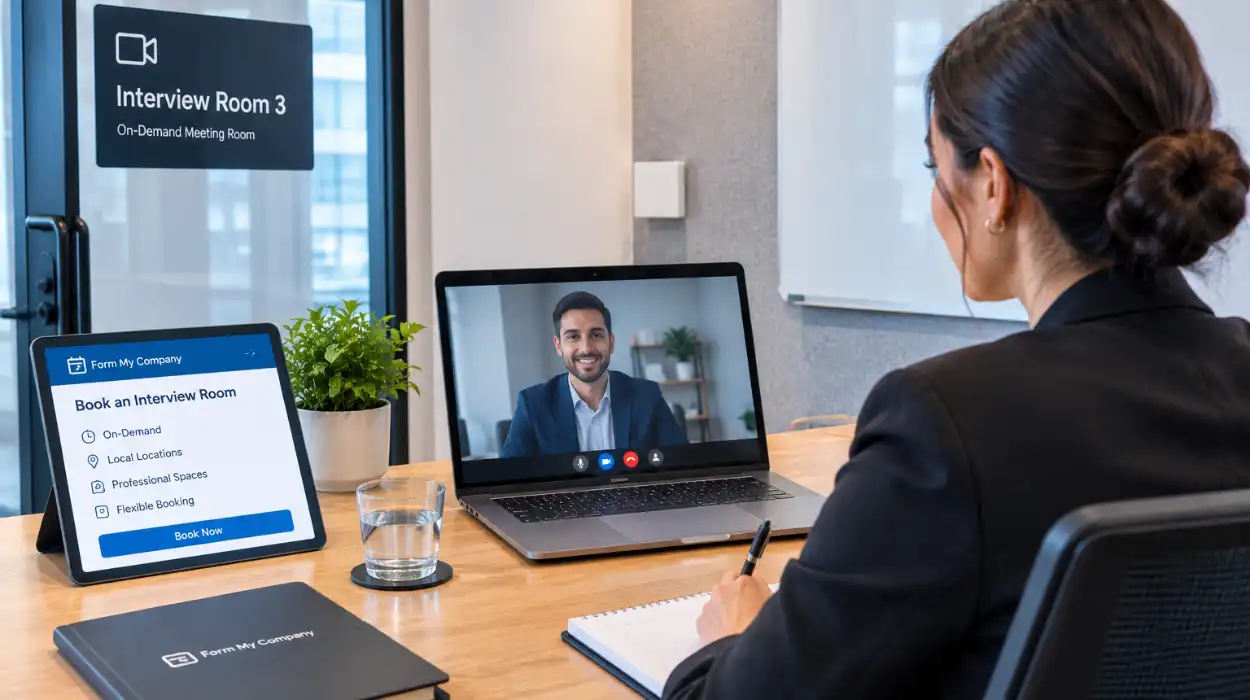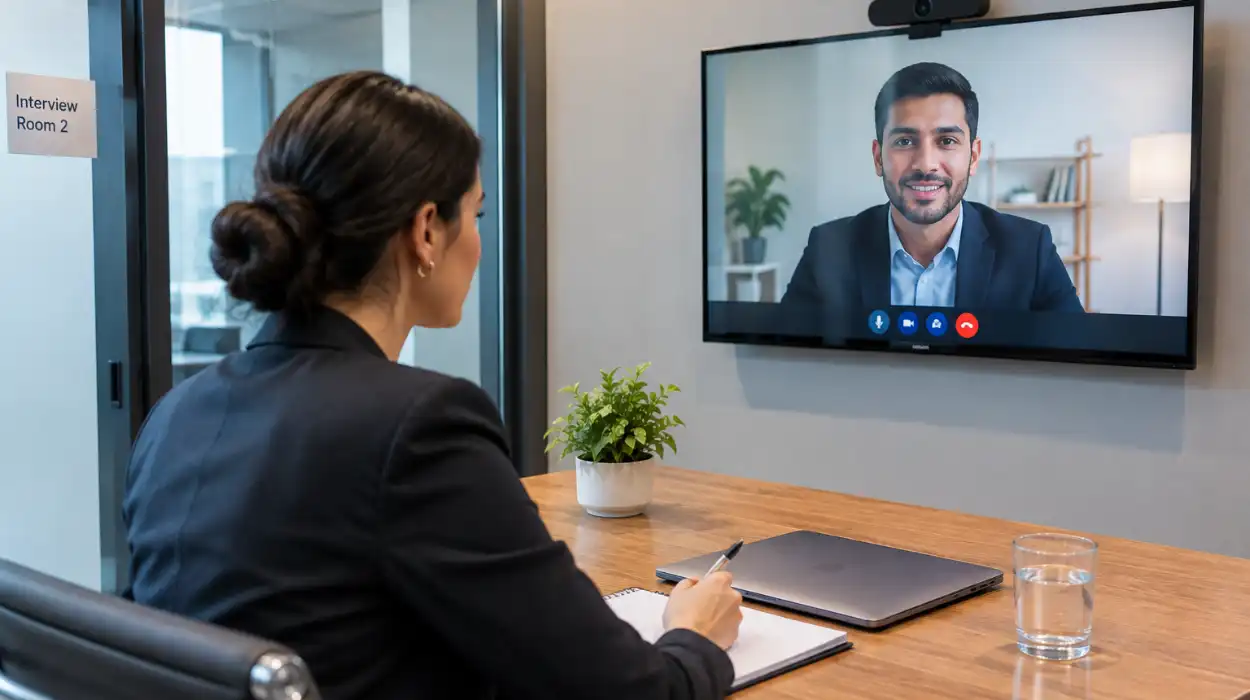
Comparing interview room packages for the best value requires evaluating hourly rates, included technical infrastructure, geographic accessibility, and hidden service charges. Businesses achieve maximum cost efficiency by matching workspace capacity and equipment inclusions directly with their specific candidate assessment requirements.
Recruitment teams must balance financial outlay against professional environment quality during hiring drives. Assessing room configurations alongside baseline pricing models prevents budget overruns during multi-day candidate evaluations.
Organisations evaluate space configurations based on candidate panel sizes and interview formats. Standard layouts accommodate one-on-one sessions, while larger suites support multi-assessor panels and group tasks. Matching space dimensions strictly to delegate counts prevents unnecessary expenditure on unused square metres.
Equipment inclusions vary significantly across commercial workspace providers. Packages offering integrated video conferencing, high-speed fibre internet, and digital whiteboards eliminate separate technology hire fees. Confirming hardware specifications before booking guarantees seamless technical performance during technical candidate assessments.
Booking flexibility determines overall package value for fluid hiring schedules. Providers offering tiered hourly rates, half-day allocations, and full-day discounts allow teams to scale space usage dynamically. Flexible cancellation policies protect recruitment budgets when candidate availability changes at short notice.
Location parameters impact candidate attendance rates and travel budgets directly. Workspaces situated near key transport hubs reduce travel friction for external applicants. Central locations improve company branding metrics while providing professional reception support for visiting candidates.
What Key Factors Define Value in Interview Room Packages?
Value in interview room packages depends on transparent pricing structures, robust technical infrastructure, and dedicated administrative support. Premium value delivers functional technology, professional candidate reception services, and flexible booking terms without unexpected end-of-month service surcharges.
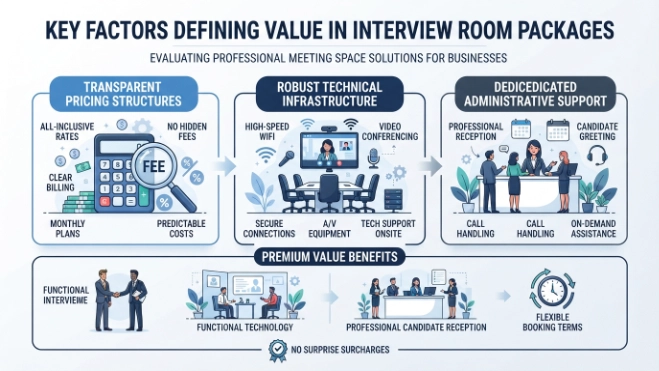
Base hire rates often mask additional operational costs if utilities and technology access carry separate fees. All-inclusive packages lock in expenditure by combining space, high-speed connectivity, and basic refreshments under a single price point. Comparing itemised proposals reveals hidden surcharges for printing, presentation displays, and after-hours access.
Audio-visual reliability directly affects interview execution and remote panel participation. Packages featuring native zoom or teams integration, dual display monitors, and noise-cancelling microphone arrays provide superior operational support. Inferior hardware causes delay, lowers candidate engagement, and projects an unprofessional corporate image.
Professional reception staff manage candidate arrival protocols and maintain interview schedules effectively. On-site teams greet applicants, process security sign-ins, and direct individuals to designated waiting lounges. Delegating administrative intake duties to venue staff allows internal recruiters to focus entirely on candidate evaluation tasks.
Catering and refreshment provisions vary from basic water service to full executive meal options. Packages including continuous tea, coffee, and filtered water keep assessors alert during long assessment blocks. Clarifying dietary options and per-head catering charges beforehand keeps hospitality expenses within established budget caps.
How Do Booking Structures Impact Overall Space Expenditure?
Booking structures dictate total space expenditure through hourly, half-day, and full-day rate tiers. Selecting the correct time block prevents paying for idle room hours or incurring expensive over-run penalties when candidate schedules extend beyond planned limits.
Half-day packages provide balanced pricing for medium-density assessment schedules involving three to five candidates. These four-hour blocks offer a discounted rate compared to single hourly charges while leaving room for minor schedule overruns. Hiring managers structure morning or afternoon tracks to maximize this mid-tier allocation.
Full-day rates deliver the lowest hourly cost for large-scale recruitment drives and multi-stage assessment centres. Securing a room for eight to ten hours ensures continuous access without inter-booking disruptions. To understand broader fiscal planning strategies, businesses analyze how do businesses budget for recruitment space costs? to establish accurate baseline figures across seasonal hiring cycles.
Cancellation policies and rescheduling terms protect capital when candidate availability shifts unexpectedly. Contracts with 24-hour flexibility allow teams to adjust assessment dates without forfeiting booking deposits. Rigid terms result in wasted budget allocations when candidates withdraw at late stages.
Which Technical Inclusions Are Essential for Recruitment Rooms?
Essential technical inclusions comprise high-speed symmetric internet, enterprise video conferencing hardware, interactive presentation displays, and soundproof acoustic walls. These technologies enable hybrid assessment models while maintaining strict data privacy and candidate confidentiality standards.
Connectivity infrastructure must support simultaneous HD video streams and document sharing without latency. Enterprise-grade fibre connections with minimum 100 Mbps upload and download speeds prevent audio drops during remote assessments. Redundant network connections safeguard critical final-round interviews against unexpected provider outages.
Modern recruitment processes rely on enterprise video conferencing systems to connect remote panel members. Integrated hardware setups featuring pan-tilt-zoom cameras and ceiling array microphones capture clear visual and audio detail. Standardizing technology across interview rooms ensures consistent assessment environments for every applicant.
Three core acoustic controls maintain candidate privacy:
Soundproof wall insulation rated above 45 dB
Acoustic ceiling tiles preventing sound bleed
Perimeter door seals blocking corridor noise
Interactive displays allow assessors to review digital portfolios, resume submissions, and technical task outputs collaboratively. High-resolution touchscreens enable direct markup of assessment rubrics during live candidate presentations. Having integrated displays eliminates the logistical hassle of bringing portable projection equipment.
How Does Room Layout Influence Candidate Assessment Quality?
Room layout influences candidate assessment quality by controlling spatial dynamics, eye contact angles, and stress levels. Purpose-built configurations create an objective environment where candidates perform optimally and assessors evaluate skills without physical distractions.
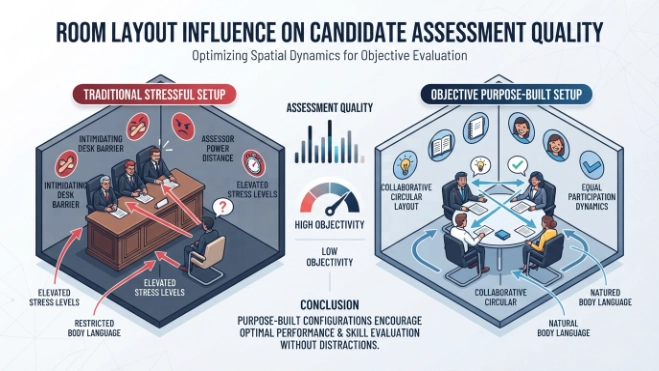
Traditional desk arrangements placing candidates directly across a broad boardroom table often induce unnecessary tension. Angle-seated configurations or round table setups foster open dialogue and reduce power imbalances. Arranging furniture intentionally allows panel members to observe non-verbal communication cues effectively.
Natural light integration and ergonomic seating sustain candidate and assessor focus throughout extended evaluation days. Poorly ventilated, windowless spaces increase fatigue and diminish cognitive performance during intensive interview schedules. Ergonomic chairs support proper posture during multi-hour assessment sessions.
Panel size determines required physical footprint and chair spacing metrics within the venue. Three assessment panel members require at least 15 square metres of room floor space to operate comfortably. Overcrowding small spaces raises ambient temperature and creates uncomfortable proximity during evaluations.
Separate waiting areas prevent candidate crossover and maintain strict assessment confidentiality. Providing a distinct reception space ensures arriving candidates do not see departing applicants or overhear panel discussions. Controlled spatial transitions project organizational professionalism and uphold fair candidate testing standards.
How Do You Select the Right Interview Space Provider?
Selecting the right interview space provider involves comparing venue locations, verifying equipment specifications, evaluating administrative support, and auditing contract flexibility. Teams select providers that demonstrate clear pricing models alongside professional corporate facility management.
Location convenience directly affects candidate attendance rates and scheduling reliability. Properties situated within a five-minute walk of major rail stations minimize transit delays for traveling applicants. Central commercial districts offer surrounding amenities like coffee shops and hotels for out-of-town assessors.
Facilities management standards dictate daily operational reliability within corporate workspace environments. Selecting venues with dedicated technical support staff resolves hardware issues immediately without delaying interview schedules. Reviewing venue maintenance protocols ensures clean, well-presented environments for every assessment cycle.
Comparing contractual commitments across multiple vendors prevents long-term financial liabilities. Flexible service agreements allow businesses to scale room usage up or down depending on active recruitment drives. When evaluating options, companies review a commercial guide to selecting flexible assessment spaces to identify vendor terms that match variable hiring forecasts.
To secure optimal value during recruitment expansion phases, organisations select tailored Interview Rooms to access professional infrastructure without committing to long-term commercial lease obligations.
Explore our Interview Rooms guide,
How to Keep Your Dormant Status Secure with Professional Annual Compliance Monitoring
How to Seamlessly Transition to Hybrid Training Using Modern Video Conferencing Rooms
Frequently Asked Questions
What amenities are typically included in professional interview room hire?
Standard interview room packages include high-speed internet, audio-visual display screens, whiteboard facilities, and basic beverage services. Premium options from providers like Form My Company also feature on-site reception support, soundproof acoustics, and integrated video conferencing equipment for remote panel members.
How much does it cost to book interview rooms in central business locations?
Interview room hire costs generally range from £25 to £85 per hour, depending on room size, geographic location, and included technical equipment. Booking full-day or half-day Interview Rooms through Form My Company typically offers lower hourly rates compared to short ad-hoc bookings.
Can interview rooms support hybrid and remote hiring assessments?
Yes, modern assessment spaces are equipped with enterprise-grade video conferencing technology, high-speed fibre connectivity, and noise-cancelling microphones. These hardware setups allow Form My Company facilities to seamlessly connect on-site candidates with remote panel assessors during hybrid recruitment sessions.
What is the difference between a meeting room and a dedicated interview room?
Dedicated interview rooms are specifically configured for candidate evaluation, offering soundproof walls, controlled seating layouts, and private candidate waiting areas to preserve confidentiality. While general meeting rooms suit collaborative team discussions, Form My Company Interview Rooms prioritize privacy, professional candidate greeting protocols, and structured panel setups.
How far in advance should businesses book interview rooms for recruitment drives?
Businesses should ideally reserve assessment space 1 to 2 weeks in advance to secure preferred times, sizes, and technical configurations. Flexible booking platforms like Form My Company also accommodate short-notice requests and multi-day recruitment drives depending on venue availability.