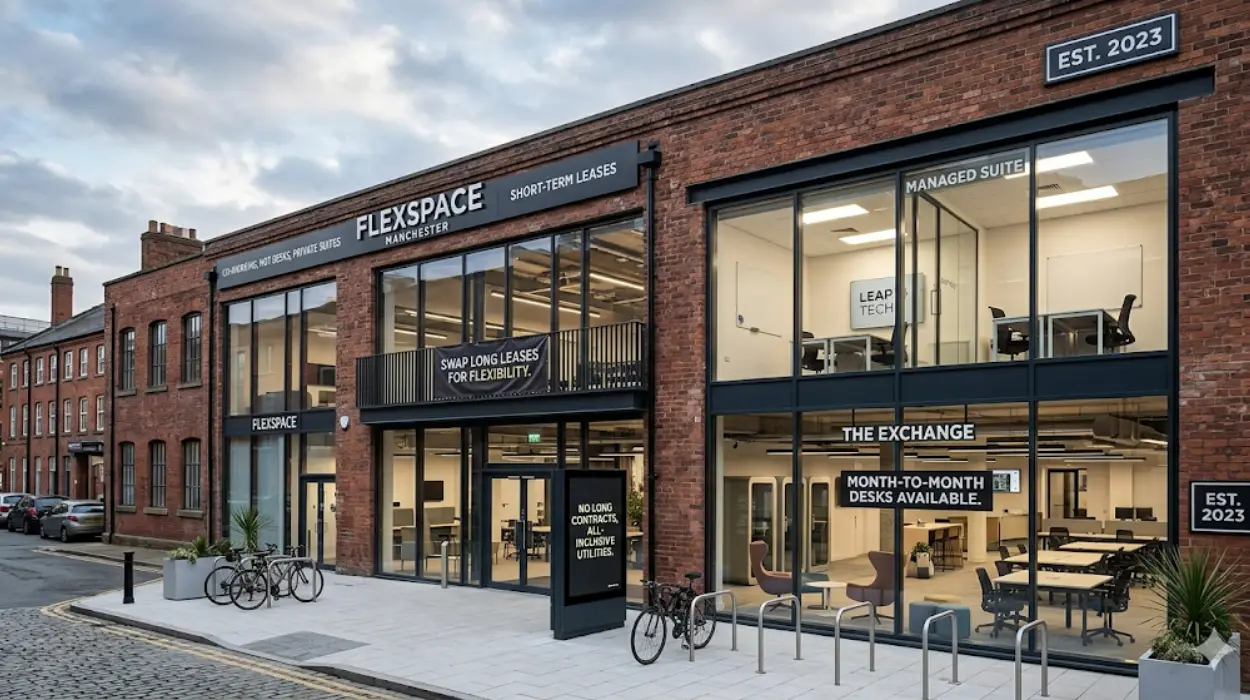
Modern UK startups are choosing short‑term, flexible workspaces because they lower risk and enable rapid scaling. Traditional long leases no longer match the pace of innovation and the uncertain nature of growing early‑stage businesses.
In today’s post‑pandemic economy, the startup scene across the United Kingdom has evolved dramatically. Founders are rethinking how and where they work, looking for cost‑efficient business space that reflects changing needs. Long commercial leases once a sign of stability now appear restrictive in a climate where agility is an advantage. Serviced offices, coworking hubs, and hybrid workspace models are becoming the smart choice for businesses that want to focus on growth, not overheads.
The Shift Away from Traditional Leasing
The conventional model of office acquisition signing a 5‑ to 10‑year commercial lease used to make sense when business growth followed stable patterns. But the modern business landscape moves far quicker than it did even a decade ago. Startups dealing with evolving markets, fluctuating funding, and hybrid working models simply can’t predict their spatial requirements five years ahead.
In the UK, flexible leasing models now dominate startup hubs from Manchester to Cambridge. The serviced office market has surged in popularity, providing ready‑to‑use workspaces that can expand or contract as needed. This trend also reflects a broader cultural shift: companies value time, mobility, and scalability over rigid property commitments.
What Flexibility Really Means
Flexibility is more than the ability to leave a lease early. It’s the power to configure a workspace around the business rather than shaping the business around the space.
- Scalability: Teams can grow from 3 to 30 employees without relocating.
- Financial Control: Serviced offices often operate on monthly or quarterly contracts, protecting cash flow.
- Operational Ease: Facilities management, utilities, and internet are bundled, freeing founders from logistical headaches.
For instance, a tech startup testing product‑market fit may need only a small private office to begin with then additional desks and meeting spaces as their client base expands. With Form My Company’s Serviced Offices, such scaling is immediate and frictionless.
Economic Pressures Reshaping Workspace Decisions
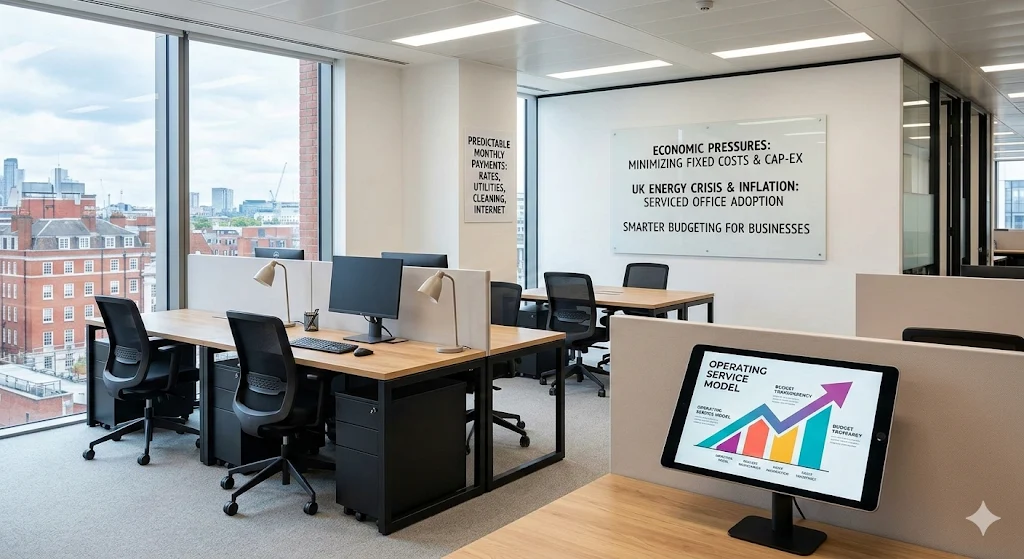
The UK’s commercial property market has undergone a recalibration since 2020. Inflation, rising energy costs, and changing work patterns have made long leases less appealing. At the same time, venture capital inflows fluctuate, pushing founders to remain capital‑light and efficient.
Serviced offices absorb many fixed costs that would otherwise burden startups. They cover essentials business rates, cleaning, maintenance, and high‑speed internet in one predictable monthly payment. This transparency makes financial forecasting easier and supports smarter budgeting. Many founders now treat office space as an operating service rather than a capital liability.
The Role of the Hybrid Workforce
Another driving factor behind flexible workspaces is the new structure of work itself. Hybrid and remote models are now standard for UK startups, especially in technology, consultancy, and creative sectors. Few teams require permanent desks for every employee.
Serviced office providers have adapted accordingly, offering hot‑desking, collaborative lounges, and bookable conference rooms. Employees can work remotely most days yet still access fully equipped professional environments for client meetings or team sprints.
This hybrid approach saves costs while maintaining professionalism something not always possible with home offices. It also boosts internal culture by allowing teams to gather when needed, strengthening collaboration without the cost of a conventional full‑time lease.
The Scalability Advantage: From Seed to Series A
A major advantage of serviced offices is their modular expansion potential. Startups often move through growth spurts from pre‑seed to Series A within months. Space needs change just as quickly.
With traditional leases, expansion might mean renegotiating rent, waiting for fit‑outs, or signing an entirely new contract. Flexible workspaces remove this friction. Teams can add private suites or use shared collaboration areas as workloads increase. This agility keeps operations consistent and avoids the disruption of physical relocation, a common productivity killer during growth phases.
Serviced Offices as Professional Infrastructure
Modern serviced offices are not just about flexibility; they also communicate professionalism. Many UK investors and clients expect startups to host meetings in credible, secure environments. Providers like Form My Company curate serviced spaces that include executive meeting rooms, reception services, and business‑grade amenities.
For instance, Conference Rooms Services within these spaces offer discreet, secure environments that impress clients and investors alike without forcing startups to own or maintain such infrastructure themselves. This capability bridges the gap between a home‑grown operation and a fully established enterprise image.
Comparing Cost and Value
While lease‑based offices might seem cheaper on paper, the hidden costs tell another story. Beyond rent, traditional spaces require upfront deposits, maintenance contracts, utilities, and insurance. For startups, these can quickly absorb essential growth capital.
Serviced offices, by contrast, operate as an all‑inclusive solution. The predictability of cost structure provides stability in financial planning, especially during early‑stage development. A useful reference point for this discussion can be found in the MOFU stage article, Serviced Offices vs. Traditional Commercial Rent: A Comparison, which breaks down long‑term versus short‑term benefits in more detail.
Many founders realize that value lies not only in cost but in opportunity the opportunity to focus on innovation rather than property management. Every hour saved on logistics translates directly into time spent growing the business.
Sustainability and Modern Workspace Design
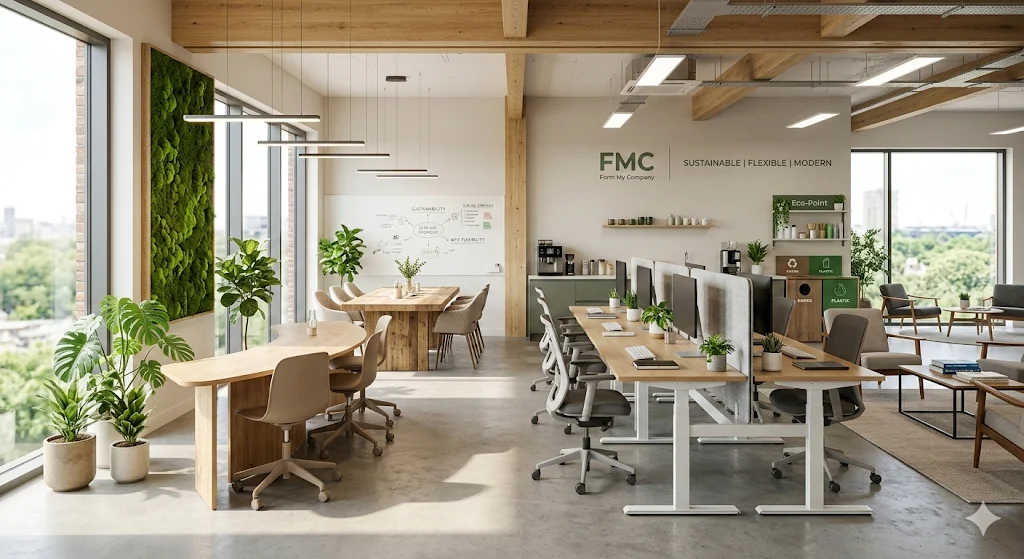
Startups are increasingly conscious of their environmental and social impact. Serviced office providers are responding with sustainable building practices, energy‑efficient systems, and shared infrastructures that minimize waste.
Flexible office models naturally support sustainability: by sharing utilities and optimizing occupancy, they reduce energy consumption per capita. For young companies building their brand around ethical values, this alignment strengthens credibility with eco‑minded stakeholders and investors.
Additionally, modern serviced offices promote employee well‑being. Natural lighting, ergonomic design, and communal spaces are no longer optional extras they’re embedded into workspace design. These features help attract and retain top talent, particularly younger professionals who prioritize workplace experience over job title alone.
Flexibility as a Strategic Tool
From a strategic standpoint, flexibility in business operations extends beyond workspace configuration. It’s an operating philosophy. Founders who embrace it tend to react faster to market opportunities and economic shifts.
Serviced offices provide the physical counterpart to this strategy a space that flexes as fluidly as the business plan. Whether scaling into new markets, downsizing temporarily, or relocating across the UK, flexible workspace contracts enable action without delay.
Form My Company integrates this philosophy into its service design, providing professional, move‑in‑ready environments that empower startups to act decisively without administrative distractions.
Looking Ahead: The Future of Startup Workspaces
Over the next five years, UK commercial property experts anticipate continued growth in flexible workspace supply across major hubs like London, Manchester, and Birmingham. Increased demand from startups, consultants, and even mid‑sized enterprises is pushing providers to diversify their offerings.
Artificial intelligence, remote collaboration tools, and project‑based employment trends will further blur the boundaries between “office” and “network.” The most successful startups will be those able to pivot seamlessly a process amplified by flexible, serviced environments that adapt in real time.
Ultimately, the decision to leave long leases behind is about control over cost, scale, and direction. Flexibility gives UK startups the freedom to experiment, hire, and evolve without burdensome property commitments. In doing so, they stay resilient in a fast‑changing market.
Form My Company supports this shift by offering practical and professional Serviced Offices that remove uncertainty from the workplace equation. From concierge reception to on‑site conference facilities, the brand delivers the infrastructure that growing startups need without locking them into rigid contracts.
For founders ready to take the next step toward stability and scalability, explore the decision-focused article Rent Fully Furnished Serviced Offices in Bolton with No Fees for a closer look at available locations and terms.
What are serviced offices and how do they work?
Serviced offices are fully furnished, ready-to-use workspaces managed by a provider like From My Company. Businesses rent offices on flexible terms, with utilities, maintenance, and amenities such as internet and reception services included in one monthly fee.
Why are serviced offices better for startups?
Serviced offices give startups flexibility without long-term leases or setup costs. Providers like From My Company offer scalable office solutions that allow teams to expand or contract easily while maintaining professional facilities and predictable expenses.
What is included in a serviced office package?
A typical serviced office package includes furniture, high-speed internet, meeting rooms, cleaning, and administrative support. From My Company also manages maintenance and utilities, so businesses can focus on operations instead of logistical overhead.
How do serviced offices differ from traditional office rentals?
Traditional rentals require long leases, fit-out costs, and separate utility contracts, while serviced offices bundle these into one flexible agreement. From My Company provides shorter-term, all-inclusive solutions that eliminate upfront setup costs and ongoing maintenance responsibilities.
Are serviced offices suitable for hybrid or remote teams?
Yes, serviced offices are ideal for hybrid teams needing shared, professional workspaces for meetings or collaboration days. From My Company designs flexible office solutions that complement remote work models while maintaining a strong business presence.