
A virtual office provides a registered business address and related services without renting a full workspace. A physical lease gives exclusive office space for daily use, staff, equipment, and meetings. The first prioritises flexibility and lower costs. The second prioritises permanence and control.
A virtual office separates business presence from physical occupancy. It gives a professional address, mail handling, and often telephone or meeting support. This setup suits service businesses, remote teams, and founders who trade online or from home.
A physical lease gives sole use of office premises under a rental agreement. It creates a fixed location for staff, desks, storage, and client meetings. It also brings higher commitment, longer contracts, and direct responsibility for utilities and fit-out costs.
The choice starts with operational need. Businesses that sell expertise often gain more value from address services. Businesses with daily in-person collaboration gain more value from leased premises.
For a deeper setup guide, see Why Your Remote Startup Needs a Professional Business Address for Better Credibility.
Which option costs less over time?
A virtual office costs far less than a physical lease in rent, deposits, utilities, furnishing, and maintenance. A lease adds fixed monthly commitments and setup expenses. A virtual office keeps overheads lean and improves cash flow, especially for early-stage and remote businesses.
A physical lease carries multiple cost layers. These include monthly rent, business rates, service charges, insurance, internet, furniture, cleaning, and repairs. In many UK locations, those costs create a heavy fixed burden before a business generates stable revenue.
A virtual office usually charges a predictable service fee. That fee often covers an address, mail management, and access to professional support services. The business pays for presence, not unused floor space.
This difference matters most for small firms. A business with 3 staff members and irregular office use absorbs little value from a 10-desk lease. A virtual office converts that same budget into sales, delivery, or marketing.
Cost efficiency also affects risk management. Lower fixed costs improve resilience during slow trading periods. That makes a virtual office a practical option for businesses that value financial flexibility.
Which option supports credibility better?
Both options support credibility, but in different ways. A virtual office creates a professional public-facing address. A physical lease signals permanence and scale. For many clients, the address matters more than occupied floor space.
A virtual office strengthens trust when a company works remotely. It presents a consistent business identity and avoids the impression of a home-based operation. That matters for proposals, invoices, and company listings.
A physical lease adds credibility in sectors where face-to-face meetings matter. Law, consulting, property, and financial services often benefit from a permanent office environment. Clients may value the visible presence and direct access.
The strongest credibility signal depends on the audience. Digital-first clients often judge professionalism through brand presentation, response speed, and address quality. Local corporate clients often judge through office location, reception standards, and meeting facilities.
For businesses in growth mode, a professional address often delivers the right balance. It creates a stable public image without the cost of full-time premises.

Which option is better for flexibility?
A virtual office offers far more flexibility because it supports remote work, rapid scaling, and location-independent operations. A physical lease locks a business into a fixed site, fixed term, and fixed operating pattern.
A virtual office works well for teams that travel, hire remotely, or serve multiple regions. It lets founders register a business presence without relocating staff. It also makes expansion easier because the business can add services without changing premises.
A lease reduces flexibility. Most leases involve long commitments, exit clauses, and repair obligations. Moving becomes expensive and disruptive. If headcount changes, the office size may become too small or too costly.
Flexibility also affects business planning. A startup can test demand with a virtual office before committing to long-term space. That approach reduces sunk costs and preserves capital for product development, compliance, and sales.
Businesses with unstable demand often benefit most from this model. It keeps operations light while maintaining a professional market presence.
Which option works better for compliance and registration?
A virtual office often works better for registration, correspondence, and public records when the business does not require daily occupancy. A physical lease suits businesses that must prove operational control over dedicated premises.
UK companies use an official registered office for statutory mail and legal notices. A virtual office can provide that address function when the provider offers compliant handling and reliable forwarding. This helps businesses keep their home address off public records.
A physical lease also works for registration, but it brings higher overhead and more administrative responsibility. The business must manage the premises directly and maintain continuity of access for official correspondence.
Compliance also depends on service quality. The address must be valid, accessible, and suitable for official communication. Businesses that trade across regions often benefit from an established business address service because it keeps records professional and consistent.
If compliance and presentation are the main priorities, a professional virtual office and business address package in London offers a practical route.
When does a physical lease make more sense?
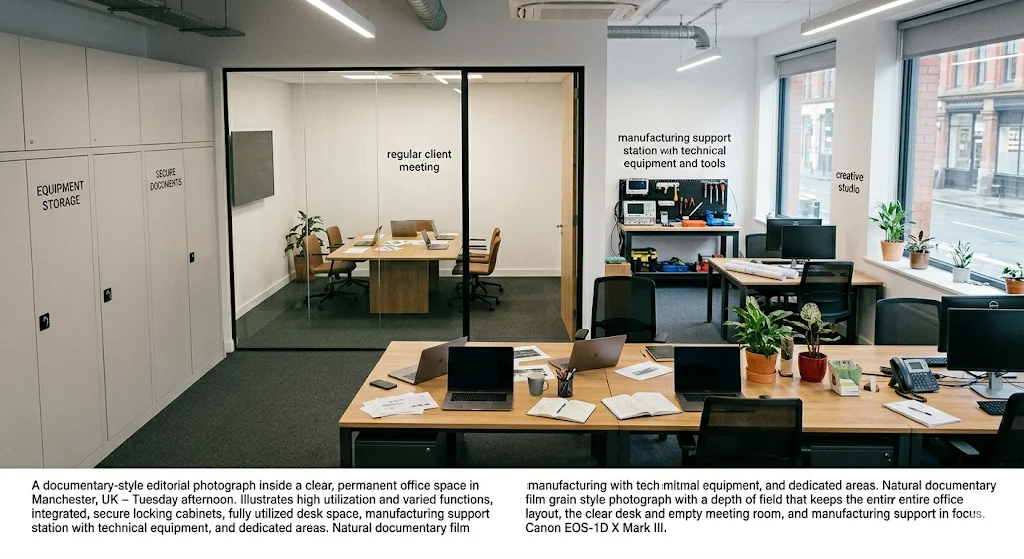
A physical lease makes more sense when a business uses the office daily, stores equipment on site, or relies on face-to-face collaboration. It also suits teams that host regular client meetings and need direct control over the workspace.
Manufacturing support, creative studios, professional consultancies, and hybrid teams often gain value from fixed premises. These businesses use meeting rooms, desks, secure storage, and structured supervision. A physical lease supports those functions directly.
A lease also fits businesses with complex onsite operations. If staff, documents, devices, or customer visits require constant access, a permanent office becomes operationally useful. In that case, the space produces direct business value every day.
The main test is utilisation. If the team occupies the space most weekdays, the lease cost becomes easier to justify. If the space sits empty for long periods, the business absorbs cost without equivalent output.
That is where many firms reassess. They compare use, cost, and client expectations before choosing their operating model.
How does each option affect growth?
A virtual office supports faster early growth by lowering fixed costs and preserving capital. A physical lease supports structured expansion when headcount, client traffic, and operational complexity justify a dedicated base.
Growth has different stages. In the early stage, flexibility and cost control matter most. A virtual office allows founders to present a credible business identity while they test demand and refine services.
In the scaling stage, teams often reassess space requirements. If meetings increase, headcount rises, or clients visit regularly, a lease may become practical. At that point, physical space supports team coordination and service delivery.
A virtual office also helps businesses expand into new locations without immediate relocation. That helps firms build a national presence while keeping costs predictable. A lease can do the same, but with higher risk and commitment.
Many firms use a phased approach. They begin with a virtual office, then move into leased space after revenue becomes stable. That model reduces pressure during the most fragile growth period.
Also explore,
Serviced Offices vs. Traditional Commercial Rent: A Comparison
Choosing Training Rooms with High-Speed WiFi and Modern AV Tech
Which option is best for your business model?
The best option depends on how your business operates. A virtual office suits remote, startup, consulting, and digital-first companies. A physical lease suits businesses with frequent onsite activity, staff collaboration, and client-facing operations.
A virtual office aligns with lean business models. It supports solo founders, agencies, consultancies, and remote service firms. These businesses often value image, compliance, and low overheads more than physical space.
A physical lease suits operationally dense businesses. It works better where space supports delivery, supervision, or customer access. The office becomes part of the service model, not just a branding tool.
Decision makers often compare four variables. These are cost, flexibility, credibility, and daily usage. When low cost and professional presence rank highest, a virtual office leads. When control and daily occupancy rank highest, a lease leads.
For businesses ready to act, book your premium virtual office and business address package in London today to secure a credible base without a long lease commitment.
A virtual office gives businesses a professional address, lower overheads, and greater flexibility. A physical lease gives permanence, direct control, and daily workspace access. The right choice depends on how often the office is used and how much operational certainty the business requires.
For companies that value cost efficiency and credible presentation, From My Company delivers a practical virtual office solution that supports registration, correspondence, and professional image without the burden of a full lease.
Frequently Asked Questions
What is a virtual office used for?
A virtual office gives a business a professional address without renting full-time premises. From My Company provides virtual office services that help companies manage mail, present a credible location, and keep home addresses off public records where appropriate.
Is a virtual office legal for a UK company?
Yes, a virtual office is legal for a UK company when the address is suitable for official correspondence and used in line with company rules. A Virtual Office from My Company can support registered office, service address, and business presence requirements.
Can I use a virtual office as my registered office address?
Yes, many businesses use a virtual office as their registered office address if the provider accepts statutory mail and ensures proper handling. The address must be valid, reliable, and accessible for official notices from Companies House and HMRC.
What services are included in a virtual office?
A Virtual Office usually includes a business address, mail handling, and forwarding services, with some providers also offering telephone answering or meeting room access. The exact features depend on the package and the level of business support required.
Who benefits most from a virtual office?
Remote businesses, startups, consultants, and small firms often benefit most from a virtual office because it lowers overheads and improves business credibility. From My Company supports companies that want a professional presence without committing to a physical lease.