
A sustainable meeting reduces your carbon footprint by cutting direct energy consumption, eliminating single-use materials, and minimizing attendee travel emissions through green venues, digital workflows, and localized sourcing strategies that conserve natural resources.
Modern corporate gatherings generate significant environmental degradation. Traditional conferences consume vast amounts of electricity. Standard business events rely heavily on single-use plastics. Attendees produce thousands of kilograms of carbon dioxide through long-distance travel. Sustainable meeting practices interrupt this resource-intensive cycle. Organizers replace physical waste streams with circular economy models. Facilities adopt renewable energy tariffs to lower baseline emissions.
Corporate sustainability targets require measurable reductions in greenhouse gas gases. Businesses measure scope three emissions carefully. Sustainable meeting frameworks target specific impact categories. Organizations track carbon outputs across venue operations. Companies lower overall corporate environmental impact through systematic event planning.
Why Do Traditional Corporate Events Consume Excessive Energy?
Traditional corporate events consume excessive energy because large venues operate HVAC systems continuously, stage lighting systems draw heavy electrical loads, and audiovisual equipment runs constantly throughout multi-day conferences.
Event facilities often lack modern energy efficiency upgrades. Building management systems fail to regulate temperatures efficiently. Large exhibition halls illuminate empty spaces for hours. HVAC units run at maximum capacity regardless of actual occupant numbers. Digital displays and projection equipment demand high electrical outputs.
Facility managers can optimize power consumption. Operators install smart thermostats to regulate climate control. Technicians deploy LED lighting grids to reduce wattage. Event planners schedule equipment shutdowns during overnight hours. Venues utilize programmable timers to eliminate idle power draws.
How Do Travel Emissions Dominate Event Carbon Footprints?
Travel emissions dominate event carbon footprints because attendee flights and vehicular transport account for up to 80% of total greenhouse gas emissions generated during a standard corporate conference.
Global business travel releases massive quantities of carbon dioxide into the upper atmosphere. Attendees board commercial airplanes for short-haul flights. Delegates drive private automobiles to convention centers. Public transit utilization remains low among corporate travelers. Distance multiplies the carbon cost of every single attendee.
Organizations mitigate travel impacts through strategic venue selection. Planners host gatherings in central transport hubs. Companies prioritize locations accessible via high-speed rail networks. Event coordinators implement hybrid attendance models. Remote participation eliminates physical transit requirements for international delegates.
How Can Digital Workflows Eliminate Paper Waste?
Digital workflows eliminate paper waste by replacing physical brochures, printed schedules, and registration binders with cloud-based applications and electronic document sharing platforms.
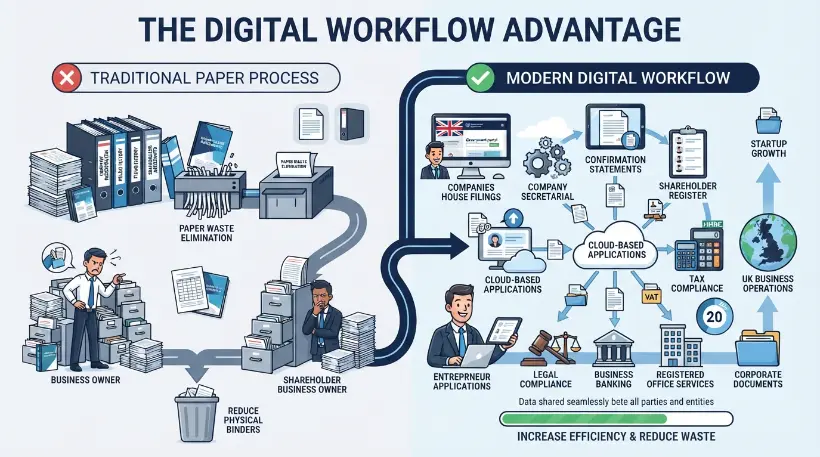
Standard conferences distribute thousands of promotional flyers. Attendees discard printed schedules immediately after sessions conclude. Paper production destroys native forests. Manufacturing processes consume millions of gallons of water. Chemical bleaching releases toxic effluents into natural waterways.
Organizers adopt mobile event applications. Planners upload presentation decks to secure cloud servers. Delegates access schedules via smartphones and tablets. Digital ticketing systems validate registrations instantly. QR codes replace physical business cards during networking sessions.
What Role Do Eco-Friendly Venues Play in Carbon Reduction?
Eco-friendly venues play a crucial role in carbon reduction by utilizing solar power generation, implementing strict recycling protocols, and maintaining recognized environmental building certifications.
Sustainable event spaces operate on 100% renewable energy grids. Facilities capture rainwater for non-potable sanitation systems. Management teams enforce zero-waste landfill policies. Kitchens compost 100% of organic food scraps. Architecture incorporates natural daylighting to reduce electric lighting demands.
Businesses booking professional spaces prioritize certified sustainable locations. Companies secure dedicated book a professional conference room equipped with smart climate controls and energy-efficient infrastructure. Modern facilities publish transparent environmental impact reports. Event planners audit venue sustainability credentials prior to contract signing.
How Does Localized Sourcing Lower Supply Chain Emissions?
Localized sourcing lowers supply chain emissions by procuring catering ingredients, event merchandise, and AV equipment from regional vendors within a 50-mile radius.
Global supply chains burn fossil fuels across extended transit routes. International food transport generates high refrigeration emissions. Long-distance freight delivery increases urban air pollution. Localized procurement shrinks logistical supply chains significantly. Regional economies benefit from direct corporate spending.
Catering teams source seasonal produce from regional farms. Event merchandise utilizes locally manufactured organic cotton. AV suppliers operate warehouses within the host city. Planners eliminate long-haul freight shipping entirely. Vendors reduce packaging materials for regional deliveries.
| Sourcing Category | Traditional Approach | Sustainable Approach | Carbon Reduction Impact |
| Catering | Imported global ingredients | Regional farms within 50 miles | Lowers refrigeration and transit emissions by 45% |
| Merchandise | Overseas mass-produced plastic items | Locally made organic cotton goods | Eliminates international freight shipping |
| AV Equipment | Shipped from distant national warehouses | Local city-based provider inventories | Cuts urban transport fuel consumption |
| Signage | Single-use foam board displays | Digital screens and recyclable cardboard | Removes annual landfill waste accumulation |
How to Cut Waste and Emissions at Your Next Corporate Event?
You can cut waste and emissions at your next corporate event by implementing waste diversion policies, selecting energy-efficient venues, and utilizing digital documentation systems.
Event organizers establish baseline emissions measurements before planning commences. Planners set strict diversion targets for convention waste streams. Teams eliminate single-use plastics from catering operations. Staff members monitor energy consumption in real time.
Successful execution requires structured operational phases. Planners execute waste reduction protocols using specific methodologies.
Audit previous event energy consumption and waste outputs
Select venues with verified green building certifications
Partner with regional caterers for sustainable food sourcing
Implement digital registration and paperless ticketing systems
Provide public transit vouchers for all registered attendees
Businesses seeking structured sustainable frameworks benefit from expert advisory services. Organizations exploring comprehensive green integration review strategies outlined in How to Cut Waste and Emissions at Your Next Corporate Event?. Forward-thinking enterprises prioritize measurable environmental performance across every operational department.
How Does Carbon Offsetting Finalize Meeting Neutrality?
Carbon offsetting finalizes meeting neutrality by funding certified environmental projects that sequester an equivalent amount of greenhouse gases emitted by the event.
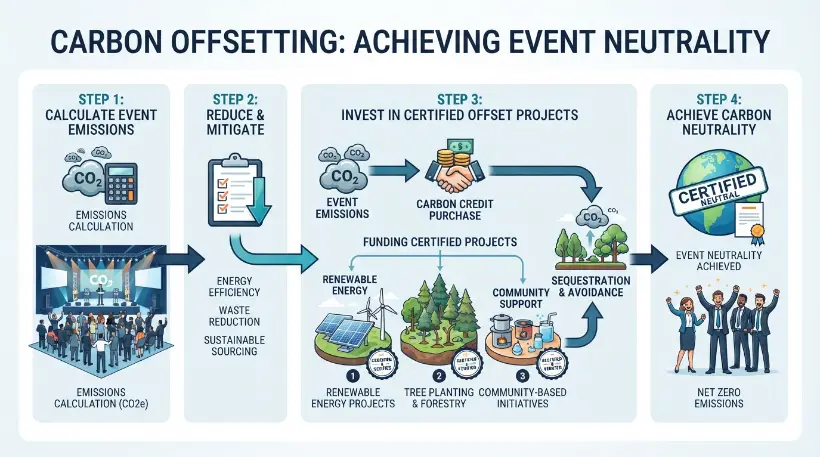
Direct emission reductions cannot reach absolute zero. Unavoidable travel and energy use generate residual footprints. Carbon offset programs neutralize remaining greenhouse gases. Projects invest in global reforestation initiatives. Verified credits support renewable energy infrastructure development.
Organizations calculate total event footprints following conference completion. Planners purchase accredited carbon credits through verified registries. Projects restore degraded peatlands in the UK. Wind farm developments receive financial support from offset purchases. Auditors verify offset authenticity annually.
When businesses integrate sustainable meeting practices, environmental degradation drops significantly. Form My Company assists organizations in achieving corporate sustainability goals. Enterprises looking to secure sustainable venues explore options detailed in Want to Reserve Green Event Spaces via Form My Company?. Sustainable event management protects natural resources while maintaining high professional standards. Form My Company delivers reliable administrative solutions. Form My Company ensures businesses meet environmental compliance frameworks effortlessly.
Explore our Conference Rooms guide,
Who Can Certify Company Documents in the UK?
What PSC Information Appears on the Public Register?
Frequently Asked Questions
What is included when you book a conference room through Form My Company?
When you book a conference room via Form My Company, you gain access to a fully equipped professional workspace featuring high-speed internet, modern audiovisual presentation equipment, and ergonomic seating. These business-ready spaces are designed to support productive meetings, client presentations, and collaborative corporate workshops.
Can remote businesses and startups rent professional conference rooms in the UK?
UK startups and remote businesses can easily rent professional conference rooms through Form My Company without needing a permanent, full-time office lease. Flexible booking options allow companies to secure premium meeting spaces on an hourly or daily basis as business needs demand.
How do conference room rentals support professional corporate meetings?
Professional conference room rentals provided by Form My Company offer a quiet, distraction-free environment equipped with enterprise-grade technology and dedicated support staff. Utilizing these dedicated spaces ensures that corporate presentations, interviews, and board meetings maintain a polished and credible corporate image.
What factors should businesses consider when booking a conference room?
Businesses booking a conference room should evaluate attendee capacity, technological infrastructure, transport accessibility, and layout flexibility to ensure the space aligns with their meeting requirements. Selecting a well-positioned venue through Form My Company minimizes attendee travel friction and maximizes operational efficiency.
Are conference room bookings available on a flexible hourly basis?
Flexible hourly and daily conference room bookings are available through Form My Company to accommodate varying corporate schedules and project timelines. This pay-as-you-go rental model allows businesses to optimize operational overhead while maintaining access to professional corporate facilities.