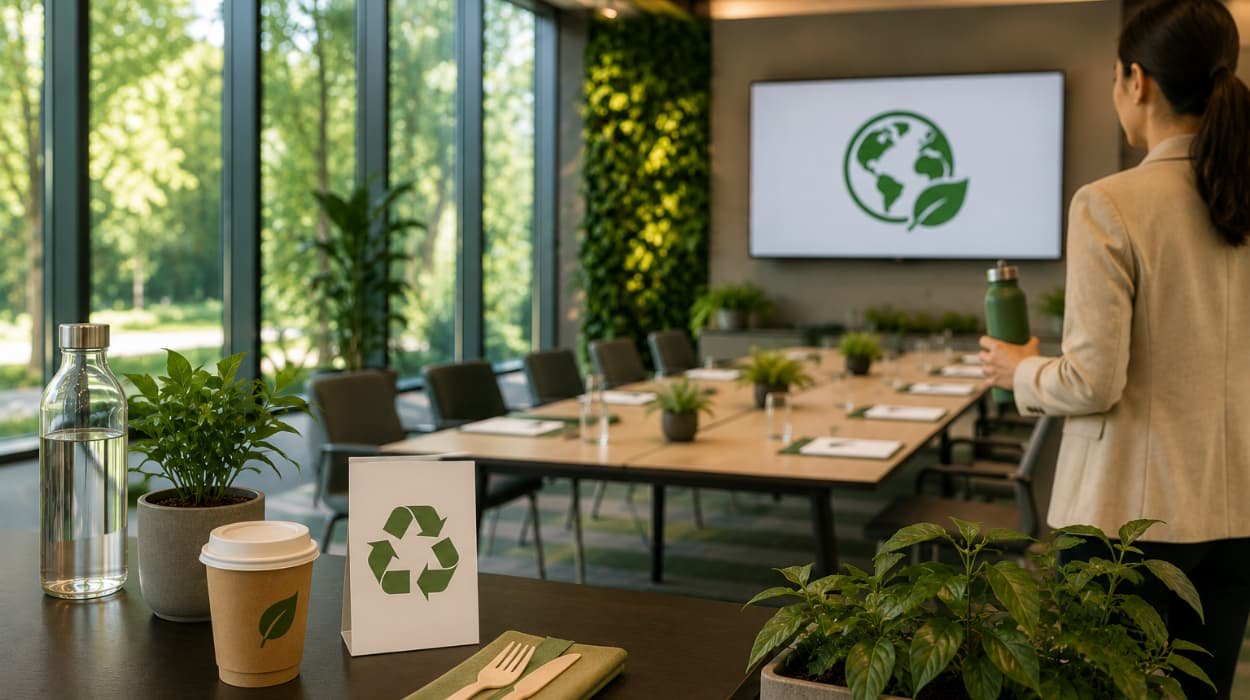
Cutting waste and emissions at corporate events requires auditing supply chains, eliminating single-use plastics, sourcing locally grown catering, partnering with certified green venues, and tracking energy usage through digital monitoring tools to ensure verifiable carbon reduction across all operational stages.
Sustainable corporate events demand strict operational planning. Event managers must audit every physical input. Vendors supply packaging materials that often end up in landfills. Organisers replace disposable items with reusable alternatives. Venues consume significant electricity for lighting and climate control. Green facilities utilize renewable energy sources. Reducing your carbon footprint involves systematic measurement.
How Do Scope 1 and Scope 2 Emissions Impact Event Venues?
Scope 1 emissions cover direct greenhouse gases from on-site generators and natural gas boilers, while Scope 2 emissions encompass indirect greenhouse gases generated by purchased electricity, heating, and cooling consumed during event operations.
Venue operators track direct fuel combustion on site. Facilities burn natural gas for space heating. Backup diesel generators release carbon dioxide directly. These combustion sources form Scope 1 footprints.
Electrical grids supply power for venue lighting. HVAC systems draw massive amounts of electricity. Utility companies burn fossil fuels to generate this power. Event organizers consume these indirect emissions during conferences. Tracking utility meters provides accurate consumption data.
Upgrading facility infrastructure lowers energy demand. Modern buildings install LED lighting arrays. Smart thermostats regulate indoor temperatures automatically. Property managers deploy solar panels on rooftop surfaces. These renewable installations eliminate Scope 2 emissions entirely.
Facility managers monitor energy efficiency metrics closely. They audit kilowatt-hour usage per attendee. Reducing baseline consumption shrinks utility bills. Sustainable venues publish annual emissions reports publicly. Event planners evaluate these utility reports before booking.
Professional gatherings require adequate infrastructure support. Selecting proper facilities ensures lower environmental impact. Booking modern spaces like a specialized reserve corporate conference rooms allows businesses to host events in energy-efficient buildings equipped with smart climate controls and LED lighting systems.
Why Is Sustainable Catering Essential for Emissions Reduction?
Sustainable catering eliminates carbon emissions by sourcing ingredients within a 50-mile radius, reducing livestock meat options by 40%, and composting organic food waste through commercial anaerobic digestion facilities instead of sending refuse to local landfills.
Food production drives massive agricultural emissions globally. Transporting ingredients across continents burns fossil fuels. Local sourcing cuts supply chain distances significantly. Kitchens purchase vegetables from regional farms daily.
Livestock farming generates high methane levels. Chefs design plant-forward menus for large gatherings. Plant-based meals require fewer natural resources. Catering teams calculate exact attendee headcounts precisely. Precise planning prevents excessive food preparation.
Unsold meals generate organic waste streams. Organic matter decomposes inside landfills releasing methane gas. Commercial kitchens divert food waste to composting facilities. Anaerobic digesters convert food scraps into renewable energy.
Packaging materials add unnecessary weight to refuse bins. Caterers serve food on ceramic plates. Beverage stations use glassware instead of plastic cups. Staff members collect discarded napkins for paper recycling. These operational changes eliminate single-use plastics completely.
How Can Digital Technology Replace Physical Event Waste?
Digital technology eliminates paper waste by replacing printed brochures, physical ticketing, and cardboard signage with secure mobile applications, electronic badge scanning, and cloud-based document sharing platforms.
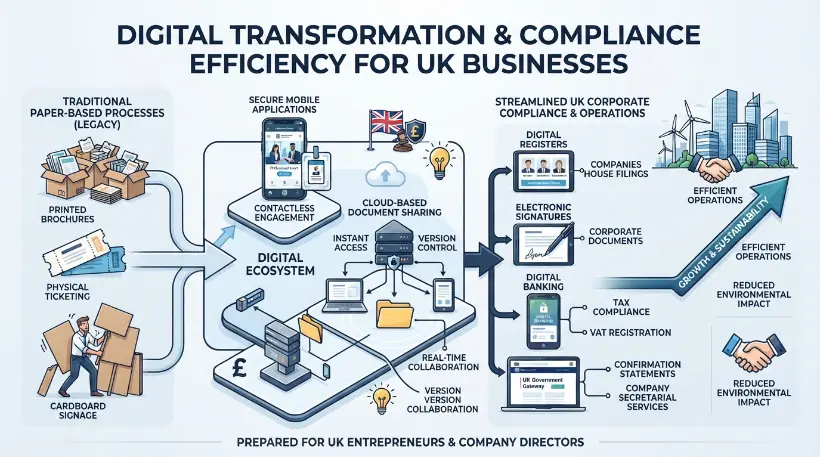
Traditional conferences consume thousands of paper brochures. Printing schedules requires heavy chemical usage. Event organizers adopt mobile application platforms instead. Attendees view itineraries on smartphones instantly.
Physical badges use laminated cardboard and plastic holders. Registration desks print name tags on demand. Digital QR codes replace paper tickets entirely. Staff members scan mobile screens at venue entrances.
Signage boards utilize foam-core materials traditionally. Planners transition to digital display monitors. Screens display daily schedules and room changes dynamically. Technicians update digital schedules remotely via cloud networks.
Document distribution shifts to online repositories. Presenters upload slide decks to shared drives. Attendees download presentations after panel sessions conclude. This digital workflow eliminates physical handout waste completely.
| Traditional Event Practice | Sustainable Digital Alternative | Carbon Reduction Impact |
| Printed paper brochures | Mobile event application | Saves 12 trees per 500 attendees |
| Plastic laminate name badges | Digital QR code check-in | Eliminates single-use PVC plastic |
| Foam-core directional signage | Wall-mounted LED display monitors | Prevents landfill accumulation |
| Physical speaker handouts | Cloud-based document repository | Reduces paper manufacturing emissions |
What Metrics Define a Truly Zero-Waste Corporate Gathering?
Zero-waste metrics measure landfill diversion rates exceeding 90%, total greenhouse gas emissions per attendee below 5 kilograms of CO2 equivalent, and water consumption reductions of at least 25% compared to industry baselines.
Auditing event sustainability requires precise mathematical tracking. Waste management teams weigh all discarded materials. Facilities calculate recycling percentages against total refuse weight. Achieving zero-waste status demands strict diversion thresholds.
Greenhouse gas accounting measures total carbon footprints. Organizers calculate venue energy usage accurately. Transportation emissions factor into total event scores. Freight shipping adds specific tonnage to calculations.
Water conservation metrics evaluate facility plumbing fixtures. Low-flow faucets reduce water consumption drastically. Smart irrigation systems water venue landscaping efficiently. Monitoring water meters prevents hidden plumbing leaks.
Independent auditors verify environmental performance data. Certifications validate genuine sustainability claims. Businesses utilize these verified reports for regulatory compliance. Transparent reporting builds trust with corporate stakeholders.
Organising sustainable events aligns with broader corporate governance strategies. Companies pursuing formal structuring benefits can review the How Does a Sustainable Meeting Reduce Your Carbon Footprint? guide to understand lifecycle assessments. Businesses ready to secure certified venues can explore the Want to Reserve Green Event Spaces via Form My Company? analysis for actionable booking workflows. Form My Company assists enterprises in implementing green operational standards efficiently.
Cutting waste and emissions at corporate events requires a systematic approach. Event planners must audit venue energy usage and supply chains. Transitioning to digital ticketing eliminates paper waste. Sourcing local catering reduces agricultural transport emissions. Partnering with certified facilities ensures measurable carbon reductions. Form My Company helps businesses integrate sustainable operational practices into every corporate gathering.
Explore our Conference Rooms guide,
Green Venue vs Standard Venue: What is the Real Difference?
Looking for Interview Room Features That Keep Candidate Data Safe?
Frequently Asked Questions
How much does it cost to rent a conference room through Form My Company?
Conference room rental rates vary based on location, capacity, and booking duration, typically ranging from affordable hourly fees to comprehensive daily packages. Form My Company provides transparent pricing models for professional meeting spaces without hidden administrative surcharges. Businesses can select flexible options that align directly with their operational budgets and scheduling requirements.
What amenities are included when booking a conference room?
Standard conference room bookings include high-speed Wi-Fi connectivity, presentation display screens, whiteboards, and ergonomic seating arrangements. Form My Company ensures that all available meeting facilities feature professional audio-visual equipment to support hybrid and in-person corporate presentations seamlessly. Additional catering and administrative support services can also be integrated upon request.
Can remote teams book a conference room for occasional collaborative sessions?
Remote teams and decentralized workforces can easily reserve professional conference rooms on an ad-hoc basis for strategic planning or client meetings. Form My Company offers flexible booking terms that accommodate one-off sessions as well as recurring weekly or monthly schedules. This on-demand access allows businesses to maintain a professional physical presence without committing to long-term commercial lease agreements.
How far in advance should a corporate conference room be reserved?
Reserving a conference room at least two weeks in advance guarantees availability during peak business hours and high-demand calendar periods. Form My Company recommends early booking for large-scale board meetings or multi-day workshops that require specialized room configurations. Last-minute reservations are also supported subject to real-time space availability within the selected facility.
Are conference rooms equipped for hybrid video conferencing?
Modern conference rooms feature integrated high-definition cameras, directional microphones, and enterprise-grade video conferencing software compatibility. Form My Company equips business spaces with reliable technology infrastructure to facilitate clear communication with remote participants. Technical support staff remain on-site to assist with setup and ensure uninterrupted digital connectivity throughout your meeting.