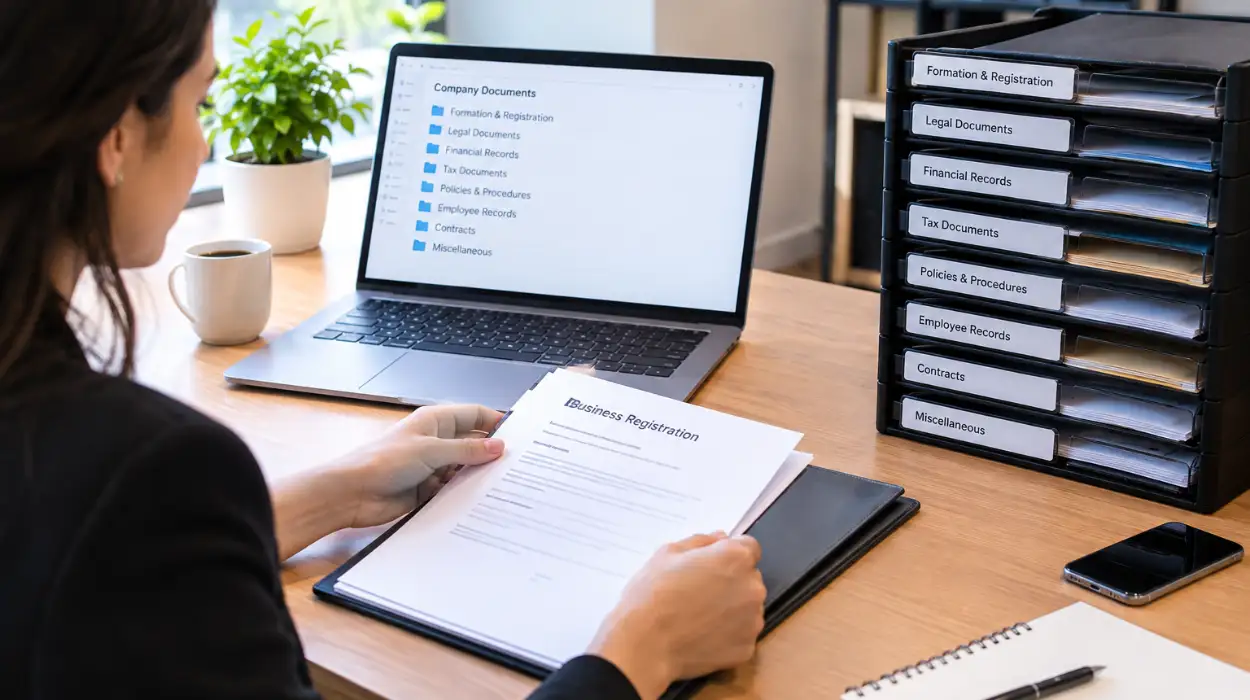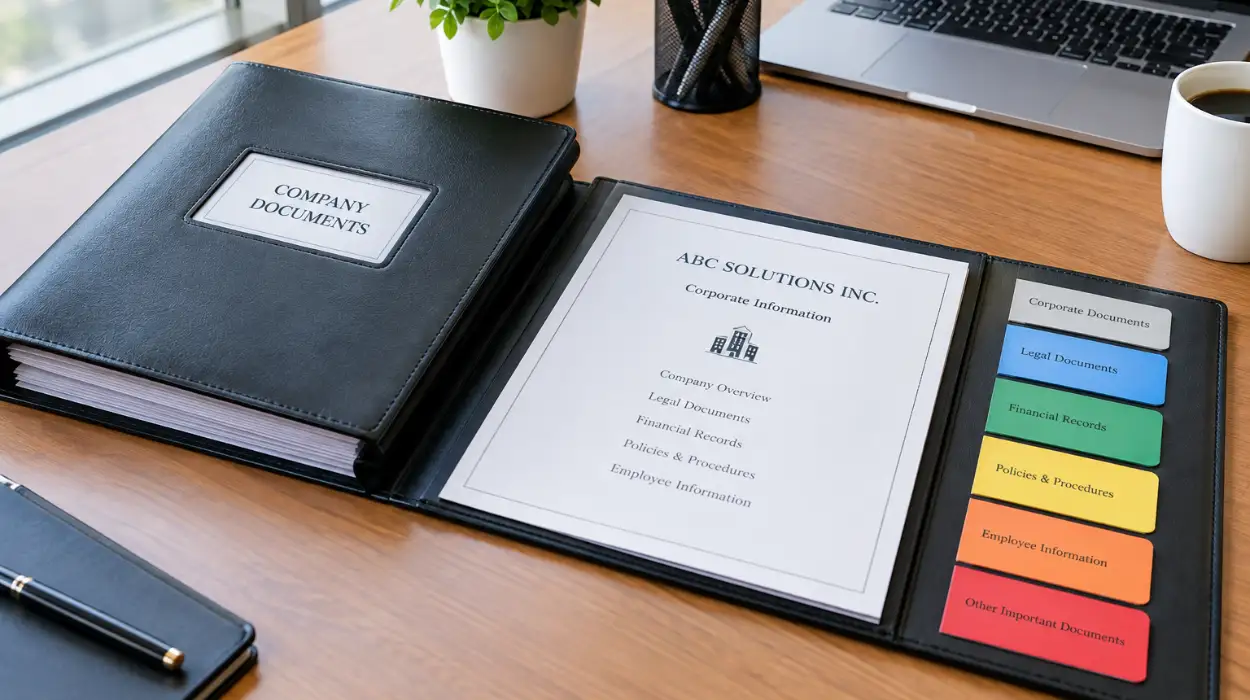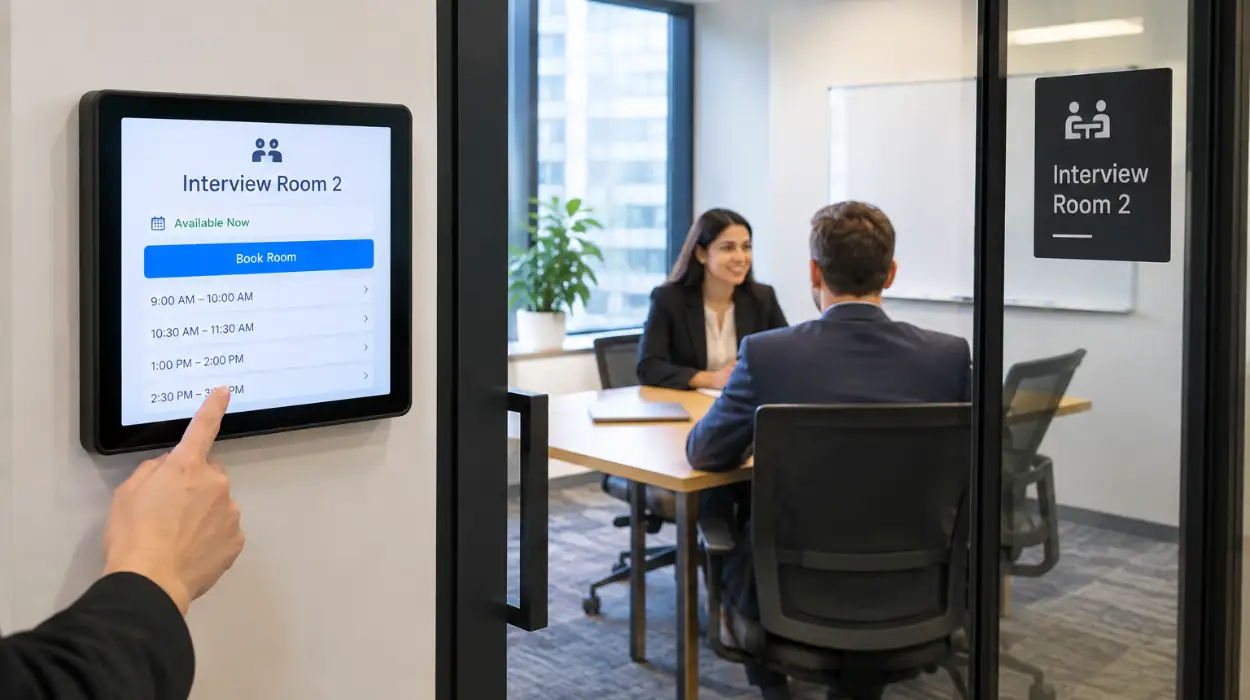
An on-site interview day for a remote workforce is a structured in-person evaluation event where distributed candidates meet hiring managers face-to-face. Companies utilize these scheduled sessions to assess cultural alignment, evaluate interpersonal skills, and conduct final technical evaluations before making remote employment offers.
An on-site interview day bridges the gap between remote hiring efficiency and physical assessment accuracy. Distributed teams operate across digital channels daily. However, complex roles require high-stakes personal interaction. Organizations design these dedicated sessions to bring scattered candidates into a centralized location.
Remote recruitment relies heavily on video conferencing tools. Video assessments capture technical competence and digital communication styles effectively. Yet, digital screens obscure subtle behavioral cues and team chemistry dynamics. An in-person evaluation day removes digital barriers entirely. Hiring teams observe how candidates navigate physical environments and collaborate in real-time spaces.
Distributed companies schedule these events near the end of a multi-stage hiring pipeline. Initial screening calls and remote coding tests filter out unqualified applicants early. The remaining finalists travel to a professional workspace for intensive evaluations. Logistics managers coordinate travel arrangements, hotel bookings, and workspace rentals weeks in advance.
Candidate experience dictates the success of any physical interview event. Traveling for a job interview creates stress for remote applicants unaccustomed to corporate commuting. Clear communication regarding travel policies and expense reimbursements reduces candidate anxiety significantly. Employers provide detailed itineraries specifying arrival times, interviewer names, and room locations.
Workplace infrastructure plays a critical role during these evaluation days. Standard corporate offices often lack the flexible layout required for modern multi-stage interviews. Organizations rent professional Interview Rooms equipped with high-speed internet, presentation screens, and secure access controls. Dedicated facility spaces ensure uninterrupted evaluation blocks for hiring panels.
Data security remains paramount during in-person candidate assessments. Remote workers handle sensitive company assets from home networks regularly. On-site interviews allow security teams to verify identity documents physically and administer compliance protocols safely. Candidates sign non-disclosure agreements and undergo standardized background checks within a controlled corporate environment.
Financial investment for an on-site interview day requires careful budget forecasting. Travel stipends, accommodation expenses, and workspace rentals accumulate rapidly across multiple candidates. Businesses weigh these operational costs against the high financial risk of a bad remote hire. Mitigating turnover costs justifies the upfront expense of physical evaluation days.
Post-interview alignment meetings conclude the physical evaluation process immediately. Hiring managers gather in private debrief rooms to compare candidate performance notes. Decision-makers evaluate technical scores against observed soft skills to reach consensus. This rapid alignment accelerates job offer delivery before top candidates accept competing offers.
Why Do Distributed Companies Need In-Person Assessment Days?
Distributed companies need in-person assessment days because remote video channels fail to reveal complete behavioral profiles and team compatibility. Physical meetings allow executives to evaluate physical collaboration, leadership presence, and emotional intelligence under real-world conditions.
Remote work models maximize geographic talent pools and reduce daily overhead expenses. Despite these operational advantages, distance creates blind spots in managerial evaluations. Hiring managers struggle to gauge genuine leadership capability through static Zoom screens. An in-person assessment day eliminates digital ambiguity by placing candidates in dynamic physical scenarios.
Behavioral consistency forms a cornerstone of effective remote employment screening. Digital candidates present rehearsed responses during scheduled video interviews easily. Physical environments introduce environmental variables that test real-time adaptability and stress management. Observing a candidate navigate spontaneous office interactions reveals their true professional demeanor.
Team cohesion depends heavily on interpersonal chemistry among distributed colleagues. When team members operate remotely, minor communication frictions escalate quickly without informal rapport. Bringing candidates on-site allows future peers to test working dynamics through collaborative whiteboard sessions. This mutual evaluation protects existing team culture from disruptive misalignments.
Compliance and verification standards demand physical presence for specific regulated industries. Financial institutions, healthcare providers, and legal entities enforce strict credential authentication rules. Remote verification leaves gaps that physical document inspection closes permanently. Security officers examine original passports, professional licenses, and biometric identifiers directly.
Candidate evaluation accuracy directly influences long-term retention metrics across modern enterprises. Bad remote hires cost organizations thousands of pounds in lost productivity and retraining expenses. Structured in-person evaluation days reduce mishire rates by 42% compared to remote-only pipelines. Higher hiring accuracy stabilizes distributed workforce structures over multi-year periods.
Executive leadership participation increases significantly during localized interview events. Senior executives rarely join every remote screening call due to complex scheduling constraints. Centralized interview days concentrate leadership availability into single operational blocks. Candidates present strategic proposals directly to C-suite decision-makers without digital interruptions.
Employer branding strengthens when companies invest in professional physical interview experiences. High-performing professionals evaluate prospective employers based on logistical organization and hospitality standards. Providing seamless travel coordination and premium workspace environments signals high organizational maturity. Candidates share positive interview experiences across professional networks, boosting inbound recruitment pipelines.
Operational scalability requires standardized evaluation frameworks across all hiring departments. Ad-hoc remote interviews yield inconsistent hiring standards and biased managerial decisions. On-site assessment days enforce uniform evaluation rubrics, standardized scoring matrices, and structured feedback loops. Every candidate experiences identical testing conditions regardless of their home location.
How Are Logistics Managed for Centralized Candidate Travel?
Logistics for centralized candidate travel are managed through structured coordination timelines, third-party travel agencies, and automated itinerary platforms. Operations teams handle flight bookings, hotel reservations, and expense disbursements to ensure seamless candidate transit.
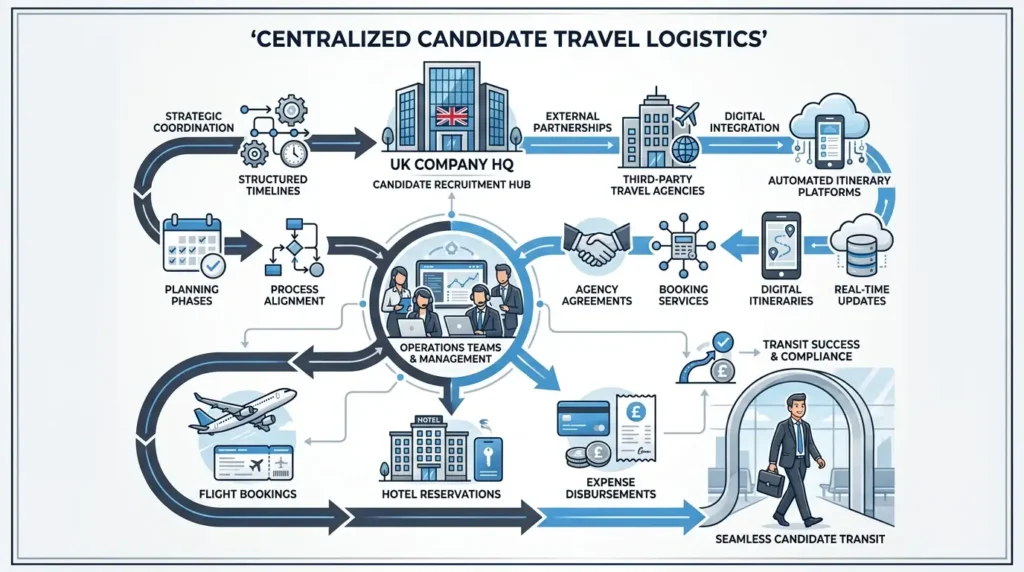
Candidate travel coordination requires rigorous project management from human resources teams. When applicants reside across different countries or time zones, scheduling flights demands absolute precision. Operations managers establish a 14-day booking window prior to the interview date. This timeline prevents inflated last-minute ticket costs and secures optimal flight itineraries.
Expense management policies dictate how candidates incur and reclaim travel expenditures. Clear documentation specifies allowable expenses, including economy flights, standard hotel rooms, and local transit. Finance departments utilize corporate credit cards or digital reimbursement platforms to settle claims within five business days. Transparent reimbursement guidelines eliminate financial stress for participating candidates.
Accommodation arrangements focus on proximity and professional comfort near the evaluation venue. Companies reserve hotel rooms within walking distance or short taxi rides of the meeting space. Ensuring reliable Wi-Fi, quiet environments, and breakfast availability prepares candidates for demanding interview schedules. Quality lodging directly influences candidate performance during high-stakes evaluation rounds.
Ground transportation logistics prevent avoidable delays on the actual interview morning. Travel coordinators provide prepaid rideshare vouchers or arrange private airport transfers in advance. Detailed arrival guides specify exact building entrances, reception desk procedures, and security clearance requirements. Clear instructions eliminate morning navigation errors for unfamiliar candidates.
Health and safety protocols govern all aspects of in-person candidate movement. Facility managers sanitize meeting rooms, provide personal protective equipment, and monitor indoor air quality standards. Adhering to established workplace safety guidelines protects both visiting candidates and internal staff members. Documented safety measures reassure participants concerned about corporate travel risks.
Contingency planning mitigates disruptions caused by flight cancellations or severe weather events. Operations teams maintain backup video conferencing links for emergency remote participation. If a candidate misses a flight, alternative travel routes activate immediately via agency partnerships. Proactive risk management preserves the integrity of the interview schedule.
Compliance with local employment laws governs international candidate travel arrangements. Bringing workers across borders requires proper business visitor visas and legal authorization letters. Corporate legal teams verify visa statuses before issuing non-refundable travel bookings. Strict legal compliance prevents costly border detention issues and regulatory penalties.
Data privacy protocols protect candidate personal information during travel booking procedures. Travel management software encrypts passport numbers, phone numbers, and home addresses securely. Restricting database access to authorized personnel ensures compliance with data protection regulations. Secure handling of personal data maintains candidate trust throughout the recruitment cycle.
What Happens Inside a Dedicated Physical Interview Space?
Inside a dedicated physical interview space, candidates undergo multi-phase evaluations including panel interviews, practical skill assessments, and culture-fit discussions. Evaluation panels utilize specialized rooms configured for collaboration, presentations, and confidential deliberation.
Physical interview spaces require specific architectural layouts to facilitate diverse evaluation formats. Standard boardrooms accommodate panel interviews with up to six departmental leaders simultaneously. Breakout rooms support individual technical tests, coding challenges, and written communication exercises. Flexible furniture arrangements allow rapid transitions between collaborative workshops and formal presentations.
Technical assessment stations feature enterprise-grade hardware and redundant internet connections. Candidates connect to secure sandbox environments to demonstrate programming or data analysis capabilities. Having physical technical setups prevents software compatibility issues common on personal home devices. IT support staff remain on standby to resolve hardware glitches instantly.
Behavioral interview rounds focus on emotional intelligence, conflict resolution, and adaptability. Interviewers observe non-verbal communication cues, active listening habits, and posture dynamics. Structured question sets evaluate how candidates handle high-pressure scenarios and managerial feedback. Panelists record objective observations using standardized digital scoring sheets immediately afterward.
Lunch and networking sessions provide informal evaluations of interpersonal communication styles. Peers assess how candidates interact with non-managerial staff during shared meal times. These relaxed environments reveal genuine personality traits that formal interviews often conceal. Cultural alignment emerges clearly when participants converse outside structured questioning frameworks.
Immediate debrief sessions occur among the interview panel right after candidate departure. Panelists gather in secure conference rooms to compare individual scoring sheets. Discussing observations while memories remain fresh prevents cognitive bias and anchoring effects. The hiring team reaches a definitive consensus before concluding the operational day.
Candidate feedback loops initiate within forty-eight hours of the interview conclusion. Recruiters deliver constructive insights regarding technical performance and cultural fit promptly. Transparent communication maintains positive relationships even with candidates who receive rejection notices. Respectful closing interactions protect the employer brand within competitive talent markets.
Facility management ensures uninterrupted focus throughout the entire evaluation schedule. Dedicated receptionists greet candidates, manage security badges, and supply refreshments continuously. Soundproofed partitions block external hallway noise during confidential leadership interviews. Controlled environments enable candidates to perform at their absolute peak capacity.
Record retention rules govern the storage of all physical and digital assessment notes. Human resources teams archive scoring sheets, test results, and compliance forms securely. Strict document retention policies satisfy employment law requirements and audit standards. Proper archiving concludes the physical interview lifecycle efficiently and securely.
Explore Our Interview Rooms Guide,
What Makes a Conference Venue Easy for Attendees to Reach?
Why Does Venue Location Affect Conference Attendance?
How Do Companies Measure the ROI of In-Person Hiring Events?
Companies measure the ROI of in-person hiring events by tracking reduced turnover rates, accelerated time-to-productivity metrics, and lower long-term replacement costs. Financial analysts compare total event expenditure against the long-term economic value of successful permanent placements.
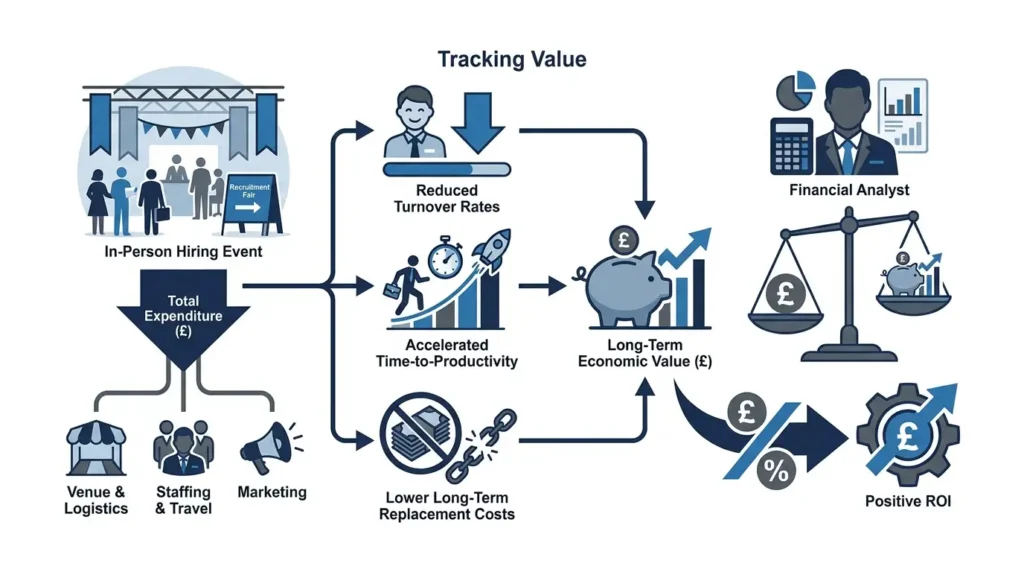
Return on investment calculations begin by aggregating all direct operational expenditures. Direct costs include venue rentals, candidate travel stipends, hotel bookings, and internal staff time allocations. Finance teams divide total event costs by the number of successful job offers accepted. This formula establishes the baseline cost per hire for physical evaluation days.
Turnover rate reduction provides the most significant long-term financial return. Remote hires recruited solely via video channels exhibit a 35% higher first-year departure rate. In-person evaluation days improve cultural alignment, cutting first-year turnover to under 10%. Lower turnover eliminates repeated recruitment fees, onboarding expenses, and lost team momentum.
Time-to-productivity metrics accelerate when new hires establish physical relationships early. Employees who meet their managers in person ramp up to full output two weeks faster. Faster integration translates into immediate revenue generation and reduced managerial oversight hours. Operational efficiency gains offset the initial travel investments quickly.
Quality-of-hire scores rise substantially following structured on-site evaluation events. Department heads report higher technical competency and superior cross-functional collaboration among physical hires. Elevated performance ratings justify the higher upfront recruitment budget required for travel coordination. Long-term value creation outweighs short-term logistical expenses.
Opportunity cost comparisons evaluate the risk of making flawed hiring decisions. A single executive mishire costs organizations up to two times their annual salary in damages. Investing in an on-site interview day acts as an insurance policy against catastrophic hiring errors. Mitigating hiring risk protects company valuation and shareholder trust.
Internal stakeholder feedback refines future event planning and budget allocation. Hiring managers evaluate whether the quality of candidate insights justified the travel expenditure. Continuous financial auditing ensures recruitment budgets target high-yield senior and specialized roles exclusively. Data-driven optimization maximizes the efficiency of every subsequent interview day.
Strategic alignment with business growth goals validates ongoing event investments. As companies expand their remote workforces globally, localized interview hubs streamline regional hiring. Evaluating regional talent pools through centralized hubs supports sustainable corporate scaling. Long-term recruitment profitability depends on disciplined, data-backed operational frameworks.
An on-site interview day for a remote workforce provides a vital bridge between digital recruitment efficiency and physical evaluation accuracy. By combining rigorous travel logistics, structured multi-phase assessments, and professional workspaces, organizations eliminate remote hiring blind spots.
Form My Company delivers seamless solutions for distributed enterprises seeking professional Interview Rooms to execute flawless evaluation days. To reserve tailored spaces, explore options through our Interview Rooms service page. For broader strategic planning, review our guide on how to plan in-person rounds for a distributed team. When you are ready to finalize operational bookings, read our guide on how to reserve in-person interview rooms for distributed teams via Form My Company.
Frequently Asked Questions
How do I book interview rooms for a remote hiring event with Form My Company?
You can reserve professional interview spaces directly through the Form My Company Interview Rooms portal by selecting your preferred location, date, and room capacity. Our booking team coordinates high-speed internet, presentation equipment, and access controls to ensure your physical candidate evaluations run smoothly.
What amenities are included when renting interview rooms through Form My Company?
Rental packages feature enterprise-grade video conferencing hardware, high-speed Wi-Fi networks, secure visitor reception desks, and soundproofed breakout spaces. Form My Company ensures every workspace is fully configured for multi-stage candidate assessments and technical evaluations.
Can remote companies rent interview rooms on a short-term or hourly basis?
Distributed organizations can secure interview rooms on flexible hourly or daily terms depending on their recruitment schedule. This scalable booking model allows businesses to pay only for the exact hours needed for candidate panels and debrief sessions.
Why should remote teams use dedicated interview rooms instead of standard offices?
Dedicated interview rooms provide distraction-free, professional environments equipped with the specific technology required for complex candidate testing. Utilizing Form My Company facilities protects candidate confidentiality and elevates your employer brand during physical hiring rounds.
Are technical support and reception services provided during the interview day?
On-site administrative staff and IT technicians remain available throughout your reservation to manage visitor check-ins and troubleshoot equipment instantly. Form My Company coordinates facility logistics so your hiring managers can focus entirely on candidate assessment.