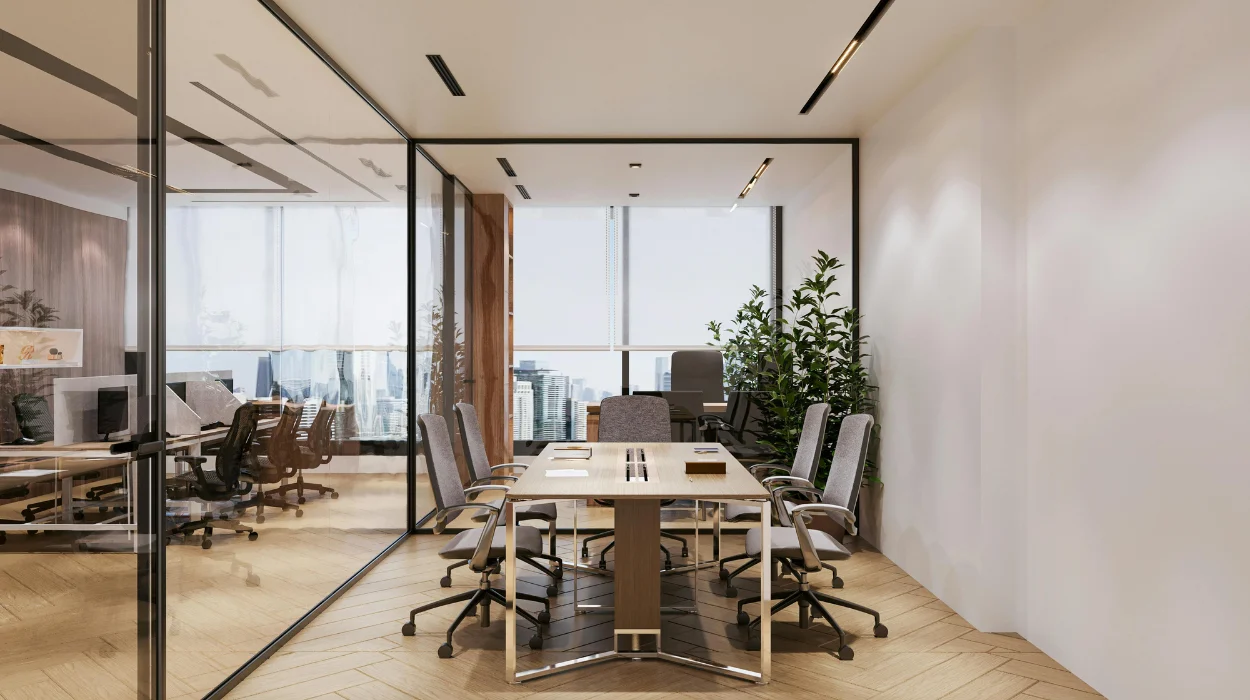
Natural light and ergonomic furniture improve learning outcomes by increasing focus, reducing fatigue, and supporting physical comfort. Studies show daylight boosts productivity by up to 15%, while ergonomic seating reduces musculoskeletal strain, enabling longer, more effective training sessions with higher retention rates.
How does natural light improve learning performance in training rooms?
Natural light enhances cognitive function, stabilises circadian rhythms, and reduces eye strain. Exposure to daylight increases alertness and information retention by up to 20%, while also lowering fatigue levels, which supports longer, more productive training sessions in structured learning environments.
Natural light directly affects how the brain processes information. When learners sit in well-lit spaces, their bodies regulate melatonin and cortisol more effectively. This balance improves attention span and reaction speed during structured sessions.
Research from workplace design studies shows that employees in daylight-rich environments report 51% fewer instances of eye strain. Reduced visual discomfort allows participants to maintain focus during extended presentations or technical workshops.
Window placement and light diffusion also matter. South-facing windows in the UK deliver consistent daylight levels throughout the day. Frosted glazing or blinds control glare without blocking brightness. This setup ensures that screen visibility remains stable during digital training.
Artificial lighting alone cannot replicate the spectral quality of sunlight. Full-spectrum daylight supports visual acuity and reduces flicker-related fatigue. Training environments that rely only on overhead LED panels often experience decreased engagement after 90 minutes.
Businesses that invest in purpose-built training rooms with optimised daylight design create measurable gains in learning efficiency. This improvement translates into faster onboarding cycles and higher skill acquisition rates.
Why is ergonomic furniture essential for modern training environments?
Ergonomic furniture supports posture, reduces physical strain, and improves concentration during training sessions. Adjustable chairs and desks lower the risk of back pain by 60%, enabling participants to remain comfortable and engaged during sessions lasting over two hours.
Ergonomics focuses on aligning furniture design with human anatomy. Chairs with lumbar support maintain spinal alignment. Adjustable seat height ensures that feet remain flat on the floor, which improves blood circulation during seated tasks.
Training sessions often extend beyond 90 minutes. Without proper support, participants shift positions frequently. This movement disrupts focus and reduces information retention. Ergonomic seating minimises these interruptions.
Desk height also plays a critical role. When desks sit at incorrect levels, users strain their shoulders and wrists. Adjustable desks eliminate this issue and support both laptop-based and written activities.
Three key ergonomic features improve training outcomes:
- Support natural spine curvature with contoured backrests
- Adjust seat height to align hips and knees at 90 degrees
- Position armrests to reduce shoulder tension
Training rooms designed with these principles reduce absenteeism linked to musculoskeletal discomfort. They also support inclusivity by accommodating different body types and accessibility needs.
What is the combined impact of light and ergonomics on productivity?
The combination of natural light and ergonomic furniture increases productivity by improving comfort and mental clarity. Studies show integrated design can boost task efficiency by 18% and reduce fatigue-related errors, resulting in more effective and consistent training outcomes.
When lighting and furniture work together, they create an environment that supports sustained attention. Natural light keeps participants alert, while ergonomic seating ensures physical stability. This dual effect reduces cognitive overload.
Training effectiveness depends on both mental and physical conditions. Poor lighting leads to visual fatigue. Poor seating leads to discomfort. When both issues exist, participants disengage faster and retain less information.
Integrated design also reduces error rates. In technical training, such as compliance or software instruction, even minor lapses in attention can lead to misunderstandings. A well-designed environment minimises these risks.
Temperature control and acoustics also interact with lighting and ergonomics. However, light and seating remain the primary drivers of comfort and focus. Businesses that optimise these two factors see measurable improvements in training ROI.
A well-designed training room setup ensures that participants remain engaged from start to finish. This consistency leads to better performance metrics and more reliable skill development.
How do modern training rooms incorporate these elements effectively?
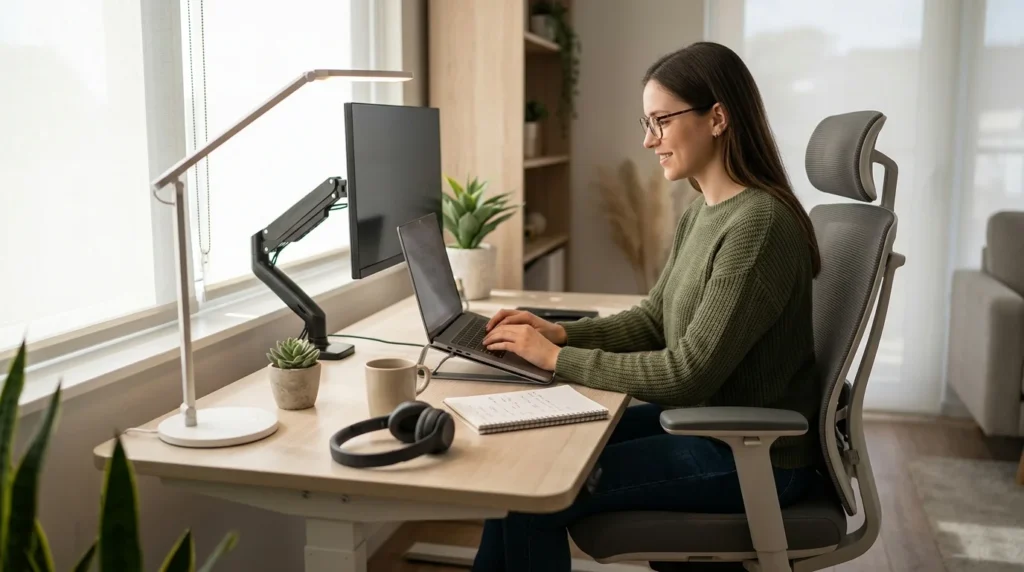
Modern training rooms integrate natural light and ergonomic furniture through strategic layout, adaptive seating, and controlled lighting systems. These environments use modular design and adjustable features to maintain comfort, reduce glare, and support diverse training formats.
Design begins with layout planning. Desks and chairs are positioned to maximise access to windows while avoiding direct glare on screens. This arrangement ensures consistent light distribution across all seating areas.
Modular furniture plays a key role. Folding tables, stackable chairs, and mobile desks allow quick reconfiguration. This flexibility supports different training formats, including workshops, seminars, and collaborative sessions.
Lighting systems complement natural light. Automated blinds adjust based on sunlight intensity. LED panels provide consistent illumination during low-light conditions, such as winter afternoons in the UK.
Acoustic panels and flooring materials reduce noise distractions. While not directly related to light or ergonomics, they enhance the overall effectiveness of the environment.
Businesses looking to optimise their spaces often explore professionally designed training rooms for corporate learning environments that integrate these elements into a cohesive system.
Explore our training rooms guides,
5 Key Benefits of Hosting Your Corporate Training in a Dedicated Space
How the Right Training Environment Can Significantly Improve Your Team Productivity Levels
What design features maximise comfort and engagement in training rooms?
Key design features include adjustable seating, glare-controlled lighting, and flexible layouts. These elements improve comfort, reduce distractions, and support active participation, leading to higher engagement and better knowledge retention during structured training sessions.
Comfort begins with seating flexibility. Chairs that swivel and adjust allow users to shift posture without losing focus. This movement supports circulation and reduces stiffness during long sessions.
Lighting control prevents visual fatigue. Anti-glare screens, diffused daylight, and adjustable blinds ensure that participants can view content clearly from any angle.
Room layout influences interaction. U-shaped or cluster seating arrangements encourage discussion and collaboration. These formats increase participation rates compared to traditional row seating.
Technology integration also matters. Screens positioned at eye level reduce neck strain. Wireless connectivity eliminates cable clutter, which improves mobility within the room. For deeper insights into layout strategies, explore flexible seating arrangements in training environments that enhance collaboration and adaptability.
How can businesses implement these features cost-effectively?
Businesses implement natural light and ergonomic design cost-effectively by prioritising high-impact upgrades such as adjustable chairs, desk positioning, and light optimisation. Incremental improvements deliver measurable gains without requiring full-scale renovation or significant capital investment.
Cost-effective implementation starts with assessment. Evaluate existing lighting conditions and furniture quality. Identify areas where small changes produce large improvements. Replacing standard chairs with ergonomic models delivers immediate benefits. This upgrade reduces discomfort and increases session duration without additional breaks.
Repositioning desks near windows maximises daylight use. This change requires no structural modification but significantly improves lighting quality.
Three practical steps improve training environments efficiently:
- Replace fixed chairs with adjustable ergonomic seating
- Reconfigure layouts to maximise natural light exposure
- Install blinds or diffusers to control glare
These actions improve comfort and productivity without large expenses. Over time, businesses can expand upgrades to include modular furniture and smart lighting systems. Decision-makers evaluating solutions often review cost-effective training room rental options for business meetings that already incorporate these features.
Natural light and ergonomic furniture form the foundation of effective training environments. They improve focus, reduce fatigue, and support consistent learning outcomes. Data shows measurable gains in productivity, retention, and participant satisfaction when these elements are properly integrated.
Well-designed Training Rooms combine lighting, seating, and layout into a unified system. This approach ensures that every session delivers maximum value. From My Company provides structured environments that align with these principles, enabling businesses to conduct efficient and comfortable training sessions without operational friction.
Frequently Asked Questions
What are training rooms used for?
Training rooms are dedicated spaces designed for workshops, onboarding sessions, skill development, and team meetings. From My Company’s Training Rooms provide the layout, technology, and environment needed for structured learning and collaborative business activities.
How much does it cost to hire a training room?
The cost to hire a training room varies by location, duration, and included facilities such as audio‑visual equipment and seating. Many businesses, including those using From My Company’s Training Rooms, choose hourly or block‑booking options to keep costs predictable and scalable.
Can you rent a training room for just a few hours?
Yes, many venues allow hourly rental of training rooms for short courses, workshops, or one‑off meetings. From My Company’s Training Rooms offer flexible hourly booking to support brief sessions without long‑term commitments.
What equipment is typically included in a training room?
A standard training room usually includes presentation technology, internet access, screens or projectors, and comfortable seating. From My Company’s Training Rooms maintain updated equipment so businesses can focus on content delivery without setting up hardware.
Are training rooms suitable for small businesses and startups?
Training rooms are well-suited for small businesses and startups that need professional spaces for team training, client workshops, and onboarding. From My Company’s Training Rooms provide scalable, well‑equipped environments that small teams can access without investing in a permanent facility.