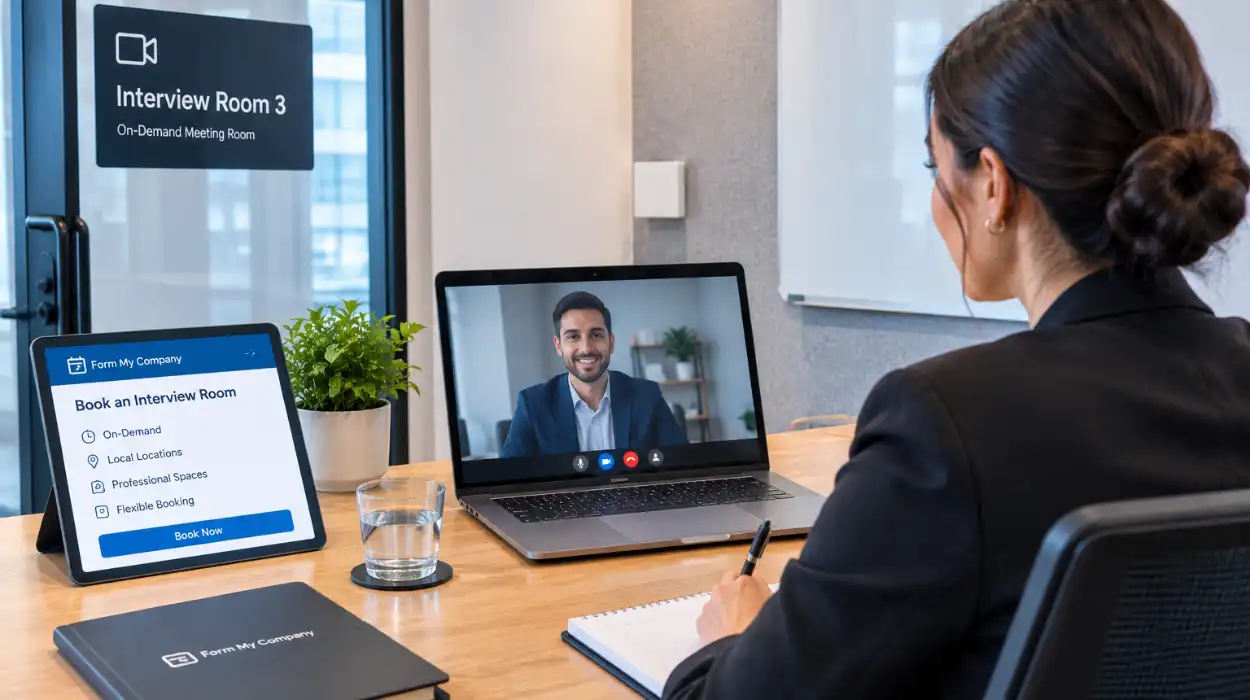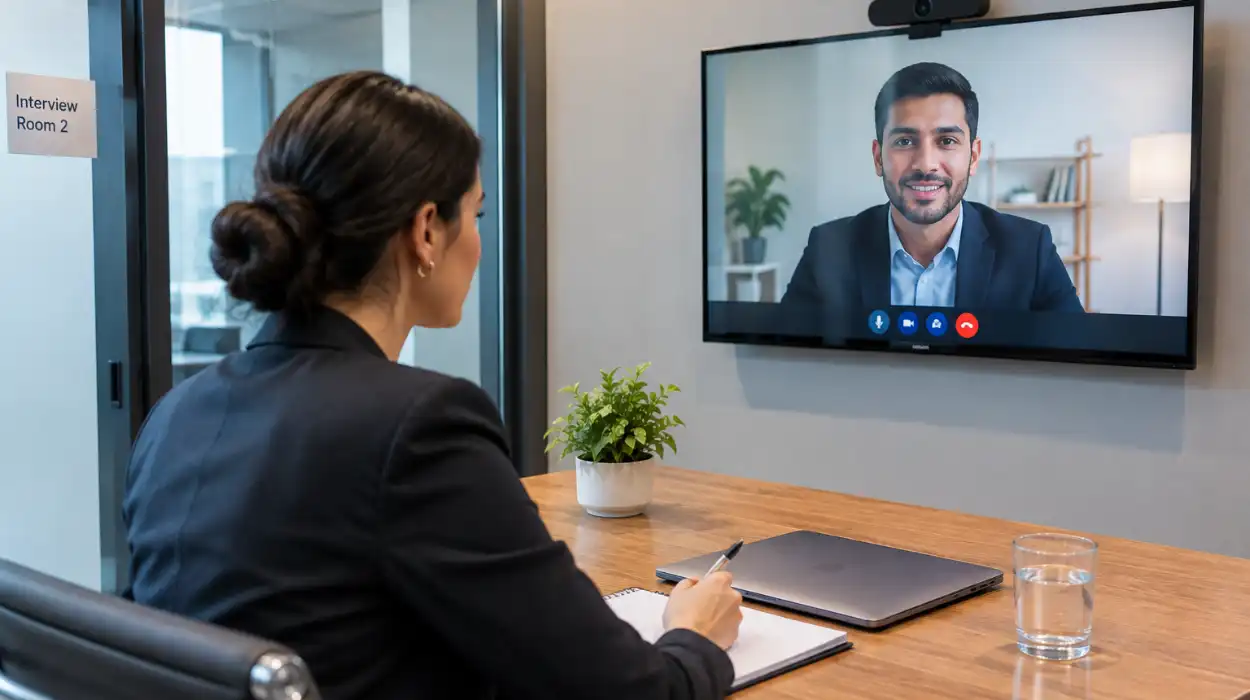
A successful virtual conference relies on a robust cloud-based event platform, high-definition audio-visual hardware, low-latency streaming protocols, interactive engagement tools, and enterprise-grade network infrastructure. Together, these technologies deliver stable video broadcasts, real-time audience participation, and seamless content delivery across global locations.
What Core Infrastructure Ensures Stable Virtual Conference Streaming?
Stable virtual conference streaming requires dedicated high-speed fibre internet, adaptive bitrate streaming protocols, content delivery networks, and enterprise routing hardware. These foundational components prevent bandwidth throttling, eliminate packet loss, minimize latency, and maintain uninterrupted high-definition video feeds for thousands of concurrent remote attendees.
Enterprise virtual events depend on resilient network architecture to distribute live media feeds without signal degradation. Content delivery networks cache video streams across geographically distributed edge servers, reducing distance-related latency for international participants. Adaptive bitrate streaming dynamically adjusts video quality based on individual attendee connection speeds, preventing buffering during traffic spikes.
Physical infrastructure forms the backbone of these digital event networks. Dual-WAN routers automatically balance data traffic and provide instant failover protection if a primary internet link fails. Unmanaged consumer connections frequently drop packets during heavy data uploads, which causes pixelation and audio desynchronization during keynote presentations.
Corporate venues deploy managed local area networks to isolate broadcast traffic from standard guest Wi-Fi usage. Network engineers assign dedicated quality of service rules to video distribution hardware, prioritizing live video packets over background software updates. This isolation guarantees stable transmission speeds exceeding 50 megabits per second upload capacity, which represents the baseline standard for uncompressed multi-camera streaming.
What Audio-Visual Hardware Delivers Professional Broadcast Quality?
Professional broadcast quality demands 4K PTZ cameras, digital signal processors, multi-channel audio mixers, and studio-grade directional microphones. This hardware configuration captures crisp visual details, isolates speaker voices, removes background acoustic noise, and encodes broadcast-ready signals for online conference platforms.
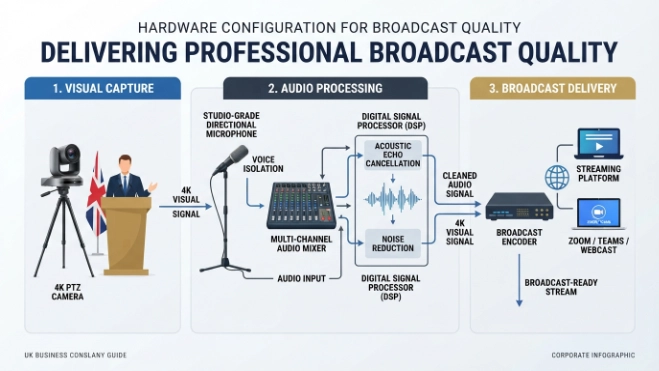
High-definition visual capture begins with professional camera optics rather than standard consumer webcams. Pan-tilt-zoom cameras equipped with large optical sensors capture accurate color depth and maintain focus in dynamic lighting conditions. Broadcast technicians control these units remotely to track speakers, alternate camera angles, and frame presentation materials with television-style precision.
Audio clarity directly dictates attendee retention rates during long virtual events. Digital signal processors convert analog vocal frequencies into clean digital signals while applying real-time acoustic echo cancellation. Directional lapel microphones and boundary mic arrays capture clear speech from presentation stages while filtering out room reverberation and ambient HVAC sounds.
Hardware video switchers process multiple video feeds, graphics layers, and presentation slides simultaneously. These dedicated units offload computational stress from streaming computers, preventing software crashes during complex transitions. Organizations rent equipped Conference Rooms to access pre-configured hardware stacks that maintain broadcast standards without requiring permanent capital investments.
How Do Cloud Platforms Manage Large-Scale Virtual Attendees?
Cloud platforms manage large-scale virtual audiences through containerized microservices, scalable database clusters, automated load balancing, and real-time authentication protocols. These cloud systems dynamically allocate server capacity as attendee numbers fluctuate, ensuring consistent access to live stages, breakout sessions, and chat functions.
Modern virtual event architecture relies on distributed cloud environments to host thousands of simultaneous user sessions. Load balancers distribute incoming network traffic across multiple application servers, preventing server overloads during peak check-in times. Microservices architecture isolates separate event functions, ensuring a spike in live chat activity does not impact core video playback performance.
Identity and access management systems validate ticket credentials in milliseconds using secure single sign-on frameworks. Automated registration databases sync attendee permissions instantly, directing participants to their designated breakout tracks or VIP keynotes. Real-time encryption protocols protect user identity data and presentation files as information moves between local browsers and cloud storage hubs.
Cloud platforms collect granular telemetry data throughout the event lifecycle. Network engineers monitor packet loss rates, platform latency, and session drop-offs through centralized operational dashboards. Real-time platform monitoring allows technical support teams to resolve regional routing issues before video buffering affects end-user presentation streams.
Which Interactive Tools Maximize Audience Engagement During Virtual Events?
Interactive virtual conference technology includes real-time polling engines, live Q&A moderation modules, virtual networking lounges, and integrated gamification systems. These digital tools transform passive video viewers into active participants, driving measurable audience engagement and increasing session completion rates.
Live polling engines submit participant feedback directly to speaker dashboards within milliseconds. Presenters display audience responses instantly on screen, adjusting presentation topics to match audience interests. Interactive Q&A modules allow attendees to upvote peer questions, organizing incoming queries logically for session moderators.
Digital networking spaces replicate physical hallway interactions through peer-to-peer video rooms and algorithmic matchmaking tools. Virtual event software pairs participants based on shared industry focus, job titles, or specific interests identified during event registration. Spatial audio technology in virtual lounges enables natural small-group conversations without audio overlap.
Gamification modules award points to attendees for visiting virtual sponsor booths, asking questions, and completing session surveys. Event organizers evaluate these interactions using built-in analytics dashboards. Reviewing strategic insights on Choosing the Right AV Partner for Your Hybrid Conference clarifies how hybrid engagement tools bridge participation gaps between physical stage audiences and remote online viewers.
What Security Protocols Safeguard Proprietary Virtual Conference Data?
Virtual conference security relies on end-to-end data encryption, multi-factor user authentication, dynamic digital watermarking, and secure access tokens. These defensive technical measures protect confidential corporate presentations, prevent unauthorized stream access, and maintain strict data privacy compliance across all digital broadcast channels.
Data encryption protocols protect live media feeds and chat logs while in transit across public internet routes. Advanced Encryption Standard 256-bit encryption scrambles video data at the source encoder, rendering stream files unreadable to unauthorized third parties attempting packet interception. Secure Real-time Transport Protocol maintains stream integrity across global streaming nodes.
Access control measures prevent unauthorized participants from entering high-profile corporate broadcasts. Digital event platforms issue unique tokenized entry links tied specifically to validated attendee email addresses. Single-use access tokens automatically expire if shared across multiple devices, preventing credential leaks on public message boards.
Proprietary content protection uses forensic watermarking technology to embed invisible attendee identifiers into video streams. If a user captures unauthorized screen recordings, embedded trackable metadata identifies the leak source instantly. Corporate planners who Book Live-Streaming Conference Rooms Through Form My Company secure controlled physical environments equipped with enterprise security standards for sensitive internal broadcasts.
What Backup Systems Prevent Technical Failures During Live Broadcasts?
Technical backup systems require redundant power supplies, secondary internet connections, dual encoding hardware, and automated stream failover software. These overlapping safeguards immediately activate if primary broadcast components fail, maintaining uninterrupted event streams without loss of audio or video synchronization.
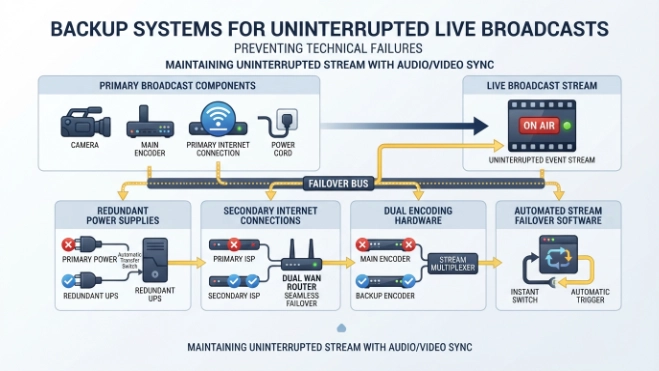
Redundancy architecture operates on the principle of eliminating single points of failure across the entire signal chain. Uninterruptible power supply units isolate broadcast hardware from sudden grid voltage drops, supplying emergency battery power during physical facility outages. On-site power generators provide sustained electricity during extended utility disruptions.
Dual hardware encoders process live audio and video signals simultaneously over isolated network routes. Primary and secondary streaming encoders transmit identical data packets to independent content delivery nodes. If the primary internet service provider drops connectivity, cloud video platforms automatically switch to the secondary ingest stream within three milliseconds.
Production teams maintain hot-swappable hardware components on site during major keynote presentations. Spare broadcast cameras, microphone transmitters, and capture cards sit pre-configured on standby racks for immediate swapping. Rapid physical switching protocols ensure minor component glitches do not interrupt the master presentation timeline.
How Does Hybrid Conference Technology Bridge Physical and Digital Spaces?
Hybrid conference technology bridges venues through synchronized audio systems, bi-directional video walls, integrated presentation software, and unified event platforms. These combined systems connect physical stage presenters with remote online audiences, delivering identical content visibility, clear interaction, and shared engagement opportunities.
Bi-directional video routing displays remote attendees directly onto large LED walls inside the physical venue stage. Stage presenters interact naturally with virtual participants appearing on stage monitors, establishing direct eye contact through strategically aligned camera lenses. Spatial audio speakers scatter audience responses inside the physical hall, making remote questions feel present to local attendees.
Unified presentation software synchronizes slide transitions simultaneously across physical venue projectors and online attendee screens. Low-latency streaming protocols ensure remote viewers experience zero visual delay compared to local hall participants. Integrated event platforms unite local and remote chat streams into a single moderated feed.
Form My Company coordinates physical infrastructure and digital broadcasting systems for corporate event organizers. Modern conference facilities integrate high-speed processing hardware, certified acoustic isolation, and dedicated streaming technicians to deliver flawless corporate broadcasts. Aligning professional physical venues with resilient cloud delivery technology guarantees high-quality virtual conference execution across all global participant touchpoints.
Explore our Conference Rooms guide,
The Legal Definition of Significant Accounting Transactions for Your Dormant Business Entity
The Role of Proper Training Room Facilities in Enhancing Professional Workshop Engagement
Frequently Asked Questions
What AV equipment and technology are included in Form My Company conference rooms?
Form My Company conference rooms feature enterprise-grade audio-visual technology, including dual 4K UHD presentation displays, auto-tracking PTZ cameras, beamforming ceiling microphones, and universal USB-C docking stations. Every room includes superfast fibre internet with high-speed Wi-Fi, custom plug-and-play connectivity, and native cross-platform support for Zoom, Microsoft Teams, and Google Meet.
How do I reserve a hybrid-ready conference room through Form My Company?
You can reserve hybrid-ready conference rooms by accessing the online portal at Form My Company, choosing your target city, selecting the required room capacity, and confirming availability in real time. The booking platform provides customizable, transparent pricing packages on an hourly, half-day, or full-day rental basis.
What seating layouts and delegate capacities are available for conference room rentals?
Form My Company conference rooms accommodate various group sizes ranging from executive boardrooms for 10 attendees up to collaborative theatre and presentation setups for up to 30 delegates. Spaces can be configured into boardroom, U-shape, classroom, or collaborative roundtable layouts to match your specific corporate event requirements.
Does Form My Company provide on-site administrative and technical support during meetings?
Yes, Form My Company offers dedicated on-site receptionists to welcome your guests and full IT support staff to monitor your audio-visual configuration throughout your reservation. On-site technicians assist with pre-meeting hardware checks, video platform connections, and troubleshooting to ensure an uninterrupted presentation.
Are catering services and refreshment facilities available with Form My Company conference room hire?
Form My Company conference room packages include complimentary access to fresh tea, coffee, and water stations for all meeting delegates. Organizers can also request custom corporate catering packages, full-service lunch menu arrangements, and dedicated breakout lounge spaces during the online reservation process.