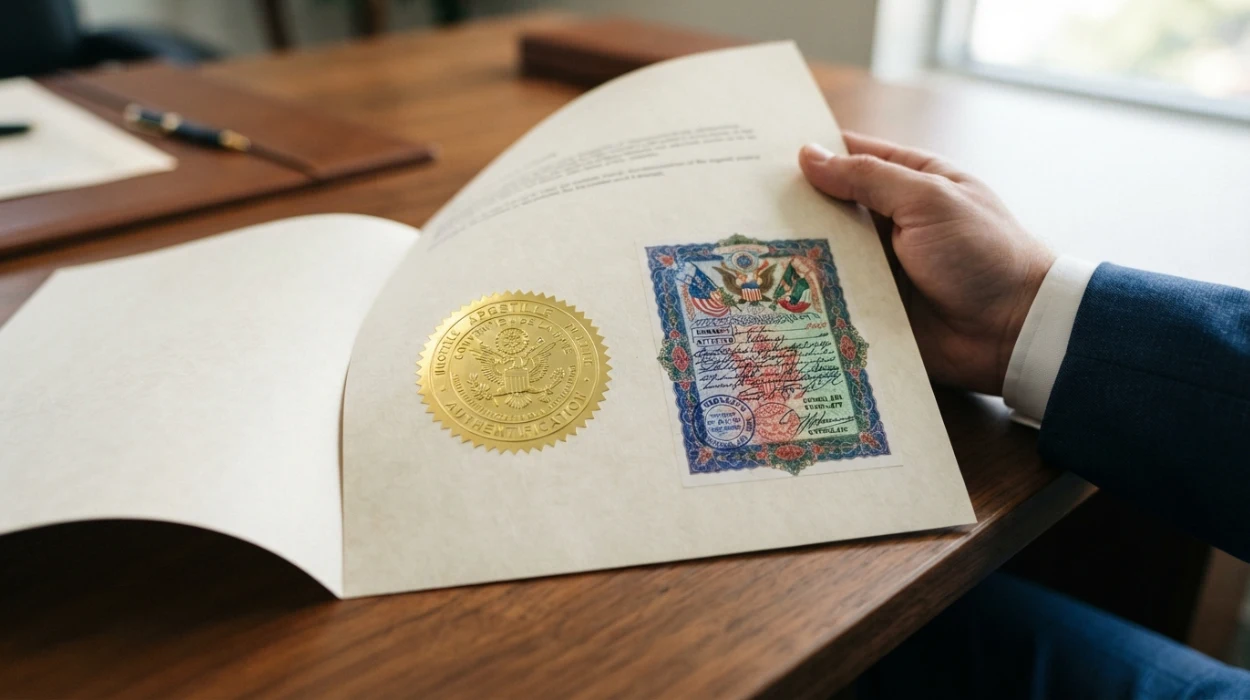
No, digital company documents are rarely sufficient on their own because high-value institutions like high-street commercial banks and institutional venture capital investors routinely require physical, wet-ink authenticated certificates, official corporate registers, and certified paper copies to satisfy rigorous anti-money laundering and compliance standards.
Digital document transformation has accelerated across the United Kingdom economy. Modern limited companies store certificates of incorporation, memorandum of association, and articles of association within cloud-based storage repositories. Founders access digital files instantly from laptops and smartphones. Convenience drives cloud adoption across startups and scale-ups alike. Traditional financial institutions and institutional investors maintain distinct operational protocols. Strict regulatory frameworks mandate physical verification of corporate legitimacy. Financial compliance officers operate under strict legal mandates to prevent corporate fraud. Digital PDF files remain vulnerable to sophisticated digital tampering and unauthorized metadata alterations. High-street banks demand immutable proof of corporate existence before opening active business bank accounts. Venture capital firms require verifiable paper trails during rigorous pre-investment due diligence phases. Relying exclusively on digital files creates severe operational bottlenecks during critical funding rounds. Corporate leadership teams must understand institutional verification standards to secure external capital efficiently.
Why Do UK Banks Still Demand Physical Verification for Corporate Accounts?
UK high-street banks demand physical company documents because standard digital PDFs lack verifiable wet-ink signatures, embossed seals, and secure holographic authentication features required by strict anti-money laundering regulations.
Commercial banks face heavy financial penalties for onboarding fraudulent corporate entities. Compliance officers execute rigorous Know Your Business protocols for every new applicant. Digital certificates downloaded from corporate registries often lack physical security markers. Bank underwriters inspect original physical documents to confirm absolute corporate authenticity. Financial institutions verify four core physical elements: embossed company seals, wet-ink signatures from authorized company registrars, secure registry stamps, and original paper stock weight. Digital scans fail to prove physical possession of original corporate ledgers. Banks mitigate financial crime risks by inspecting physical paperwork inside secure branch environments. Regulatory authorities audit bank onboarding procedures continuously. Accepting unverified digital PDFs exposes commercial lenders to severe regulatory censures. Maintaining physical corporate files satisfies all statutory banking prerequisites effortlessly.
How Do Venture Capital Investors Evaluate Company Document Authenticity?
Venture capital investors evaluate company document authenticity by auditing historical share registers, original incorporation records, and physical resolution minutes during comprehensive legal due diligence processes.
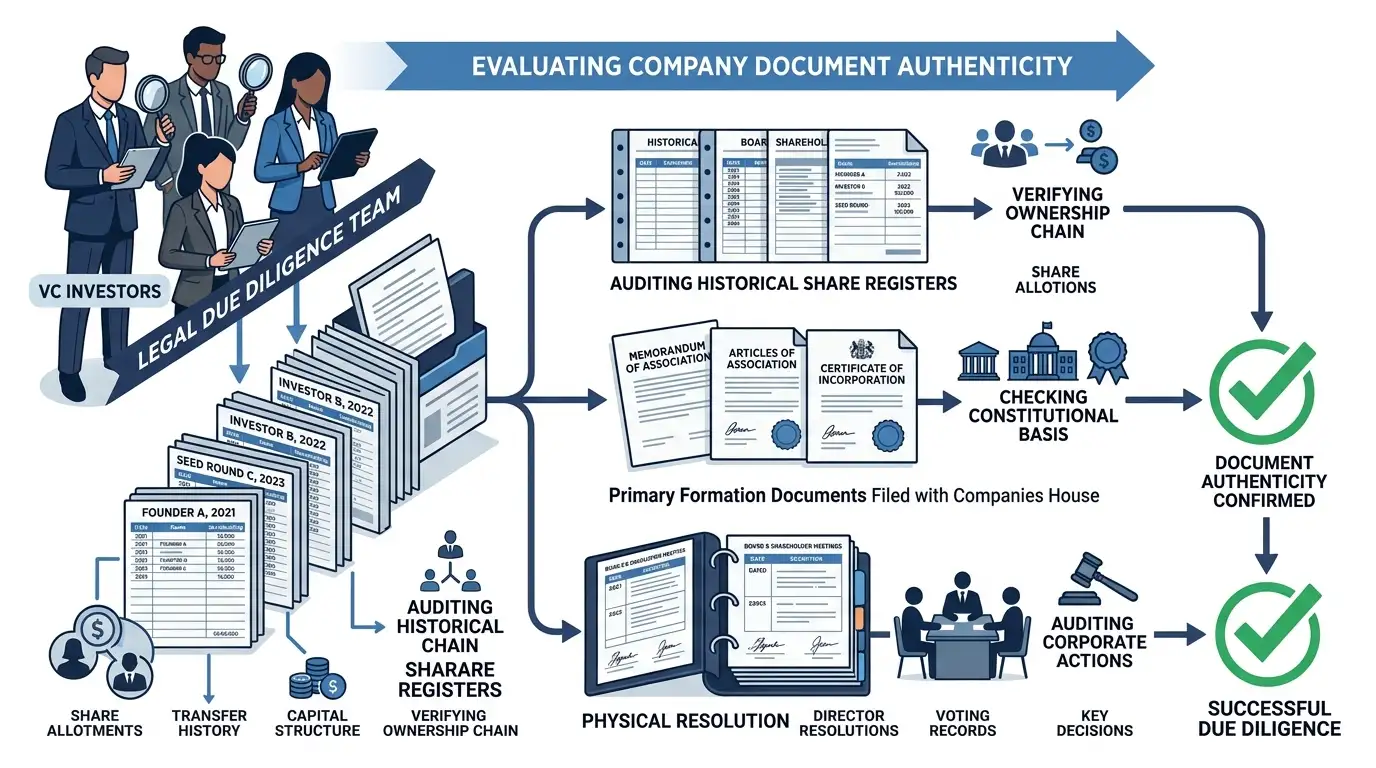
Institutional investors deploy specialized legal counsel to examine every aspect of a target enterprise. Legal teams trace the complete ownership history from the initial incorporation date onward. Digital document repositories often conceal unauthorized share transfers or missing historical filings. Investors request physical inspection of statutory registers to eliminate hidden ownership liabilities. Founders streamline institutional fundraising rounds by maintaining organized physical files alongside cloud backups. Venture capital partners review original incorporation documents to verify authorized share capital structures. Legal auditors cross-reference physical registry filings against digital Companies House data feeds. Discrepancies between physical records and digital databases halt investment negotiations immediately. Robust document governance builds instant credibility with sophisticated financial backers. Securing capital requires absolute transparency across every corporate governance metric.
What Are the Key Risks of Relying Solely on Cloud Storage for Corporate Records?
Relying solely on cloud storage for corporate records exposes businesses to permanent data loss, unauthorized access breaches, malicious file corruption, and instant rejection from institutional compliance auditors.
Cloud storage providers experience occasional server outages, cyber attacks, and permanent data deletion incidents. Companies lose critical governance assets when digital backups fail unexpectedly. Unauthorized users exploit weak cloud security credentials to alter sensitive corporate resolution histories. Institutional auditors reject unauthenticated digital files immediately during high-stakes corporate acquisitions. Business operations stall completely when leadership teams cannot produce verified paper records upon demand. Regulatory bodies issue financial penalties when companies fail to maintain statutory registers in designated physical formats. Mitigating these operational hazards requires implementing a hybrid document management strategy. Combining secure cloud repositories with physical document binders ensures complete business continuity. Enterprise resilience depends on redundant document preservation across dual storage mediums.
How Can Businesses Secure Comprehensive Compliance Across All Institutional Channels?
Businesses secure comprehensive compliance across all institutional channels by organizing physical corporate binders, maintaining verified digital backups, and utilizing professional document management frameworks.
Corporate governance demands meticulous attention to detail across every administrative workflow. Company directors must establish standardized protocols for storing physical and digital assets. Professional corporate service providers deliver structured solutions for managing complex compliance portfolios. Utilizing a structured Company Pack ensures absolute readiness for banking applications and investor audits. Form My Company supplies verified physical binders and digital duplicates to satisfy every institutional requirement. Integrating professional administrative support eliminates costly compliance errors during critical growth phases. Founders focus entirely on core business expansion while expert administrators manage statutory document organization. Transitioning from disorganized file storage to professional governance protects corporate longevity. Establishing rigorous document protocols positions enterprises for seamless commercial banking and successful investment funding.
Digital company documents offer unmatched accessibility for daily administrative tasks, but traditional financial institutions and institutional investors demand rigorous physical verification standards. Maintaining both secure digital repositories and authenticated physical files protects businesses against compliance failures, banking delays, and stalled investment rounds. Form My Company delivers comprehensive physical and digital solutions through the specialized Company Pack, helping entrepreneurs navigate regulatory requirements effortlessly. Review your current document storage strategy today to ensure seamless corporate readiness by exploring our guide on How to Safely Store Your Original Company Documents?, or take the next step toward complete institutional compliance by deciding Want to Buy the All-In Company Pack With Form My Company?.
Explore our Company Pack guide,
What Makes a Conference Venue Easy for Attendees to Reach?
Why Does Venue Location Affect Conference Attendance?
Frequently Asked Questions
What is included in a standard Company Pack for UK businesses?
A comprehensive Company Pack typically includes bound physical copies of the memorandum and articles of association, a shared certificate template, a statutory register, and official incorporation certificates. When ordering through Form My Company, businesses receive both professionally bound physical documentation and secure digital backups designed to satisfy strict banking compliance standards.
Why do high-street banks reject digital-only corporate documents?
Commercial banks enforce rigorous anti-money laundering and Know Your Business regulations that frequently necessitate physical verification of original paperwork. Digital PDFs lack tactile security features like wet-ink signatures, embossed corporate seals, and secure paper weight verification required by bank compliance officers.
Are digital company documents legally valid in the United Kingdom?
Digital company documents registered through Companies House carry full legal validity for online filings, digital tax submissions, and general commercial operations. External financial institutions and venture capital investors still mandate physical, authenticated paper records during comprehensive legal due diligence and corporate auditing phases.
How do venture capital investors authenticate company incorporation records?
Institutional investors and legal counsel cross-reference historical share registers, original incorporation certificates, and physical resolution minutes during pre-investment due diligence. Form My Company assists founders in maintaining meticulous physical and digital document trails to eliminate ownership discrepancies and accelerate funding rounds.
How can a business owner securely store physical and digital corporate records?
Business owners secure corporate governance assets by combining encrypted cloud repositories with fireproof physical storage binders for statutory registers and certificates. Utilizing specialized administrative services from Form My Company ensures that all corporate documents remain organized, compliant, and instantly accessible for institutional audits.