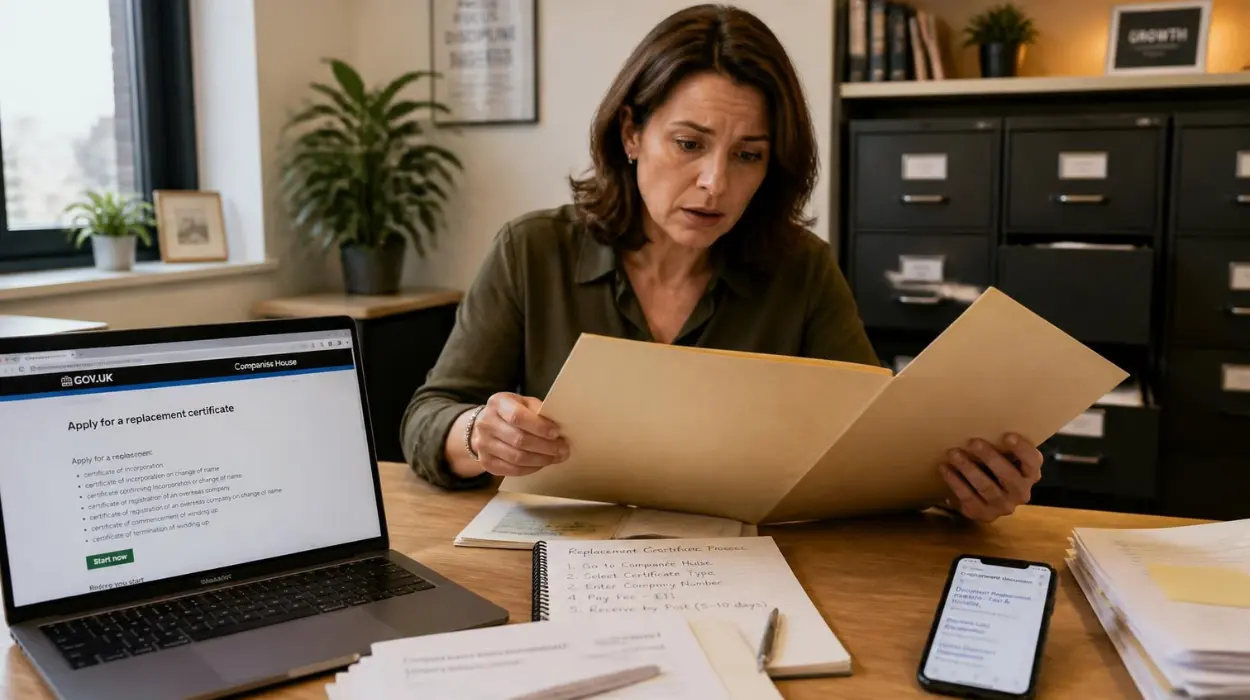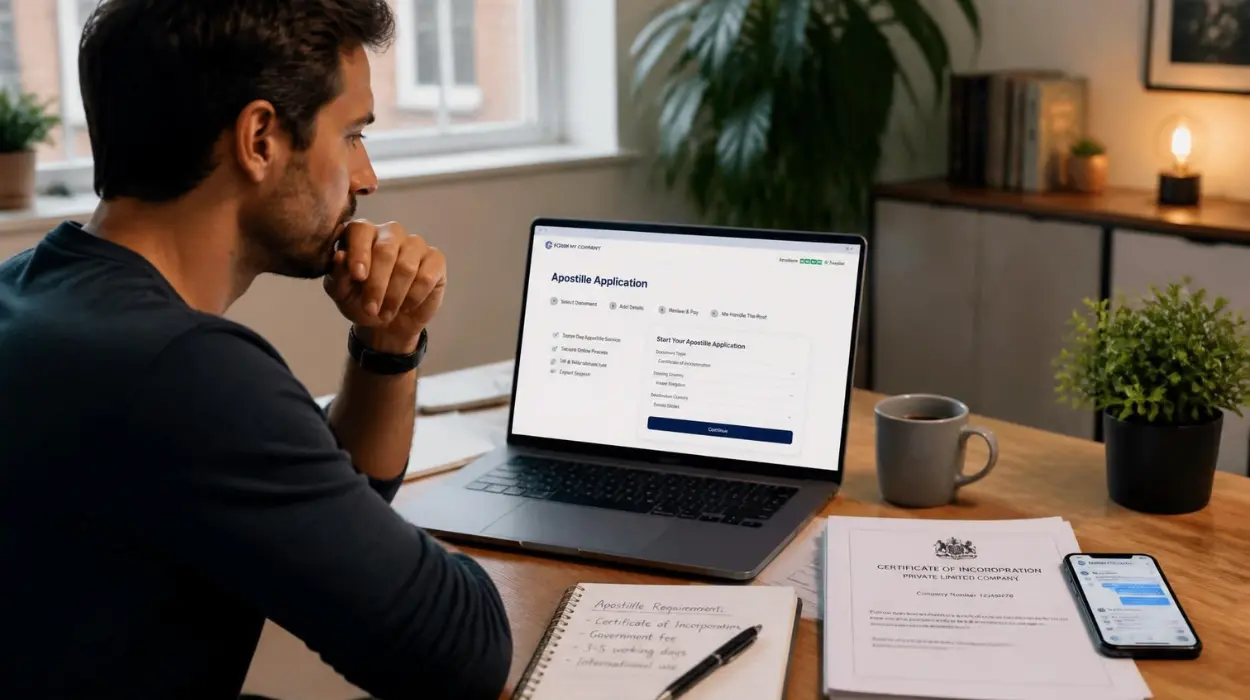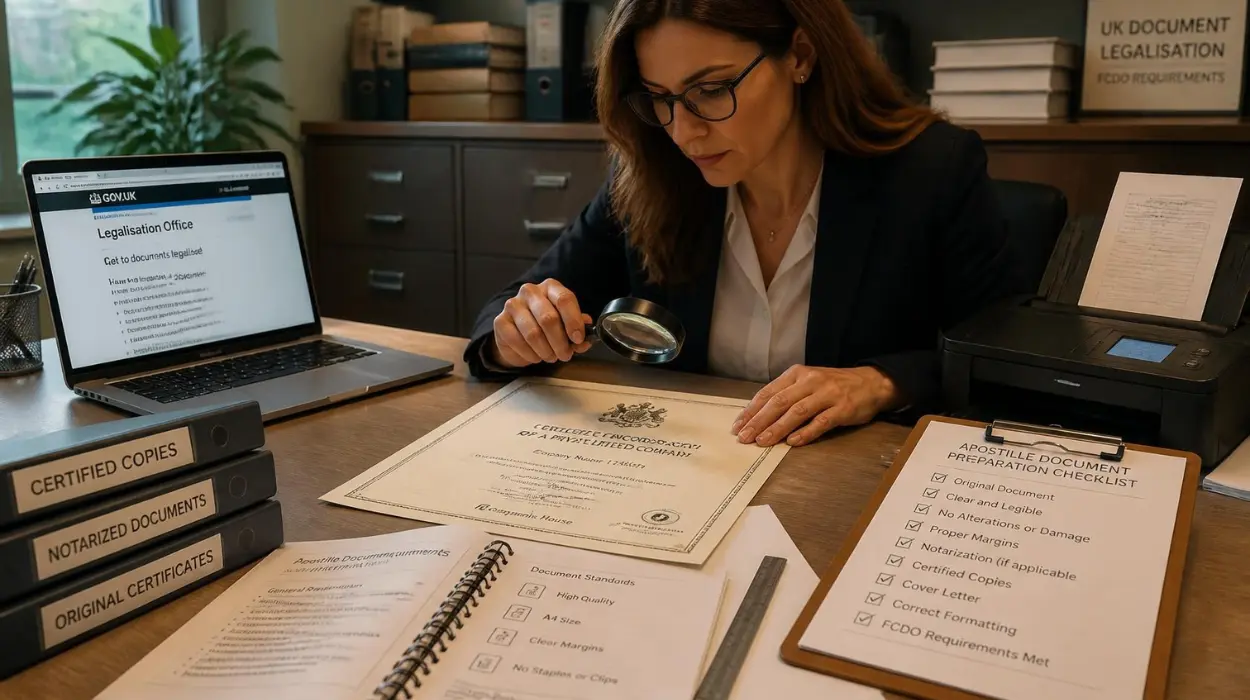
Preparing your document correctly for the apostille process requires ensuring that your official paperwork features a valid signature, stamp, or seal from a recognised UK public official, notary public, or solicitor before submitting it to the Foreign, Commonwealth & Development Office.
What Is the Exact Purpose of an Apostille?
An apostille certifies the authenticity of a signature, seal, or stamp on an official document so that foreign authorities recognise its legal validity under the 1961 Hague Convention framework.
International business transactions and cross-border legal proceedings demand verifiable documentation. Foreign authorities require absolute proof that a document originates from a legitimate legal source. Official certification bridges the gap between different national legal systems. Public institutions refuse unverified foreign paperwork to prevent identity fraud and commercial misrepresentation.
Which Types of Documents Require Legalisation?
Corporate documents, educational certificates, and personal vital records require legalisation when businesses expand operations internationally or individuals relocate across foreign jurisdictions.
Company directors frequently submit incorporation certificates, memoranda of association, and board resolutions to open foreign bank branches. Academic institutions present degrees and transcripts to verify professional qualifications abroad. Personal documents like birth certificates, marriage certificates, and criminal record checks require authentication for visa applications and international residency filings. Each document category follows specific verification protocols defined by international law.
How Do You Verify Document Eligibility Before Submission?
Verifying document eligibility involves confirming that the paperwork bears an original wet-ink signature, a damp seal, or an official registration number from a registered UK authority.
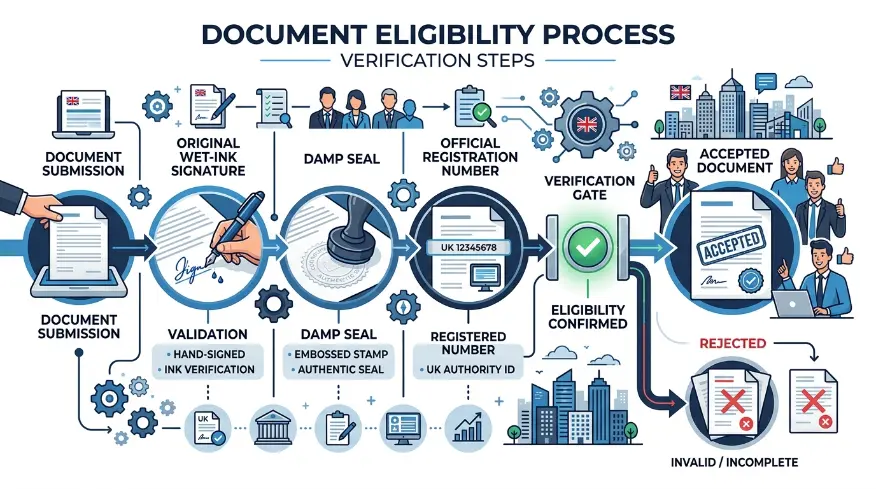
Government departments reject photocopies, scanned prints, and laminated certificates immediately. Public officials examine the physical state of the paper to detect alterations or damage. Signatures must match official specimen records held by government registries. Companies often utilise Apostilled Documents to streamline this initial validation stage. Solicitors check every page to guarantee complete structural integrity before legalisation commences.
Why Must a UK Solicitor or Notary Certify Documents First?
A UK solicitor or notary public must certify documents first because the Foreign, Commonwealth & Development Office only legalises paperwork bearing registered official signatures.
Public officials cannot authenticate unverified private agreements or uncertified copies. Legal professionals examine original certificates, witness the signing process, and apply their official seal. This solicitor certification creates the necessary legal chain of custody. Government bodies rely on these registered signatures to establish immediate trust in foreign jurisdictions.
| Document Type | Primary Verification Requirement | Certified By |
| Corporate Certificates | Original company seal and director signature | UK Solicitor or Notary |
| Academic Degrees | Registrar signature and institutional stamp | Issuing University or Solicitor |
| Personal Records | Registrar-issued stamp and signature | General Register Office or Solicitor |
What Steps Define the Official Submission Process?
The official submission process involves completing the application form, paying government fees, enclosing original certified documents, and dispatching the complete physical package to the legalisation office.
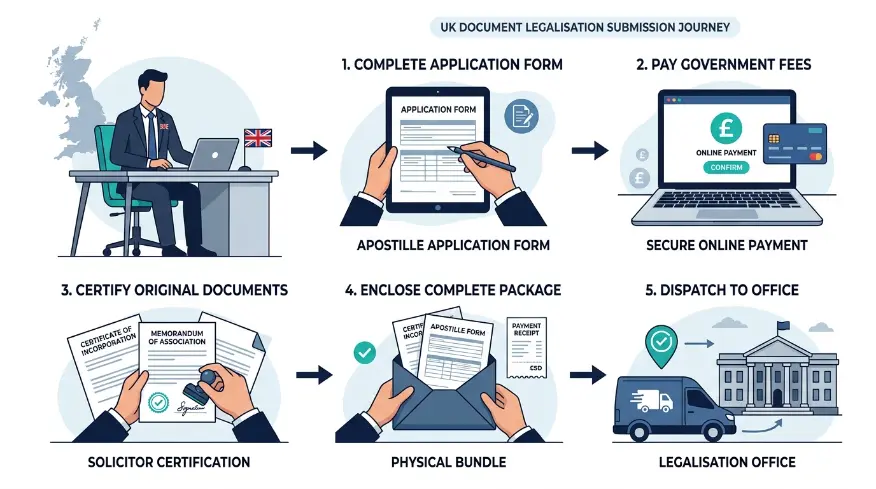
Applicants select standard postal service or premium counter submission based on processing urgency. Government processors review the application details against submitted paperwork to confirm fee matching. Officials affix the physical apostille certificate directly to the verified document using a secure foil or stamp. Completed files return via tracked courier service to the designated corporate address.
How Does Form My Company Assist with Document Legalisation?
Form My Company manages the entire document legalisation lifecycle by coordinating solicitor certifications, verifying compliance standards, and submitting paperwork directly to government authorities.
Navigating bureaucratic requirements demands precision to avoid costly application rejections. Businesses utilise the How Does the UK Apostille Process Work Step by Step? guide to understand every procedural milestone. Corporate clients preparing for international expansion explore the Thinking to Start Your Apostille Application Easily With Form My Company? service overview to initiate their filings. Form My Company ensures every corporate filing meets strict international legal standards without administrative delay.
Explore our Apostilled Documents guide,
How to Choose Which Corporate Documents Need Legalisation First?
How to Plan a Carbon-Conscious Conference Step by Step?
Frequently Asked Questions
What documents can be legalised with an apostille through Form My Company?
Form My Company processes a wide variety of paperwork for international use, including corporate certificates of incorporation, academic degrees, and personal vital records like birth certificates. Each document type must feature a valid wet-ink signature or official seal from a recognised UK public official before submission.
How long does the apostille process take for UK corporate documents?
Standard UK apostille processing through the Foreign, Commonwealth & Development Office typically takes a few working days, excluding courier delivery times. Form My Company ensures your corporate documents are properly certified by a solicitor beforehand to prevent any administrative delays or application rejections.
Why do foreign authorities require an apostille on UK documents?
Foreign institutions demand an apostille under the 1961 Hague Convention framework to verify the authenticity of signatures, stamps, and seals on official paperwork. This legalisation process eliminates the need for further consular legalisation and establishes instant trust across international jurisdictions.
Can photocopies of certificates be submitted for an apostille?
Government authorities strictly reject photocopies, scanned prints, and uncertified documents during the apostille legalisation procedure. Form My Company assists clients in obtaining certified true copies from a UK solicitor so the paperwork meets all official government submission standards.
Do I need a solicitor certification before requesting apostilled documents?
Many private documents, such as power of attorney forms or company resolutions, require a UK solicitor or notary public certification before the government can issue an apostille. Form My Company coordinates this initial legal verification step to guarantee your paperwork complies with all international legal frameworks.